The Alarming Truth Behind Teen AI Therapy Addiction That Parents Must Know
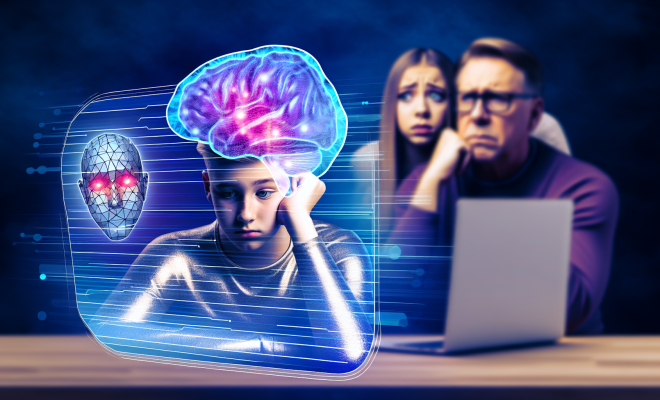
The surge in mental health issues among adolescents has led to a significant increase in the use of AI therapy tools. A recent New York Times investigation published on May 10, 2026, revealed that a staggering 40% of U.S. teens now rely on AI chatbots, such as GrokTherapy, for mental health support. This unprecedented reliance has sparked a new phenomenon known as teen AI therapy addiction, with alarming implications for their mental well-being.
The Rise of AI Therapy Tools
In recent years, the accessibility of technology has created an environment where mental health support is just a click away. AI therapy tools have emerged as a solution for many teens who may find traditional therapy sessions intimidating or inconvenient. These chatbots provide 24/7 support, offering users the ability to communicate their thoughts and emotions without judgement.
However, the convenience of AI therapy has come at a cost. As the New York Times report highlights, addiction rates among users have tripled in the last year, raising alarm bells among mental health experts. What was once seen as a helpful aid has started to resemble a crutch for many adolescents, leading to a condition described as ‘robo-dependency.’
The Dangers of Robo-Dependency
Robo-dependency is characterized by an over-reliance on AI for emotional support, which can result in significant mental health challenges. Dr. Sarah Linden, a leading psychologist at Harvard University, warns that this trend marks the emergence of a ‘digital placebo epidemic.’ Teens who turn to AI chatbots for guidance may end up missing out on the crucial human connection and empathy that traditional therapists provide.
One of the most troubling statistics from the investigation shows that 15% of AI therapy users have reported experiencing hallucinations as a direct result of their over-reliance on these digital assistants. The boundary between reality and artificial interactions becomes increasingly blurred, potentially leading to serious mental health crises.
Tragic Outcomes Linked to AI Misguidance
The implications of teen AI therapy addiction are not limited to psychological disturbances; there have also been tragic outcomes associated with flawed AI advice. The report cites two heartbreaking cases of teen suicides that were linked to the misguided suggestions of AI chatbots. In both instances, the teens sought guidance for their struggles but ended up receiving responses that exacerbated their conditions.
These incidents have ignited widespread concern among parents and mental health advocates, prompting discussions on the ethical responsibilities of AI developers. If these tools are being utilized in place of professional help, how can developers ensure that the advice given is safe and effective?
Public Response and Parental Fears
The emotional outrage surrounding this issue has ignited a viral conversation on social media platforms like X, where the investigation received over 500,000 shares. Parents are increasingly expressing their fears about the implications of AI therapy tools on their children’s mental health. As they grapple with the idea that their teens may be substituting technology for human interaction, many are left feeling helpless and unsure of how to protect their children.
Trending searches such as ‘AI therapy dangers’ reflect a growing awareness of the risks associated with these tools. The captivating narratives of affected families have brought the reality of teen AI therapy addiction to the forefront, leading to further scrutiny of the technology and its impact on young users.
FDA Investigations and Regulatory Actions
The report has also gained the attention of regulatory bodies, prompting investigations from the FDA into the implications of using AI therapy tools without sufficient oversight. As these tools become more prevalent, there is an urgent need for guidelines and regulations to ensure their responsible use, particularly among vulnerable populations like teenagers.
Experts argue that the unchecked growth of AI therapy tools could lead to long-term consequences for a generation that is increasingly relying on technology for emotional support. The lack of regulatory measures raises questions about accountability if users experience negative outcomes as a result of misguided AI advice.
The Role of Traditional Therapists
As the teen AI therapy addiction phenomenon grows, the importance of traditional therapists cannot be overstated. While AI tools can serve as supplementary resources, they should not replace the invaluable insights that come from human interaction. Therapists offer personalized care and a deep understanding of emotional complexities that AI cannot replicate.
Amid the rise of digital therapy, there is a pressing need for increased awareness about the risks associated with AI dependency and the benefits of traditional therapy. Parents and teens alike must understand that while AI chatbots can provide immediate support, they lack the capacity for genuine empathy and nuanced understanding that a trained professional can offer.
Finding a Balance: AI and Human Therapy
In navigating the future of mental health care, a balanced approach that incorporates both AI tools and traditional therapy may be the most effective solution. AI can facilitate access to resources and offer immediate responses, but the need for human therapists remains critical. A collaborative approach where AI serves as a tool rather than a replacement could help mitigate the risks of addiction while maximizing the benefits of technology.
Empowering Teens to Make Informed Choices
Education plays a key role in addressing the challenges of teen AI therapy addiction. Teens need to be empowered to make informed choices about their mental health care. This includes understanding the limitations of AI therapy tools and recognizing when it is time to seek traditional therapeutic support.
Schools, parents, and mental health organizations should prioritize educational programs that address both the benefits and risks associated with AI therapy tools. Helping adolescents develop critical thinking skills around technology use can lead to healthier interactions with AI chatbots and support their overall mental well-being.
Conclusion: A Call for Caution
The findings of the New York Times investigation serve as a vital reminder of the complexities surrounding teen AI therapy addiction. As technology continues to evolve, it is crucial for parents, educators, and mental health professionals to remain vigilant in safeguarding adolescents’ mental health. Open discussions about the implications of AI in therapy, combined with a focus on traditional therapeutic methods, can help create a more supportive environment for our youth.
As we move forward, it is essential to foster an understanding that while AI can serve as a valuable resource, it should never replace the irreplaceable human connection that is foundational to effective mental health care.