Paris Fashion Week S/S 2027: Sustainable Fashion Takes Center Stage
Introduction: A New Era in Fashion
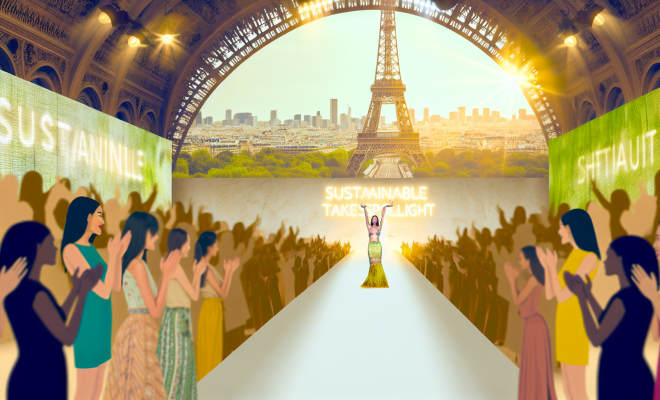
Paris Fashion Week has long been synonymous with luxury and innovation, and the recently concluded Spring/Summer 2027 event has set a new benchmark in the industry. With a pronounced focus on eco-friendly and sustainable materials, this year’s showcase marked a pivotal shift in the luxury fashion narrative. Leading brands, including iconic names like Chanel and Dior, along with emerging designers, unveiled collections that not only highlighted aesthetic appeal but also underscored the importance of environmental responsibility.
A Significant Shift in Material Usage
One of the most striking statistics emerging from this season’s event is that an impressive 67% of collections featured sustainable materials. This is a notable increase from just 42% last year, indicating a substantial transformation in the approach to high fashion. Designers are increasingly utilizing lab-grown fabrics, recycled ocean plastics, and innovative alternatives to traditional leather, showcasing their commitment to sustainability.
Lab-Grown Fabrics: The Future of Fashion
Among the standout trends at Paris Fashion Week was the rise of lab-grown fabrics. These materials, engineered to mimic the properties of natural fibers, offer a promising solution to the environmental issues posed by conventional textile production. Designers showcased garments made from these advanced materials, demonstrating that sustainability does not compromise style or luxury.
Recycled Ocean Plastics: Fashion with a Purpose
Another notable highlight was the use of recycled ocean plastics, a material that has gained traction in recent years. Designers like Stella McCartney prominently featured pieces made from this eco-conscious fabric, which not only reduces waste but also raises awareness about the critical issue of ocean pollution. The integration of such materials into high fashion collections signals a growing commitment to addressing global environmental challenges.
Innovative Plant-Based Leathers
In addition to lab-grown fabrics and recycled plastics, the use of plant-based leather alternatives was prevalent on the runway. Brands are increasingly opting for materials derived from sources like pineapples, apples, and mushrooms, offering sustainable options that do not rely on animal products. This shift reflects a broader trend towards cruelty-free fashion, appealing to a more conscientious consumer base.
Consumer Demand Drives Change
The transformation witnessed at Paris Fashion Week is not merely a trend but a response to evolving consumer preferences. Today’s luxury shoppers are more informed and passionate about sustainability, viewing eco-friendly practices as a non-negotiable standard rather than a niche offering. Industry analysts note that consumers are increasingly demanding transparency from brands regarding their sourcing and production methods.
The Role of Emerging Designers
While established luxury houses continue to lead the charge, emerging designers are playing a crucial role in pushing the boundaries of sustainable fashion. Their innovative approaches and willingness to experiment with unconventional materials are reshaping the fashion landscape. These new voices are not only bringing fresh ideas but also emphasizing the importance of sustainability in their design philosophies, resonating with a younger, eco-conscious audience.
Industry Response and Future Outlook
The response from industry experts has been overwhelmingly positive, with many anticipating that this trend will continue to gain momentum in the coming seasons. As sustainability becomes a central tenet of luxury fashion, brands that fail to adapt may find themselves left behind. The shift towards eco-friendly materials is no longer seen as a mere marketing strategy but rather a fundamental component of a brand’s identity.
Commitment to Sustainability
Fashion houses are increasingly investing in research and development to explore new sustainable materials and practices. This commitment extends beyond the runway, influencing production processes and supply chains. The industry is beginning to recognize that sustainability is not just about the end product but encompasses every aspect of fashion—from sourcing raw materials to manufacturing and distribution.
Conclusion: A Bright Future for Sustainable Fashion
As Paris Fashion Week Spring/Summer 2027 comes to a close, the emphasis on sustainable materials has set a crucial precedent for future collections. The integration of lab-grown fabrics, recycled ocean plastics, and plant-based leathers into high fashion symbolizes a collective movement towards a more responsible and eco-conscious industry. With consumers demanding greater accountability from brands, the fashion world is poised for a transformation that prioritizes both style and sustainability.
In this new era, luxury fashion is not just about creating beautiful garments; it is about cultivating a culture of responsibility and innovation. As we look ahead, it is clear that sustainability will continue to shape the narrative of the fashion industry, leading to a more conscientious and stylish future.