Unexpected Geomagnetic Storms Hit Earth in June 2026
“`html
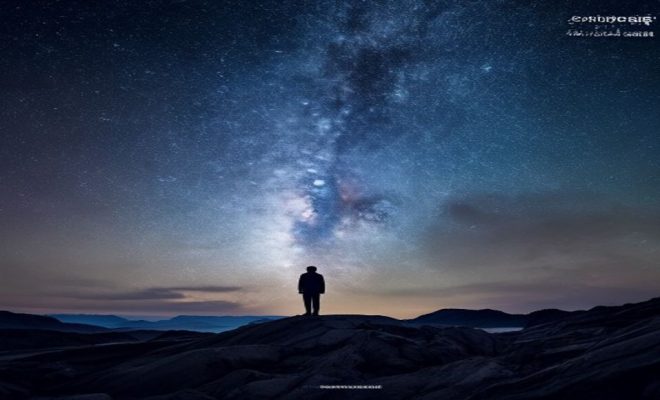
On the night of June 25, 2026, Earth was unexpectedly graced by a G1 (minor) geomagnetic storm. While many might think of a geomagnetic storm as a rare occurrence worthy of extensive anticipation, this surprise event came without significant advance warning. As forecasts indicate the possibility of further storming through June 27, stargazers and tech enthusiasts alike are buzzing with excitement and curiosity.
What is a Geomagnetic Storm?
In simple terms, a geomagnetic storm is a temporary disturbance of the Earth’s magnetosphere caused by solar wind and solar flares. When charged particles emitted by the sun collide with Earth’s magnetic field, it can lead to stunning auroras, also known as the Northern and Southern Lights. However, these storms can also have more practical implications, such as affecting satellite operations and power grids.
The Mechanics Behind the Storm
The recent G1 geomagnetic storm was triggered by heightened solar activity, particularly from the sun’s surface. During periods of heightened solar activity, the sun releases bursts of energy and charged particles into space, known as solar wind. When these particles interact with Earth’s magnetic field, they can cause fluctuations in magnetic energy, creating the conditions for a geomagnetic storm.
Experts like C. Alex Young and Armando Caussade have highlighted that while this storm is classified as minor, it adds a fascinating layer to our understanding of space weather. The intensity and visual impact of such storms can vary greatly, making each one an exciting event for those monitoring solar activity and its effects on Earth.
Why This Storm Was a Surprise
This G1 geomagnetic storm caught many off guard, primarily due to the absence of prior warnings. Space weather forecasting is a complex task, and predicting these storms with precision is challenging. Although scientists monitor solar activity closely, the dynamics involved can lead to sudden bursts of energy that are difficult to anticipate. The element of surprise adds to the allure, compelling many to share their experiences and findings on social media.
Social Media Buzz and Public Response
As word spread about the unexpected storm, social media lit up with posts and articles sharing information about potential aurora sightings and updates on the storm’s progression. Platforms like Twitter, Facebook, and Instagram became filled with images of vibrant auroras, coupled with excitement and curiosity about future celestial displays. The phenomenon sparked a collective “fear of missing out,” as people rushed outside, hoping to catch a glimpse of the ethereal lights.
This kind of social media frenzy is not uncommon during geomagnetic storms. The combination of visual beauty and the scientific intrigue surrounding these events captures the public’s imagination, leading to a surge of interest and engagement.
Auroral Displays: When and Where to Look
For those looking to witness the mesmerizing auroras associated with a geomagnetic storm, timing and location are critical. During a G1 storm, auroras can typically be seen in areas closer to the poles, such as parts of Canada, Norway, and Alaska. However, during stronger storms, the auroral oval can expand, allowing people in more southern regions to potentially see the lights.
During this particular storm, experts suggested that observers should look toward the northern horizon after dusk. Ideally, areas with minimal light pollution and clear skies offer the best viewpoints for aurora viewing. As the storm continued into June 27, hopeful stargazers were urged to keep an eye on forecasts for potential additional geomagnetic activity. (See: Understanding geomagnetic storms.)
The Impact on Technology
While auroras capture the imagination, geomagnetic storms can also have serious implications for technology. Satellite operations, GPS accuracy, and even power grids can be affected by the fluctuations in magnetic energy created during a geomagnetic storm. In particular, G1 storms are known to cause minor disruptions, but more intense storms can lead to significant issues.
For example, power companies must monitor these events to prevent equipment damage or outages. Satellites may experience increased drag in their orbits, leading to operational adjustments or re-positioning. As our reliance on technology grows, understanding the impact of geomagnetic storms becomes increasingly critical.
Future Predictions and Monitoring
As experts like Young and Caussade continue to provide updates on geomagnetic activity, the importance of monitoring solar activity cannot be overstated. As we approach periods of heightened solar activity, scientists employ various tools, such as solar observatories and satellites, to keep a close watch on potential geomagnetic storms.
These predictions not only help scientists study the sun’s behavior but also equip power companies and satellite operators with the knowledge needed to protect their systems. With solar cycle activity expected to increase in the coming years, we may see more frequent geomagnetic storms, making awareness and preparedness even more vital.
Understanding the Solar Cycle
The sun goes through an approximately 11-year cycle of solar activity, ranging from solar minimums with few sunspots to solar maximums characterized by numerous sunspots and heightened solar activity. Currently, we are approaching the peak of Solar Cycle 25, which is anticipated to reach maximum activity around 2025-2026.
During solar maximum phases, the likelihood of geomagnetic storms increases due to the sun’s heightened output of solar flares and coronal mass ejections (CMEs). As solar activity ramps up, we can expect more surprises like the G1 storm that recently occurred.
How to Prepare for Future Geomagnetic Storms
For those intrigued by the potential for geomagnetic storms, preparation can make all the difference. Here are some strategies to consider:
- Stay Informed: Follow reliable sources that provide updates on solar activity and space weather forecasts.
- Upgrade Technology: If you rely on technology for navigation or communication, consider investing in equipment that can withstand geomagnetic disturbances.
- Find a Good Viewing Spot: Identify locations with minimal light pollution for optimal aurora viewing, and be prepared to act quickly when a storm is forecasted.
- Connect with Community: Engage with local astronomy clubs or online communities to share experiences and information related to geomagnetic storms and auroras.
The Science of Auroras: How They Form
To understand auroras better, it’s essential to recognize how they actually form. When charged particles from the solar wind collide with atoms and molecules in Earth’s atmosphere, they transfer energy, which excites these particles. As they return to their normal state, they release light, producing the vibrant colors of the auroras. The colors you see depend on the type of gas involved: oxygen at higher altitudes can produce red and green hues, while nitrogen can give off purples and blues.
This interplay of solar winds and atmospheric particles creates stunning visual displays, yet there is a deeper significance to these occurrences. They are a reminder of the dynamic relationship between the sun and Earth and the effects of solar activity on our planet.
Statistics on Geomagnetic Storms
To put the occurrence of geomagnetic storms into perspective, consider these statistics: (See: NOAA's resources on geomagnetic storms.)
- According to NOAA, there are about 20 to 30 geomagnetic storms annually, with varying levels of intensity.
- Only about 1-2 storms a year reach the G4 or G5 levels, which can cause significant disruptions to technology.
- The last major geomagnetic storm that affected Earth significantly was the Carrington Event in 1859, which was so powerful that it caused widespread telegraph outages.
- Data from the National Solar Observatory indicates that during Solar Cycle 24, the number of significant geomagnetic storms increased as we approached the solar maximum.
Expert Perspectives on Geomagnetic Storms
Experts in the field of space weather have emphasized the importance of understanding geomagnetic storms. Dr. Tamitha Skov, a leading space weather physicist, argues that awareness of these storms is crucial, not just for scientists but for the general public. “The sun is a powerful force, and understanding its behavior can help us mitigate the impacts of its fury,” she states.
Additionally, Dr. Robert Holzworth, an atmospheric and space scientist, notes, “Geomagnetic storms are a natural part of our solar system’s dynamics. The more we learn about them, the better we can prepare for their effects on our technology and environment.” Their insights underline the necessity for ongoing research and monitoring of solar activity.
Comparative Analysis: Geomagnetic Storms vs. Solar Flares
While geomagnetic storms and solar flares are both phenomena resulting from solar activity, they are fundamentally different. Solar flares are sudden eruptions of energy on the sun’s surface, releasing a massive amount of electromagnetic radiation. In contrast, geomagnetic storms are the result of solar wind interacting with Earth’s magnetic field.
To illustrate, a solar flare can occur without causing a geomagnetic storm if the emitted particles do not directly interact with Earth. However, when a coronal mass ejection (CME) follows a solar flare and is directed towards Earth, it can lead to a geomagnetic storm. Understanding these differences helps in assessing risk and potential impacts on our planet.
Recent Research and Discoveries in Geomagnetic Storms
As scientists delve deeper into the mechanics of geomagnetic storms, recent research has shed light on their prediction and effects. New studies have focused on improving models that forecast the arrival of solar wind at Earth, allowing for better preparedness. For instance, the European Space Agency’s Solar Orbiter mission aims to provide unprecedented insights into the sun’s magnetic field, enhancing our ability to predict geomagnetic storms.
In a 2023 study published in the Journal of Geophysical Research, researchers examined the relationship between solar activity and geomagnetic storms, identifying patterns that could increase the accuracy of storm forecasts. These advancements highlight the ongoing pursuit of knowledge in the field of space weather and its impact on Earth.
Implications of Geomagnetic Storms on Climate
Interestingly, geomagnetic storms may also have implications for Earth’s climate. While the direct effects on weather patterns are still being researched, some studies suggest that increased solar activity can influence atmospheric circulation patterns, which in turn affect climate. Understanding these connections could be crucial for climate modeling and predicting long-term environmental changes.
Furthermore, geomagnetic storms can lead to changes in ozone levels in the atmosphere. Research indicates that during intense geomagnetic storms, the redistribution of particles can alter chemical reactions that impact ozone depletion and recovery. This interplay between solar activity and atmospheric chemistry showcases the interconnectedness of space weather and global climate systems.
FAQ about Geomagnetic Storms
What are the different categories of geomagnetic storms?
Geomagnetic storms are categorized into five levels: G1 (minor), G2 (moderate), G3 (strong), G4 (severe), and G5 (extreme). Each level indicates the intensity and potential impact on technology and natural phenomena like auroras. (See: Scientific insights on space weather.)
How can geomagnetic storms affect GPS systems?
Geomagnetic storms can disrupt the ionosphere, where GPS signals travel. This can cause inaccuracies in location data, leading to navigational errors that are particularly concerning for aviation and maritime operations.
Are geomagnetic storms dangerous to human health?
While geomagnetic storms pose little direct risk to human health, they can affect astronauts in space and passengers on polar flights by increasing exposure to radiation. Thus, precautionary measures are taken for these groups during extreme storms.
Can geomagnetic storms cause power outages?
Yes, geomagnetic storms can induce currents in power lines, potentially damaging transformers and leading to outages. Utility companies monitor space weather to take preventative actions during forecasted storms.
What should I do if a geomagnetic storm is predicted?
If a geomagnetic storm is predicted, stay updated with reliable sources for information. If you’re in a high-risk area for power disruptions, ensure you have backup power sources ready. For stargazers, find a good viewing spot and enjoy the auroras if conditions allow!
Conclusion: Embracing the Wonders of Space Weather
As we reflect on the recent G1 geomagnetic storm and its implications, it becomes clear that space weather is not just a scientific curiosity; it’s a phenomenon that resonates deeply with our natural world. The surprise factor, combined with the beauty of auroras, creates a compelling narrative that captivates both the scientific community and the general public.
With the potential for more geomagnetic storms on the horizon, our understanding and appreciation for these events will only continue to grow. So whether you’re an avid stargazer or simply someone fascinated by the wonders of the universe, keep your eyes on the skies — there’s so much more to discover in the cosmos!
“`
Trending Now
Frequently Asked Questions
What is a geomagnetic storm?
A geomagnetic storm is a temporary disturbance of Earth's magnetosphere caused by solar wind and solar flares. When charged particles from the sun collide with Earth's magnetic field, they can create stunning auroras and impact satellite operations and power grids.
What causes a geomagnetic storm?
Geomagnetic storms are caused by heightened solar activity, particularly solar wind and flares. When the sun releases bursts of energy and charged particles, they interact with Earth's magnetic field, leading to fluctuations that create the conditions for a storm.
Why was the recent geomagnetic storm a surprise?
The recent G1 geomagnetic storm was unexpected due to the lack of prior warnings. Predicting these storms is complex, and while scientists monitor solar activity, sudden bursts of energy can occur without advanced notice.
What are the effects of geomagnetic storms on Earth?
Geomagnetic storms can lead to beautiful auroras, but they also have practical effects, such as disrupting satellite operations and power grids. These storms can impact technology and infrastructure, making monitoring important for safety.
How often do geomagnetic storms occur?
Geomagnetic storms can occur frequently, especially during periods of heightened solar activity, such as solar flares. While minor storms like G1 can happen with little warning, more intense storms are less common and often anticipated.
Have you experienced this yourself? We’d love to hear your story in the comments.