Fighting Video Games:Super Smash Bros. Melee
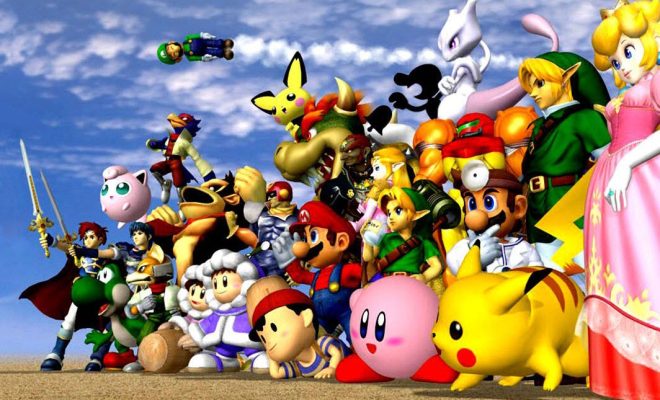
Super Smash Bros. Melee, released for the Nintendo GameCube in 2001, is a unique entry in the fighting game genre that has achieved legendary status among fans and competitive players alike. Developed by HAL Laboratory and published by Nintendo, Melee took the foundation laid by its Nintendo 64 predecessor and elevated it to new heights.
What sets Melee apart from traditional fighting games is its accessible yet deeply complex gameplay. Instead of depleting health bars, players aim to knock opponents off the stage. The percentage system, where higher damage makes characters more susceptible to being launched, creates a dynamic and exciting flow to matches.
The game features a diverse roster of characters from various Nintendo franchises, each with unique movesets and playstyles. From Mario’s all-around capabilities to the technical precision required for Fox, Melee offers something for players of all skill levels. The inclusion of both casual-friendly items and stages alongside more competitive options allows the game to cater to a wide audience.
Melee’s physics engine is what truly sets it apart. The game’s fast-paced, gravity-defying combat allows for incredible mobility and creative combo potential. Advanced techniques like wavedashing, L-canceling, and short hopping emerged from players pushing the game’s mechanics to their limits, adding layers of depth that are still being explored today.
The competitive scene for Melee is one of the most enduring in fighting game history. Despite the release of newer entries in the series, many players and spectators consider Melee the pinnacle of competitive Smash Bros. The game’s high skill ceiling and potential for player expression have kept it relevant in tournaments for over two decades.
Beyond its competitive aspects, Melee offers a wealth of single-player content. The Adventure mode, classic mode, and various mini-games provide hours of entertainment for solo players. The game’s attention to detail in animations, stage design, and music creates a nostalgic celebration of Nintendo’s rich history.
Super Smash Bros. Melee’s influence extends far beyond the Smash Bros. series. It popularized the platform fighter sub-genre and inspired numerous similar games. Its success demonstrated that fighting games could appeal to a broader audience while still maintaining competitive depth.