US Higher Ed Faces First Funding Decline Since 2012
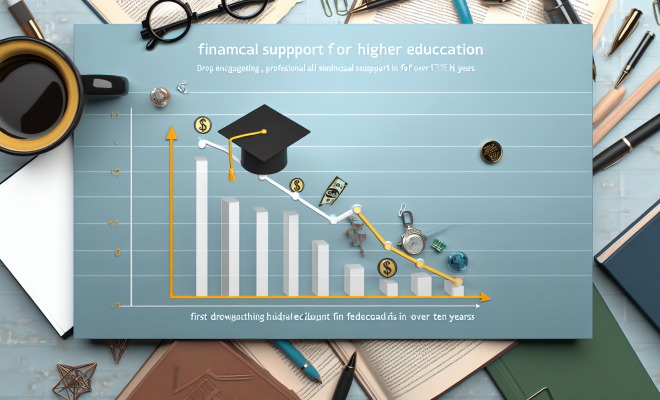
For the first time since 2012, state and local funding per student for higher education has experienced a decline, according to the latest report from the State Higher Education Executive Officers Association (SHEEOA). This trend raises significant concerns regarding the future of higher education financing as well as the accessibility and quality of academic programs across the United States.
Decline in Per-Student Funding
The SHEEOA’s State Higher Education Finance report indicates that inflation-adjusted per-student spending fell by 1 percent in fiscal year 2025, dropping from $12,205 per student in 2024 to $12,082 in 2025. This is a noteworthy shift, particularly after years of increasing investment in higher education.
Historical Context
Since tracking began in 1980, the overall funding from state and local sources for higher education has reached a staggering $130.7 billion in fiscal year 2025. This represents the highest expenditure observed in over four decades, highlighting a complex relationship between total funding and per-student allocation.
Record Spending Amidst Declining Per-Student Investment
While total funding has surged, the decline in per-student spending suggests that the increased funds may be going towards other areas, such as institutional support or infrastructure, rather than directly benefiting students. This trend poses a challenge to the sustainability of higher education, particularly as tuition rates continue to climb.
- Total funding: $130.7 billion in fiscal year 2025
- Per-student funding: $12,205 in fiscal 2024 vs. $12,082 in fiscal 2025
- First decline: Since 2012
- Tracking began: 1980
Implications for Students and Institutions
The decline in per-student funding is likely to have several implications:
- Increased Tuition Costs: Institutions may respond to reduced funding by raising tuition, further increasing the financial burden on students.
- Reduced Access: As costs rise, prospective students may find higher education less accessible, particularly those from lower-income backgrounds.
- Quality of Education: A decline in funding may lead to cuts in academic programs, faculty positions, or student services, adversely affecting the quality of education.
Factors Contributing to the Decline
Several factors may contribute to this unexpected decrease in per-student funding:
- Inflation: Rising costs of living and inflation in educational resources can strain budgets, forcing institutions to make difficult financial decisions.
- State Budget Constraints: Many states are experiencing budget shortfalls, which can lead to cuts in higher education funding as other essential services compete for limited resources.
- Changing Enrollment Patterns: Fluctuations in enrollment rates can affect funding allocations, as funding is often tied to student headcounts.
The Future of Higher Education Funding
As states grapple with their budgetary challenges, the long-term implications of declining per-student funding could prove to be detrimental to the higher education landscape. Higher education leaders are urging policymakers to prioritize investment in this sector to ensure that students receive a quality education without incurring overwhelming debt.
Conclusion
The recent decline in per-student funding for higher education marks a critical juncture for institutions and students alike. While total funding has reached historic levels, the shift in per-student spending underscores the need for a reevaluation of funding strategies to protect the future of higher education. Policymakers, educational leaders, and advocates must work collaboratively to navigate these challenges and secure a sustainable and equitable funding model for the benefit of all students.