Shocking Truth: Are New Solar Panels Built to Break?
“`html
It’s a curious paradox, isn’t it? We’re constantly told that technology is advancing, that innovation is making everything better, faster, and more efficient. In the world of solar energy, we’ve certainly seen incredible leaps forward in panel efficiency. Panels that were once niche and expensive are now commonplace, and their ability to convert sunlight into electricity has never been stronger. You’d think, then, that their long-term reliability – their sheer ability to withstand the elements and keep on generating power for decades – would be improving right alongside. But what if I told you that, for many of the latest, most efficient solar panels hitting the market, the opposite might actually be true? What if the very quest for higher efficiency is inadvertently leading to a decline in overall solar panel durability?
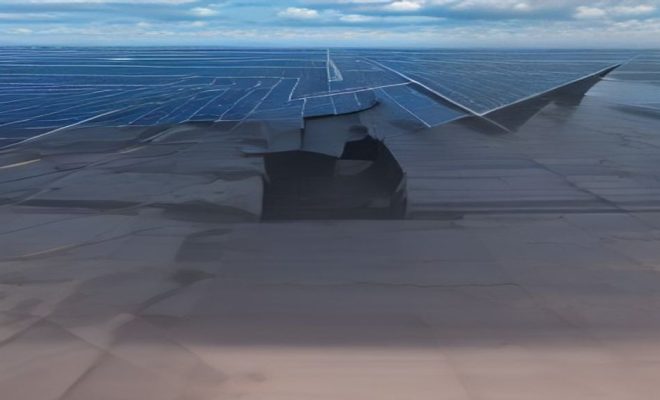
This isn’t just a hunch or a conspiracy theory whispered in online forums. Independent testing labs, the very institutions whose job it is to put these panels through their paces, are sounding the alarm. They’re reporting a concerning trend: a significant increase in failure rates during rigorous stress tests. This revelation throws a serious wrench into our understanding of solar technology and, more importantly, raises pressing questions for homeowners and investors who are putting their hard-earned money into these systems. After all, a solar panel isn’t just a gadget; it’s a long-term investment in your home and your energy future. You need it to last.
The Efficiency Paradox: When More Power Means Less Resilience
For years, the solar industry has been locked in a race for efficiency. Every new generation of panels seems to boast a higher wattage, a better conversion rate, and the promise of more energy from the same rooftop footprint. We’re seeing groundbreaking technologies like perovskite-silicon 4T designs, which layer different light-absorbing materials to capture a broader spectrum of sunlight, pushing theoretical efficiency limits to astonishing levels. On paper, this is fantastic news. More efficient panels mean fewer panels needed for the same energy output, potentially reducing installation costs and making solar accessible to even more homes.
However, the pursuit of these efficiency gains isn’t happening in a vacuum. Manufacturing solar panels is a delicate balance of materials science, engineering, and cost control. As manufacturers push the boundaries of performance, there’s an undeniable pressure to keep production costs down to remain competitive. This is where the paradox begins to emerge. To achieve higher efficiencies, new cell designs and materials are introduced. But sometimes, in the rush to market, or in the pursuit of marginal cost savings, other aspects of the panel’s construction – those crucial elements responsible for its physical integrity and longevity – appear to be getting short shrift. It’s like building a supercar with an incredibly powerful engine, but then fitting it with bicycle tires and a flimsy chassis. The raw power is there, but the overall durability just isn’t.
Independent Labs Ring the Alarm: The Data Doesn’t Lie
When it comes to understanding the true performance and longevity of solar panels, you can’t just rely on manufacturer specifications. That’s where independent testing labs like Kiwa PVEL and RETC come in. These organizations are the unsung heroes of the solar industry, putting panels through brutal accelerated stress tests that simulate decades of real-world exposure to heat, humidity, UV radiation, mechanical stress, and electrical loads. They’re designed to uncover weaknesses that might not manifest until years after installation.
And what they’re finding is genuinely unsettling. Both Kiwa PVEL and RETC have been reporting a concerning uptick in the failure rates of newer, highly efficient panel designs during their rigorous testing protocols. This isn’t just a slight blip; it’s a noticeable trend that suggests something fundamental might be changing in how these panels are constructed. Imagine a battery that promises longer life but can’t hold a charge after a few months. That’s the kind of disconnect we’re starting to see with some of these cutting-edge solar panels. These labs are the industry’s canary in the coal mine, and right now, that canary is singing a rather somber tune about solar panel durability.
Thinning Out: The Hidden Cost of Cost-Cutting
So, if efficiency is going up, why is durability seemingly going down? The answer, according to these independent assessments, often boils down to subtle, yet critical, changes in material specifications and structural design. Think about it: every component in a solar panel adds to its cost. If you can shave a fraction of a millimeter off a layer here, or use a slightly less robust material there, those savings multiply across millions of panels. But these seemingly minor adjustments can have outsized impacts on long-term performance. (See: National Renewable Energy Laboratory report.)
One major area of concern is the encapsulant layer. This is the transparent material, usually EVA (ethylene-vinyl acetate) or POE (polyolefin elastomer), that encases the delicate solar cells, protecting them from moisture, dirt, and physical damage. Thinner encapsulant layers might slightly improve light transmission, contributing to efficiency, but they also offer less protection against moisture ingress and thermal expansion/contraction stresses. Water, in particular, is the silent killer of solar panels, leading to corrosion and delamination over time. Another trend is the move towards zero-busbar or multi-busbar designs. While these can improve current collection and reduce resistive losses, the way they’re integrated can sometimes create new stress points or make the cells more susceptible to microcracks if not meticulously engineered. Even seemingly innocuous changes like thinner aluminum frames, while reducing material cost and weight, can compromise the panel’s structural rigidity, making it more vulnerable to wind loads and snow loads, impacting overall solar panel durability. See also cost breakdown of solar.
TOPCon Technology: A Case Study in Emerging Durability Questions
Let’s take a closer look at a specific technology that’s been gaining a lot of traction: Tunnel Oxide Passivated Contact, or TOPCon, panels. These represent a significant leap forward in cell architecture, offering efficiencies that often surpass traditional PERC (Passivated Emitter Rear Cell) technology. They achieve this by adding a thin layer of silicon dioxide and polysilicon to the rear of the cell, which helps to reduce electron recombination and improve overall performance. The promise of TOPCon is compelling: higher power output, better performance in low light, and a lower temperature coefficient (meaning less power loss in hot conditions).
However, as with any new technology, there are emerging questions about its long-term solar panel durability. While TOPCon is undoubtedly efficient, some early reports and anecdotal evidence from the field, as well as testing results from labs, suggest that some manufacturers might be struggling with the precise execution of the passivation layers or the integration of the new cell structure within the overall panel design. These issues can manifest as accelerated degradation under harsh conditions, or a higher susceptibility to certain types of stress. It’s not to say that all TOPCon panels are problematic – far from it. Many reputable manufacturers are producing excellent, durable TOPCon products. But the broad adoption of this technology, combined with the pressures of mass production, means that consumers need to be more diligent than ever in researching specific manufacturers and their track record, rather than just assuming all panels of a certain technology are created equal.
Beyond TOPCon: The Rise of HJT and Perovskites and Their Durability Challenges
While TOPCon is a current focus, the solar industry continues to innovate rapidly. Heterojunction (HJT) technology, which combines amorphous and crystalline silicon layers, offers impressive efficiencies and excellent temperature performance. Perovskite solar cells, often layered on top of silicon, promise even higher theoretical efficiencies. These advancements are exciting, but they introduce new materials and manufacturing complexities that can impact long-term durability.
HJT cells, for instance, often use different metallization techniques and require specific encapsulants to maintain their performance over time. Their low-temperature manufacturing process is a boon, but the materials themselves need rigorous validation for long-term stability in diverse climates. Perovskites, while incredibly efficient, are known for their susceptibility to moisture and UV degradation, which poses significant encapsulation challenges. Manufacturers are working hard to overcome these hurdles, but early iterations of any cutting-edge technology inevitably present a learning curve for ensuring robust solar panel durability. It’s a constant tightrope walk between pushing the envelope on efficiency and guaranteeing the panel will still be kicking in 25 years.
The Warranty Conundrum: Promises Versus Reality
When you invest in a solar system, one of the most reassuring aspects is the warranty. Manufacturers typically offer two types: a product warranty (covering defects in materials and workmanship, usually 10-12 years) and a performance warranty (guaranteeing a certain percentage of original power output after 25-30 years). These warranties are supposed to be your safety net, your assurance that your investment will pay off over the long haul. But what happens when the very foundation of that assurance – the expected solar panel durability – starts to wobble?
If independent testing is showing higher failure rates in accelerated stress tests, it suggests that some panels might not live up to those decades-long performance claims in the real world. This creates a challenging situation for homeowners and investors. You might have a 25-year performance warranty, but if the panel degrades significantly faster than expected, or fails outright after 15 years, will the manufacturer still be around and willing to honor that claim? Navigating warranty claims can be a complex, frustrating process, especially if the company has gone out of business or disputes the cause of degradation. This uncertainty is a major reason why scrutinizing the long-term reliability of a panel, rather than just its peak efficiency, has become paramount. A warranty is only as good as the company backing it and the inherent quality of the product it covers.
The Role of Microcracks and PID: Silent Killers of Performance
Beyond obvious failures, subtle issues can chip away at a solar panel’s performance and lifespan. Microcracks are tiny, hairline fractures in the silicon cells that are often invisible to the naked eye. They can be caused by manufacturing defects, rough handling during transport or installation, or even extreme weather events like hail or high winds. While a single microcrack might not immediately kill a cell, it can lead to “hot spots” where current flow is restricted, causing localized heating and accelerated degradation over time. Eventually, these microcracks can propagate, leading to significant power loss and, in severe cases, outright cell failure. (See: Research on solar panel performance.)
Another insidious issue is Potential Induced Degradation (PID). This phenomenon occurs when a voltage difference between the solar cells and the grounded module frame causes ions to migrate, leading to a reduction in power output. PID is particularly problematic in humid environments and high-voltage systems. While many modern panels incorporate anti-PID features, some lower-quality or poorly manufactured panels can still be susceptible, leading to substantial power losses over their operational life. Independent testing specifically looks for susceptibility to PID and microcracks, as these are key indicators of poor solar panel durability that might not be immediately apparent. This builds on green investment insights.
What This Means for Homeowners and Investors
For anyone considering going solar, or expanding an existing system, these findings should give you pause – but not necessarily deter you. Solar energy remains a fantastic investment for most homes, offering significant savings on electricity bills and reducing your carbon footprint. However, the emerging concerns about solar panel durability mean you absolutely cannot afford to be complacent. It’s no longer enough to just pick the panel with the highest wattage rating or the lowest upfront cost. You need to become an informed consumer, asking tougher questions and looking beyond the glossy brochures.
Think of it like buying a car. You wouldn’t just look at its horsepower; you’d consider its safety ratings, its reputation for reliability, and the availability of parts and service. The same logic applies to solar panels, perhaps even more so, given their expected lifespan. This situation underscores the critical need for comprehensive due diligence before making such a significant home investment. Your future energy independence depends on panels that not only perform well on day one, but continue to do so for decades.
How to Choose Durable Solar Panels: Your Action Plan
So, how do you navigate this increasingly complex landscape and ensure you’re investing in a truly durable solar energy system? Here’s an actionable plan:
- Prioritize Proven Manufacturers: Look for companies with a long track record, established manufacturing processes, and a reputation for quality. While new players can innovate, sometimes the cutting edge comes with unforeseen risks.
- Scrutinize Independent Test Results: Demand to see data from labs like Kiwa PVEL and RETC. Many manufacturers proudly publish their results if they perform well. Pay attention to how panels perform in various stress tests (thermal cycling, damp heat, dynamic mechanical load, potential induced degradation – PID). A panel that consistently passes these tests with minimal degradation is a strong indicator of robust solar panel durability.
- Understand the Bill of Materials: While you won’t get a full engineering breakdown, ask your installer about the specific components used. What type of encapsulant is it? What’s the thickness of the backsheet? How robust is the frame? A knowledgeable installer should be able to speak to these details.
- Investigate Specific Models, Not Just Brands: Even within a single manufacturer, different panel models can have varying levels of durability, especially if they incorporate new technologies. Research the specific model you’re being offered.
- Vet Your Installer Thoroughly: A reputable installer will work with high-quality products and stand behind their work. They should be able to explain their panel choices, discuss warranties clearly, and have a strong local reputation for service and support. Ask for references and check online reviews.
- Don’t Be Seduced by Peak Efficiency Alone: While higher efficiency is good, don’t let it be the sole deciding factor. A slightly less efficient panel that’s known for its rock-solid durability might be a better long-term investment than a bleeding-edge, hyper-efficient panel with an unproven track record under stress.
- Consider Reputable Home Insurance: While not a direct substitute for quality panels, robust home insurance that specifically covers solar equipment damage (from weather, etc.) can provide an extra layer of financial protection.
The Road Ahead: Balancing Innovation and Reliability
The solar industry is at a fascinating crossroads. The drive for greater efficiency is commendable and necessary if we’re to truly transition to a clean energy future. However, this push for performance cannot come at the expense of fundamental reliability. If consumers lose trust in the long-term viability of solar panels, it could significantly slow adoption rates and undermine the entire industry’s progress.
What we’re seeing is a call for greater transparency and accountability from manufacturers. It’s a reminder that true innovation isn’t just about raw power output; it’s about delivering a complete package that performs exceptionally well for its entire advertised lifespan. For homeowners, it means being proactive and discerning. Don’t just buy solar; invest wisely in a system that will truly deliver on its promise for decades to come. Your rooftop deserves nothing less than the best in solar panel durability, ensuring your energy independence is built on a solid, reliable foundation.
Frequently Asked Questions About Solar Panel Durability
Q1: How long are solar panels *really* supposed to last?
Most reputable manufacturers offer performance warranties guaranteeing 80-85% of original power output after 25-30 years. This suggests an expected operational lifespan of at least that long, though many panels can continue producing power beyond 30 years, albeit at a reduced rate. The product warranty, covering manufacturing defects, is typically 10-12 years. The key takeaway is that you should expect decades of reliable power generation, not just a few years. (See: U.S. Department of Energy on solar panel reliability.)
Q2: What’s the biggest threat to a solar panel’s lifespan?
Moisture ingress is often cited as the primary long-term threat. If water gets into the panel’s internal layers, it can cause corrosion of electrical contacts, delamination of the encapsulant, and ultimately lead to significant power loss or complete failure. Thermal cycling (repeated heating and cooling) and UV degradation also play major roles, stressing materials and leading to cracks or yellowing over time.
Q3: Does hail damage solar panels?
Modern solar panels are surprisingly robust against hail. They undergo rigorous testing to withstand impacts from hailstones of a certain size and velocity. Most panels are rated to withstand 1-inch hailstones traveling at up to 50 mph. However, extremely large hailstones (like golf ball or baseball size) or repeated severe hail events can certainly cause damage, leading to shattered glass or microcracks. This is where good home insurance with specific solar coverage comes in handy.
Q4: Are “frameless” solar panels less durable?
Not necessarily, but their durability depends heavily on the mounting system and the glass quality. Frameless panels (often “glass-on-glass” designs) can offer excellent aesthetics and sometimes better resistance to PID. However, without a traditional aluminum frame, the edges are more exposed, and the panel relies entirely on the strength of its glass layers and the mounting clamps to withstand mechanical loads. Always check independent test results for frameless panels, especially dynamic mechanical load tests.
Q5: How can I tell if my existing solar panels are degrading faster than they should?
The easiest way is to monitor your system’s performance. Most modern solar systems come with monitoring apps that show daily, weekly, and monthly power production. If you notice a significant, unexplainable drop in output compared to previous periods, especially after accounting for seasonal variations and weather, it could be a sign of accelerated degradation. Professional solar technicians can also perform infrared scans and IV curve testing to diagnose issues like hot spots or microcracks. We covered solar panel functionality in the dark in more detail.
Q6: Should I avoid new, highly efficient solar technologies?
Not entirely. New technologies like TOPCon, HJT, and even perovskites offer significant advantages. The key is to be discerning. Don’t be an early adopter of a brand-new panel model from an unproven manufacturer if long-term durability is your top priority. Instead, look for newer technologies from established manufacturers who have invested heavily in R&D and comprehensive testing, and who publish their independent lab results. It’s about finding the sweet spot where innovation meets proven reliability.
“`
Trending Now
Frequently Asked Questions
Do new solar panels break easily?
Recent studies suggest that some of the latest solar panels, while highly efficient, may have increased failure rates under stress tests. This raises concerns about their long-term durability, indicating that advancements in efficiency could compromise resilience.
What is the lifespan of modern solar panels?
Typically, modern solar panels are designed to last 25 years or more. However, the recent trend in higher efficiency panels may lead to questions about their ability to withstand harsh conditions over time, potentially impacting their lifespan.
Are solar panels worth the investment?
Solar panels can be a worthwhile investment for many homeowners, providing long-term savings on energy costs. However, it's crucial to consider the durability and reliability of the panels you choose, especially with concerns about some newer models.
What factors affect solar panel efficiency?
Solar panel efficiency is influenced by various factors, including the materials used, the design of the panels, and environmental conditions. Innovations like perovskite-silicon designs aim to enhance efficiency but may also raise durability concerns.
How do stress tests impact solar panel reliability?
Stress tests are crucial for evaluating solar panel reliability. Recent findings indicate that some newer panels are failing these tests more frequently, suggesting that their pursuit of higher efficiency might come at the cost of overall durability.
What's your take on this? Share your thoughts in the comments below — we read every one.