Shocking Divide: 2026 Cybersecurity Preparedness Exposed — Are You at Risk?
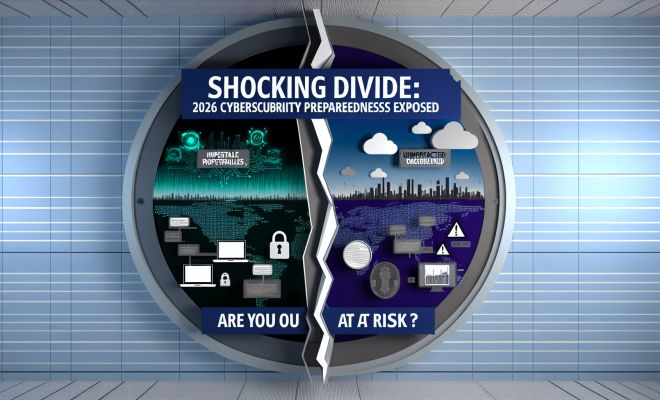
The landscape of cybersecurity in 2026 is shaping up to be a tale of two states, revealing a stark paradox that highlights the disparities in preparedness across the United States. As cyber threats evolve in complexity and sophistication, the response from various states has been alarmingly inconsistent. While some state governments are making strides in their cybersecurity frameworks, others are struggling to keep up, placing both public and private sectors at significant risk.
The Cybersecurity Maturity Gap
In the run-up to 2026, the cybersecurity maturity of U.S. states illustrates a dramatic divide. According to a recent survey conducted among Chief Information Security Officers (CISOs), various factors contribute to this worrying trend: outdated infrastructure, complexities in cyberattacks, and a shortage of skilled cybersecurity professionals are at the forefront of challenges faced by numerous states.
Legacy Infrastructure: A Millstone Around Progress
One of the primary barriers to enhancing cybersecurity in 2026 is legacy infrastructure. Many states still rely on outdated systems, which not only hinder their ability to respond to modern cyber threats but also create vulnerabilities that cybercriminals are eager to exploit. This reliance on older technologies can severely impact incident response times and the ability to safeguard sensitive data.
- Slow Response Times: Legacy systems often lack the agility required for quick updates and patches, leaving critical systems exposed.
- Incompatibility: Older technologies may not seamlessly integrate with modern cybersecurity tools, complicating defense strategies.
Complexity of Cyberattacks
The increasing sophistication of cyberattacks poses another significant challenge. Cybercriminals are employing more advanced techniques, making it essential for states to upgrade their defenses continually. The threats range from ransomware attacks to supply chain vulnerabilities, leaving inadequate systems struggling to keep pace.
Talent Shortages: An Alarming Trend
Alongside outdated systems and complex threats, another barrier highlighted by CISOs is the ongoing shortage of cybersecurity talent. Despite the increasing demand for skilled professionals, states are finding it difficult to recruit and retain qualified cybersecurity experts. This shortage not only exacerbates the existing vulnerabilities but also hampers the development of robust defense mechanisms.
- Increased Competition: Public entities often compete with private companies for the same talent, leading to financial discrepancies that state governments may struggle to meet.
- Training Gaps: Many educational institutions are still catching up to the needs of the industry, leaving a gap between available qualifications and actual requirements.
The State of Readiness: Shocking Statistics
Shocking data from the survey reveals that nearly half of U.S. states are scoring low on key metrics such as incident response preparedness and supply chain security. This stark reality paints a picture of progress juxtaposed against vulnerability, as state governments and enterprise leaders sprint to address escalating risks.
- Incident Response: Many states report delays in responding to incidents due to outdated protocols and inadequate training.
- Supply Chain Security: States are struggling to monitor their suppliers effectively, increasing the risk of breaches from third-party vendors.
Vulnerability Amid Progress
Despite these barriers, it would be a disservice to ignore the progress that has been made. Some states are leading the way in cybersecurity maturity, implementing advanced technologies and comprehensive training programs to ensure that their defenses are robust. These leaders serve as a benchmark for those still lagging behind, showcasing what can be accomplished with the right resources and commitment.
Leading Examples
States that have successfully improved their cybersecurity posture often share common traits:
- Investment in Technology: Allocating funds toward modern cybersecurity solutions has proven beneficial for many.
- Collaboration: Partnerships between public and private sectors have become central to enhancing security.
- Ongoing Training: Continuous professional development for current staff ensures that teams remain up-to-date on the latest threats and defenses.
Moving Forward: Strategies to Bridge the Gap
As we move closer to 2026, it is crucial to address the disparities in cybersecurity preparedness. Here are some strategies that states can employ to bridge the gap:
1. Comprehensive Risk Assessments
Regularly conducting risk assessments can help states identify vulnerabilities within their cybersecurity frameworks. Understanding specific risks allows for targeted investments and resource allocation.
2. Investing in Infrastructure
States must prioritize upgrading their legacy systems to more secure, modern technologies, enabling faster response times and improved integration with new cybersecurity solutions.
3. Fostering Talent Development
Creating programs that encourage cybersecurity education and training will help fill the talent gap. Partnerships with universities and vocational schools can pave the way for a new generation of cybersecurity professionals.
4. Encouraging Public-Private Partnerships
Collaboration between government and industry can lead to innovative solutions and shared resources that enhance overall cybersecurity efforts.
The Urgent Need for Awareness
The divide in cybersecurity preparedness among states not only affects government entities but also has significant implications for businesses and individuals. As cyber threats continue to escalate, the urgency for increased awareness and proactive measures becomes clear.
- FOMO on Security: The fear of missing out on essential security measures can motivate individuals and businesses alike to stay informed and take action.
- Counterintuitive Future-Gazing: Understanding that cybersecurity challenges are not one-size-fits-all encourages tailored solutions to specific threats.
Conclusion: Bridging the Cybersecurity Divide
As we approach 2026, the reality of a cybersecurity paradox looms large. The divide between states that are well-prepared and those that are not serves as a stark reminder of the challenges we face in an increasingly digital world. The findings from the CISO survey highlight not only the barriers that exist but also the potential paths forward.
For those in states lagging in cybersecurity preparedness, the time to act is now. Embracing modernization, investing in talent, and prioritizing security can help bridge the gap and protect against the vulnerabilities that threaten us all in the evolving landscape of cybersecurity in 2026.