EV Truck Sales Soar 80% in 2024: Charging Innovations Emerge
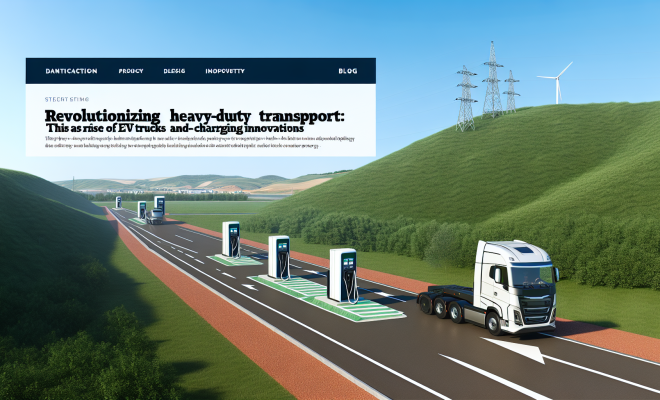
Surge in Global EV Truck Sales
The electric vehicle (EV) truck market has witnessed an unprecedented boom, with global sales soaring nearly 80% in 2024. This surge marks a pivotal moment in the transition to sustainable transportation, particularly in the heavy-duty sector.
China’s Dominance in EV Truck Sales
Leading this charge is China, which accounted for more than 80% of all EV truck sales worldwide in 2024. The country has made significant investments in green technologies and infrastructure, positioning itself as a global leader in the electric transport revolution. Chinese manufacturers have rapidly scaled production to meet domestic demand while also exporting their vehicles internationally, further solidifying their market dominance.
Advancements in Charging Infrastructure
As the demand for EV trucks increases, so too does the need for efficient and rapid charging solutions. The introduction of the Megawatt Charging System (MCS) represents a significant advancement in this area, enabling heavy-duty vehicles to charge at unprecedented speeds.
Megawatt Charging System: A Game Changer
Launched in August 2025 in Europe and expanding to North America in March 2026, the MCS is designed to meet the unique demands of commercial vehicles. Unlike traditional charging systems that can take hours to fully charge a truck, the MCS aims to significantly reduce this time, enhancing operational efficiency for logistics and transportation companies.
The Impact on the Commercial EV Sector
The rapid expansion of the commercial EV sector is closely tied to advancements in charging technology. As more companies transition to electric fleets, the need for a robust charging infrastructure becomes critical. The MCS not only provides faster charging times but also supports a growing network of charging stations, facilitating the widespread adoption of EV trucks.
Benefits of Faster Charging
- Increased Efficiency: Reduced charging times mean trucks can spend less time at charging stations and more time on the road, leading to improved overall productivity.
- Operational Cost Savings: Faster charging can lead to decreased downtime, allowing companies to maximize their fleet’s potential and reduce operational costs.
- Enhanced Range: With the ability to charge quickly, EV trucks can cover longer distances without lengthy stops, making them more competitive with traditional diesel trucks.
Future Trends in the EV Truck Market
As we look toward the future, several trends are likely to shape the EV truck landscape:
1. Increased Adoption of EV Trucks
The trend of rising sales is expected to continue as more companies recognize the environmental and economic benefits of transitioning to electric fleets. Regulatory pressures and consumer demand for sustainable practices will drive this shift.
2. Expansion of Charging Networks
Investment in charging infrastructure will be crucial. Governments and private entities are likely to collaborate on expanding the MCS network to ensure that charging stations are accessible and strategically placed along key transportation routes.
3. Innovations in Battery Technology
As charging technology evolves, so will battery technology. We can expect advancements that further reduce charging times and increase battery life, making EV trucks even more viable for long-haul transportation.
Conclusion: A Sustainable Future Awaits
The surge in EV truck sales and the advent of advanced charging systems like the Megawatt Charging System signal a transformative shift in the transportation industry. With China leading the charge and global demand for electric trucks on the rise, the future looks promising for sustainable heavy-duty transport. As charging infrastructure continues to expand and improve, the transition to electric fleets will likely accelerate, paving the way for a cleaner, more efficient transportation sector.