Pittsburgh’s Housing Crisis: Beyond Subsidies
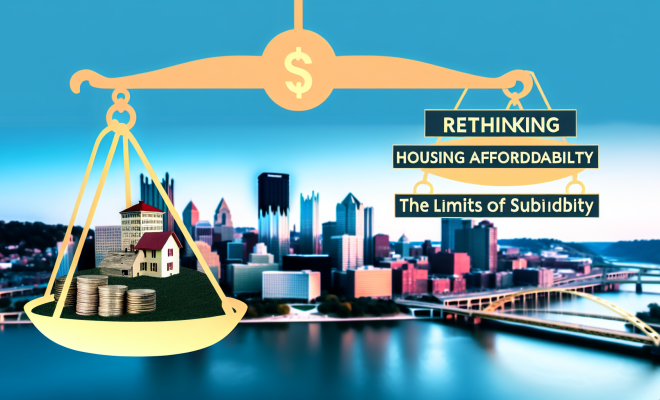
Pittsburgh is currently grappling with a pressing issue: the affordability of housing. With the cost of living on the rise, many advocates and policymakers have turned to subsidies as a potential remedy. However, Panini Chowdhury, in a thought-provoking piece for the Pittsburgh Post-Gazette, argues that relying solely on financial subsidies will not solve the city’s housing affordability crisis. Instead, she emphasizes the need for a more comprehensive approach that addresses underlying structural issues.
The Challenge of Housing Affordability
Housing affordability has emerged as a central theme in Pittsburgh’s political and social discourse. As the city navigates an evolving economic landscape, the promise of affordable housing has become a contentious topic among policymakers, advocates, and residents alike. Chowdhury’s argument highlights that while subsidies can provide temporary relief, they do not address the root causes of the affordability crisis.
Subsidies: A Short-Term Solution?
Chowdhury points out that numerous local, state, and federal programs are in place that aim to subsidize housing costs. These initiatives often promise to make housing more accessible for low- and moderate-income families. However, Chowdhury warns that this approach is limited and may not be sustainable in the long term.
- Financial Constraints: Relying on government budgets to fund housing initiatives can lead to financial strain. As city budgets become increasingly tight, the sustainability of these programs is called into question.
- Permitting Issues: The permitting process for new housing developments can be lengthy and complex, creating significant delays that exacerbate the housing shortage.
- Cost of Living: Rising costs associated with construction and the overall cost of living in urban areas further complicate the situation, making it difficult to build new affordable housing options.
A Comprehensive Approach is Necessary
The crux of Chowdhury’s argument is that housing affordability cannot be achieved through subsidies alone. Instead, a multifaceted approach that includes reforming permitting processes, improving land use policies, and addressing the cost of living is essential.
Reforming Permitting Processes
One of the significant barriers to developing affordable housing in Pittsburgh is the permitting process. Chowdhury points out that lengthy approvals can discourage developers from pursuing affordable projects. Streamlining these processes could not only expedite the construction of new units but also reduce costs for developers, ultimately benefiting consumers.
Land Use Policies
Revising land use policies to allow for more diverse types of housing can also play a crucial role in addressing affordability. By promoting mixed-use developments or higher-density housing, Pittsburgh can accommodate more residents without a significant increase in land costs. This strategy can create vibrant communities while also alleviating pressure on the housing market.
The Broader Economic Context
Chowdhury emphasizes that the housing affordability crisis is intertwined with broader economic factors. As Pittsburgh’s economy evolves, so too must its housing strategies. The city is witnessing an influx of new residents, often professionals attracted by job opportunities in technology and healthcare. While this can stimulate local economies, it can also drive up housing prices.
Addressing Cost of Living
Another critical factor in the affordability equation is the overall cost of living in Pittsburgh. Chowdhury suggests that addressing this issue requires a collaborative effort from various stakeholders, including government, businesses, and community organizations. By working together to find solutions, they can help mitigate the rising costs that impact housing affordability.
Looking Ahead
As Pittsburgh continues to confront its housing affordability crisis, it is essential for stakeholders to rethink their strategies. Chowdhury’s insights provide a valuable framework for understanding the limitations of subsidy-based approaches and the necessity for a broader strategy.
While subsidies may provide temporary relief, they should not be viewed as the sole solution. By focusing on reforming permitting processes, revising land use policies, and addressing the cost of living, Pittsburgh can develop a more sustainable model for affordable housing that benefits all residents.
Ultimately, the conversation surrounding housing affordability must shift from a reliance on subsidies to a more comprehensive approach that tackles the underlying challenges. Only then can Pittsburgh hope to create a housing landscape that is truly affordable and accessible to all.