Repairing Insecure Attachment: Can Your Style Change?
“`html
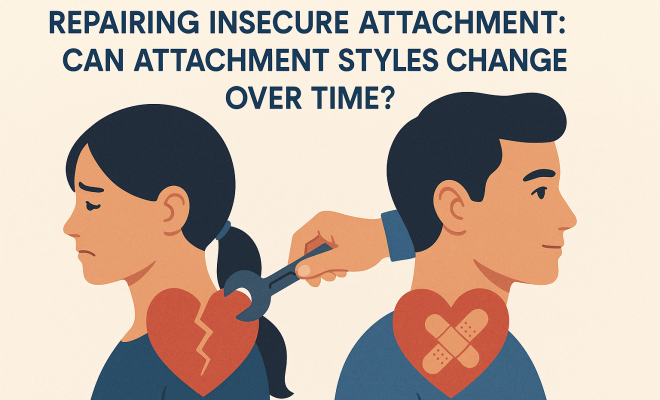
Attachment theory, first introduced by psychologist John Bowlby in the mid-20th century, has greatly influenced our understanding of relationships. At its core, this theory posits that the bonds formed between infants and their primary caregivers shape how individuals engage with others throughout their lives. While secure attachment is characterized by trust and emotional closeness, insecure attachment can manifest as anxiety, avoidance, or ambivalence in relationships. So, can these attachment styles change over time? And if so, what does ‘repairing insecure attachment’ entail?
Understanding Attachment Styles
Before exploring the process of repairing insecure attachment, it’s essential to understand the different attachment styles that individuals may develop. Broadly, these styles can be categorized into four types: Related reading: understanding emotional regulation.
- Secure Attachment: Individuals with secure attachment tend to have healthy, balanced relationships. They are comfortable with intimacy and independence.
- Avoidant Attachment: Those with avoidant attachment often maintain emotional distance in relationships. They may resist closeness and find it difficult to express their feelings.
- Anxious Attachment: Anxiously attached individuals often fear abandonment and crave constant reassurance from their partners. This can lead to clinginess and overly emotional responses.
- Disorganized Attachment: This style combines elements of both anxious and avoidant attachment, often resulting from trauma or inconsistent caregiving. Individuals may feel confused about their relationships and struggle with emotional regulation.
Understanding these styles is crucial for recognizing how they influence our behaviors and feelings in relationships. While these styles often feel fixed, research suggests that they are more fluid than we might think.
The Fluidity of Attachment Styles
While many people may believe their attachment style is set in stone post-childhood, studies indicate that attachment styles can indeed change over time. A groundbreaking study published in the journal Attachment & Human Development found that an individual’s attachment style could shift as they experience new relationships, particularly those that offer consistent support and emotional safety.
For instance, someone with an anxious attachment style could develop a secure attachment through a healthy, supportive partnership. On the other hand, a previously secure individual could regress to an insecure style following a traumatic relationship experience. This fluidity highlights the potential for growth and change, making the process of repairing insecure attachment not only possible but also necessary for healthy interpersonal relationships.
Factors That Influence Change in Attachment Styles
Several factors contribute to changes in attachment styles over time. Understanding these can help individuals actively engage in the process of repairing insecure attachment:
- New Relationships: Forming connections with secure individuals can foster a sense of safety and trust, allowing for the development of a more secure attachment style.
- Therapeutic Interventions: Engaging in therapy, particularly approaches like cognitive-behavioral therapy (CBT) or emotion-focused therapy (EFT), can help individuals work through past traumas and develop healthier relationship patterns.
- Personal Growth and Self-Reflection: Individuals who actively engage in self-improvement or reflective practices, such as journaling or mindfulness, often find it easier to confront and modify their attachment patterns.
- Support Networks: Having a strong support system comprised of friends and family can provide essential emotional safety, promoting healthier attachment behaviors.
Recognizing these factors can empower individuals to take control of their attachment styles and initiate the process of repairing insecure attachment.
Practical Steps for Repairing Insecure Attachment
So, how can you actively work on repairing insecure attachment? Here are some practical steps:
1. Self-Awareness
The first step in transforming your attachment style is gaining a deeper understanding of your own behaviors and patterns. Reflect on your past relationships and identify how your attachment style has influenced your interactions. Journaling can be an effective tool for self-exploration here.
2. Seek Professional Help
Engaging in therapy can provide a safe space to explore the roots of your attachment style. Therapists can guide you through identifying patterns, unpacking past traumas, and developing healthier coping strategies. (See: Attachment theory overview on Wikipedia.)
3. Build Secure Relationships
Surround yourself with emotionally supportive individuals. Seek out friendships and romantic partnerships with those who exhibit secure attachment styles. These relationships can serve as a model for healthy interactions and give you a chance to practice new ways of relating.
4. Communication Skills
Invest in developing effective communication skills. Learning how to express your needs and set boundaries helps to create a healthier relational dynamic. This is particularly important for those with anxious or avoidant styles, as they may struggle with asserting themselves or may fear conflict.
5. Mindfulness and Emotional Regulation
Cultivating mindfulness can aid in emotional regulation, helping you to respond to triggers more effectively. Practicing mindfulness techniques such as meditation, deep breathing, or yoga can encourage a sense of calm and self-awareness.
The Role of Therapy in Repairing Insecure Attachment
Therapy plays a crucial role in the journey of repairing insecure attachment. Different therapeutic approaches can facilitate understanding and promote healing:
Attachment-Based Therapy
This form of therapy focuses specifically on understanding the dynamics of attachment in relationships. It helps individuals recognize their attachment styles and explore how these affect their relationships.
Cognitive-Behavioral Therapy (CBT)
CBT assists individuals in identifying and challenging negative thought patterns associated with their attachment style. This can be particularly beneficial for those with anxious or avoidant tendencies.
Emotion-Focused Therapy (EFT)
EFT emphasizes emotional awareness and regulation, allowing individuals to better understand their feelings and how to communicate them in relationships.
Success Stories: Transforming Attachment Styles
Many individuals have successfully transformed their attachment styles through dedication and effort. For example, take Sarah, who spent years in anxious relationships, often feeling unworthy and abandoned. After engaging in therapy and learning about attachment theory, she began to understand her patterns and worked on self-compassion. Over time, she formed a secure relationship with her partner, who provided the reassurance and support she had long desired.
Then there’s Michael, whose avoidant tendencies made it difficult for him to connect with others. With the help of a therapist, he learned to embrace vulnerability and express his needs. He developed close friendships that provided him with a sense of safety, transforming his outlook on relationships.
Potential Challenges in Repairing Insecure Attachment
While the journey of repairing insecure attachment is rewarding, it’s not without its challenges. Here are some common obstacles individuals may encounter:
- Fear of Vulnerability: Embracing vulnerability can be daunting, especially for those with avoidant attachment. It requires stepping outside of one’s comfort zone and facing fears of rejection.
- Setbacks: As one works toward a more secure attachment style, setbacks can occur. It’s important to remember that healing is not linear, and occasional regressions are part of the process.
- Unhealthy Relationship Patterns: If individuals find themselves in relationships that reinforce their insecure attachment style, it can be challenging to break free from these dynamics.
The Importance of Community and Support
Building a strong support network can greatly aid in the process of repairing insecure attachment. Surrounding yourself with empathetic and understanding individuals can provide you with the encouragement needed to continue your journey. Support groups, whether in-person or online, can offer a safe space to share experiences, learn from others, and receive validation. (See: Research on attachment styles and relationships.)
Expert Perspectives on Repairing Insecure Attachment
Experts in the field of psychology often emphasize the importance of understanding and addressing attachment styles. Dr. Sue Johnson, a prominent figure in the development of Emotionally Focused Therapy, argues that recognizing one’s attachment style can be transformative. She states that “understanding how we connect with others is essential for forming lasting and fulfilling relationships.” Dr. Johnson suggests that individuals should prioritize emotional safety by seeking supportive partners and engaging in open communication.
Similarly, Dr. Amir Levine, co-author of Attached, highlights the significance of attachment awareness in relationships. He points out that “knowledge is power.” By understanding your attachment style and that of your partner, you can navigate conflicts more effectively and build a stronger emotional connection.
Case Studies: Real-Life Applications of Repairing Insecure Attachment
Real-world examples illustrate the power of awareness and intentional change in attachment styles. One such case is that of a couple, Lisa and Tom, who initially struggled due to their opposing attachment styles—Lisa being anxiously attached and Tom avoidant. After attending couples therapy, they learned to communicate their needs more effectively. Lisa started to understand that Tom’s need for space didn’t mean he didn’t love her, while Tom learned to provide reassurance without feeling overwhelmed. Their commitment to understanding each other’s attachment styles turned their relationship around.
Another example is a young adult named Emma, who faced difficulties in her friendships due to her disorganized attachment style stemming from childhood trauma. Through individual therapy, she worked on her emotional regulation and learned how to trust friends without feeling threatened by potential abandonment. Over time, she began to form deeper connections and was able to maintain healthier, more stable friendships.
Building Skills to Support Secure Attachment
There are practical skills that can help support the development of a secure attachment style:
- Active Listening: Practicing active listening helps you understand your partner’s perspective and fosters a sense of safety in conversations.
- Empathy Building: Cultivating empathy strengthens emotional connections and reduces misunderstandings.
- Conflict Resolution Skills: Learning how to navigate conflicts constructively can prevent unhealthy patterns from emerging in relationships.
Maintaining Progress in Repairing Insecure Attachment
Once you’ve made strides in repairing insecure attachment, it’s important to maintain this progress. Regular self-reflection is key. Make it a habit to check in on your feelings and relationship dynamics. Consider seeking ongoing therapy or engaging in support groups to continue growing. Keep nurturing your relationships with individuals who positively influence your journey towards secure attachment.
Frequently Asked Questions (FAQ)
What is the first step in repairing insecure attachment?
The first step is increasing your self-awareness. Reflect on your attachment style and how it affects your relationships. Understanding your patterns can help you identify areas for change.
Can therapy really help with attachment issues?
Yes, therapy can be incredibly beneficial. It provides a safe space to explore your attachment style, understand its origins, and develop healthier relationship strategies.
How long does it take to repair insecure attachment?
The timeline varies for everyone. For some, noticeable changes may occur within months, while others may take years to fully transform their attachment style. Patience and consistent effort are essential.
Are there specific exercises to help with repairing insecure attachment?
Yes! Exercises such as journaling about your feelings, role-playing difficult conversations, and practicing mindfulness can significantly aid in the process of repairing insecure attachment.
How do relationships impact attachment styles?
Relationships can either reinforce or alter your attachment style. Secure, healthy relationships can promote growth and help you develop a more secure attachment, while unhealthy dynamics can perpetuate insecurity.
Understanding the Impact of Past Trauma on Attachment
It’s essential to acknowledge that past traumas can have a profound effect on attachment styles. Individuals who have experienced neglect, abuse, or inconsistent caregiving in childhood are more likely to develop insecure attachment styles. This history can create a lens through which they view the world and relationships—even impacting the way they perceive new partners. Understanding this connection can be the first step towards healing. Addressing past traumas through therapy can help break these cycles and foster healthier attachments moving forward.
The Science of Neuroplasticity and Attachment
Neuroplasticity refers to the brain’s ability to reorganize itself by forming new neural connections throughout life. This concept has exciting implications for those looking to repair insecure attachment styles. It suggests that as you engage in new experiences, form secure relationships, and practice new techniques, your brain can create new patterns and pathways that support healthier attachments. Engaging in positive interactions, practicing self-compassion, and addressing past traumas can all contribute to this transformative process. Notably, brain scans have shown that individuals in healthy, supportive relationships exhibit different neural activity than those in insecure ones, emphasizing the importance of supportive connections for growth.
Statistics on Attachment Styles
Research into attachment styles has yielded some compelling statistics:
- Approximately 60% of adults exhibit a secure attachment style.
- About 20% of individuals display an avoidant attachment style, often leading to difficulties in closeness and emotional sharing.
- Another 20% have an anxious attachment style, characterized by a constant need for approval and fear of abandonment.
- Studies show that securely attached individuals tend to have higher levels of relationship satisfaction and overall well-being.
These statistics highlight the prevalence of insecure attachment styles and the potential for change through awareness and intentional effort.
Creating a Healing Environment
Repairing insecure attachment isn’t solely a personal journey; it often requires a conducive environment. Creating a healing space involves surrounding yourself with positivity and encouragement, whether through friends, family, or support groups. It might also include setting physical spaces in your home that inspire calmness and safety, such as a cozy reading nook or a peaceful meditation corner. The more supported and safe you feel in your environment, the easier it will be to engage in the process of repair.
The Path to Healthier Connections
Repairing insecure attachment is a journey that begins with self-awareness and a desire for change. While the process is undoubtedly challenging, the potential for personal growth and healthier relationships makes it worthwhile. By understanding your attachment style, seeking therapy, and fostering supportive relationships, you can work toward a secure attachment style that enhances your emotional well-being and enriches your connections with others.
“`
Trending Now
Frequently Asked Questions
Can attachment styles change over time?
Yes, attachment styles can change over time. While many individuals may feel their attachment style is fixed, research indicates that these styles are more fluid and can evolve through experiences, relationships, and therapeutic interventions.
What are the different types of attachment styles?
There are four primary attachment styles: secure, avoidant, anxious, and disorganized. Secure attachment involves healthy relationships, while avoidant attachment is characterized by emotional distance. Anxious attachment includes a fear of abandonment, and disorganized attachment combines elements of both anxiety and avoidance.
How can insecure attachment be repaired?
Repairing insecure attachment involves recognizing one's attachment style, engaging in self-reflection, and possibly seeking therapy. Building trust, improving emotional regulation, and fostering secure relationships can also help individuals shift toward a more secure attachment style.
What is the impact of attachment styles on relationships?
Attachment styles significantly influence how individuals interact in relationships. Secure attachment fosters trust and intimacy, while insecure styles, such as avoidant or anxious attachment, can lead to challenges like emotional distance, clinginess, or confusion in relationships.
What causes different attachment styles?
Attachment styles develop primarily from early interactions with primary caregivers. Factors such as consistency, emotional availability, and the quality of caregiving can lead to secure or insecure attachment styles, which then shape how individuals relate to others throughout their lives.
Agree or disagree? Drop a comment and tell us what you think.