Raising Emotionally Resilient Children in an AI-Driven Era
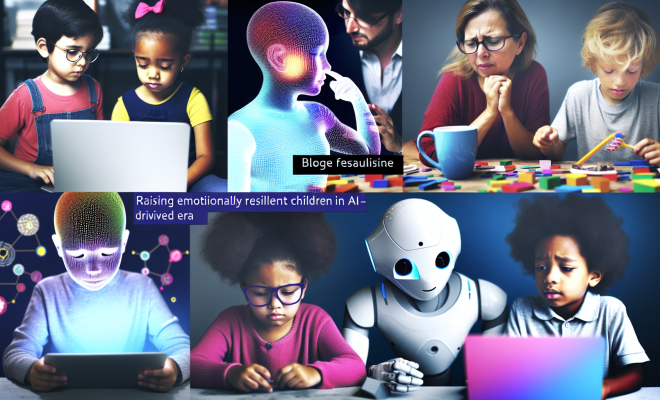
As we navigate through the complexities of a rapidly evolving technological landscape, parents are increasingly challenged to equip their children with essential emotional skills. A recent report by the World Economic Forum in 2026 highlights the significance of human capabilities like empathy, leadership, and social influence—skills that remain irreplaceable even in a world dominated by artificial intelligence (AI). This article explores expert insights on how to foster emotional strength in children amidst the rise of technology.
The Importance of Emotional Intelligence
Prof. DC Kiran from Vidyashilp University emphasizes the irreplaceable value of emotional intelligence. Unlike analytical thinking or technical skills—areas where AI excels—emotional intelligence must be cultivated through personal experiences. It thrives on authentic interactions, which AI cannot replicate. Prof. Kiran asserts that emotional growth requires listening, experiencing disagreements, and reflecting on these experiences.
AI’s Limitations in Understanding Emotion
While AI systems have advanced to a point where they can simulate conversational empathy, they lack the genuine emotional understanding derived from human experiences. According to a 2026 MIT Sloan Management Review, AI can mimic empathetic responses but cannot truly comprehend the emotions behind them. This reality underscores the critical role parents and educators play in nurturing emotional capacities in children.
Strategies for Raising Emotionally Strong Children
To prepare children for a future where emotional intelligence is paramount, parents can adopt several effective strategies:
- Encourage Open Communication: Create an environment where children feel safe expressing their thoughts and emotions. This open dialogue fosters trust and allows children to articulate their feelings.
- Model Emotional Intelligence: Children learn by observing. Demonstrate how to manage emotions effectively, resolve conflicts, and show empathy towards others.
- Teach Problem-Solving Skills: Encourage children to think critically about problems and explore solutions. This not only builds resilience but also enhances their ability to navigate challenges.
- Promote Empathy: Engage children in activities that require understanding others’ perspectives, such as volunteering or participating in community service.
- Encourage Healthy Disagreements: Teach children how to disagree respectfully and constructively. This skill is crucial for developing social influence and leadership qualities.
Integrating Technology Wisely
As children grow up in an AI-driven world, integrating technology into their lives requires a balanced approach. While technology can enhance learning, excessive screen time can hinder emotional development. Parents should be mindful of the following:
- Set Boundaries: Establish clear limits on screen time. Encourage children to engage in offline activities that foster social interaction and emotional growth.
- Use Educational Technology: Choose apps and programs that promote emotional intelligence, such as games that focus on empathy and cooperation.
- Encourage Face-to-Face Interaction: Prioritize in-person discussions and playdates over virtual interactions to strengthen social skills.
Developing a Supportive Environment
A supportive home environment is crucial for developing emotionally strong children. Here are some tips to create such an atmosphere:
- Validate Feelings: Acknowledge and validate your child’s feelings, whether they are positive or negative. This validation helps children understand that their emotions are normal and acceptable.
- Encourage Reflection: Prompt children to reflect on their experiences and feelings. Ask open-ended questions that encourage them to think deeply about their emotions.
- Provide Unconditional Love: Show love and support consistently, helping children feel secure and valued, which is essential for their emotional development.
Conclusion
In a world increasingly influenced by AI, emotional intelligence emerges as a vital skill that cannot be automated. By fostering empathy, problem-solving abilities, and emotional resilience in children, parents can prepare them for the challenges of the future. As the World Economic Forum emphasizes, the human connection remains irreplaceable. Therefore, parents must actively engage in their children’s emotional growth, ensuring they emerge as confident and emotionally intelligent individuals, capable of thriving in an AI-driven world.