Skydio X3 Review 2024: The Future of Autonomous Drones?
Introduction
Skydio, known for its advanced autonomous flying capabilities, has pushed the boundaries once again with the release of the Skydio X3 in late December 2024. This enterprise-grade drone aims to revolutionize aerial imaging for professional and industrial applications. In this review, we’ll explore the cutting-edge features that set the Skydio X3 apart from its competitors and assess its potential impact on various industries.
Review
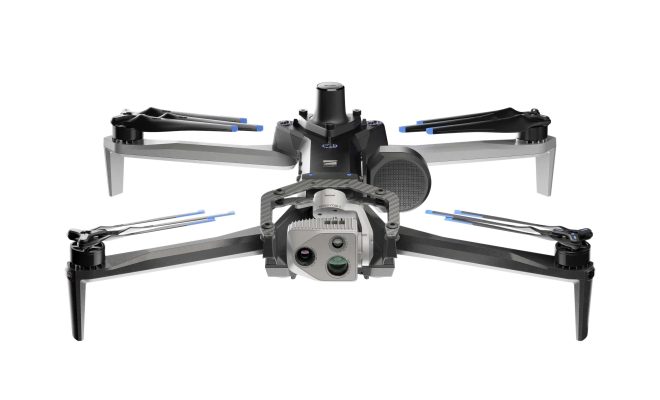
The Skydio X3 is built around a robust and weather-resistant frame, designed to withstand challenging environmental conditions. Its IP55 rating ensures protection against dust and water, making it suitable for use in light rain or dusty environments. The drone’s compact folding design allows for easy transport, while its reinforced carbon fiber construction provides durability without adding excessive weight.
At the heart of the Skydio X3 is its advanced AI-powered flight system. Building upon Skydio’s reputation for autonomous flight, the X3 takes obstacle avoidance and subject tracking to new heights. The drone utilizes six 4K cameras for 360-degree environmental awareness, coupled with powerful onboard AI processors that can make split-second decisions to maintain safe flight paths. This system allows the X3 to navigate complex environments with ease, even in GPS-denied areas.
The primary camera on the Skydio X3 is a marvel of engineering. It features a large 1-inch CMOS sensor capable of capturing 48MP stills and recording 6K video at 30fps or 4K at 120fps. The camera is mounted on a 3-axis gimbal that provides exceptional stability, even in windy conditions. What sets this camera apart is its dual optical system, which allows for simultaneous wide-angle and telephoto shooting. Users can seamlessly switch between a 24mm equivalent wide-angle view and a 70mm equivalent telephoto view without any loss in image quality.
One of the most impressive features of the Skydio X3 is its extended flight time. Thanks to its efficient propulsion system and high-capacity battery, the drone can stay airborne for up to 55 minutes on a single charge. This extended flight time is a game-changer for industries such as construction, infrastructure inspection, and search and rescue operations, where longer mission durations are crucial.
The Skydio X3 also introduces a new level of modularity. The drone features a hot-swappable payload system, allowing users to quickly change between different sensors or cameras depending on the mission requirements. This flexibility makes the X3 adaptable to a wide range of applications, from thermal imaging for firefighting to multispectral sensors for precision agriculture.
On the software side, Skydio has developed a comprehensive enterprise platform that integrates seamlessly with the X3. This platform offers fleet management capabilities, real-time data streaming, and advanced mission planning tools. The inclusion of edge AI processing allows for on-device data analysis, reducing the need for constant data transmission and enabling faster decision-making in the field.
Conclusion
The Skydio X3 represents a significant leap forward in enterprise drone technology. Its combination of advanced autonomous flight capabilities, versatile imaging system, and robust design makes it an extremely powerful tool for a wide range of professional applications. While its high price point may put it out of reach for casual users, the Skydio X3 offers exceptional value for businesses and organizations that require top-tier performance and reliability in their aerial imaging operations. As we move further into 2025, the Skydio X3 is poised to set a new standard for what enterprise drones can achieve.