Philippines Takes a Stand Against Fake News, Calls on Facebook to Act
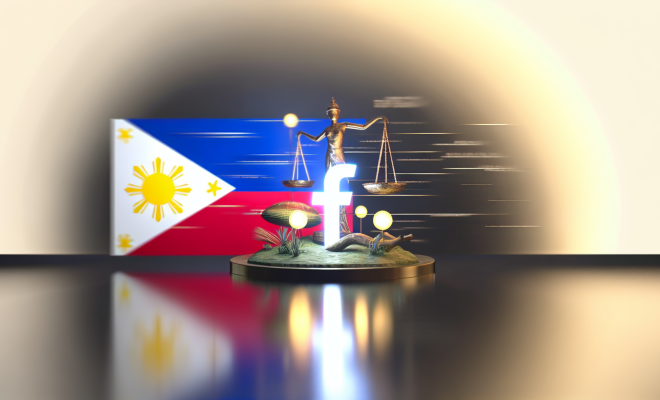
The Philippine government has escalated its fight against the rampant spread of disinformation by formally requesting Meta Platforms, the parent company of Facebook, to take immediate action against the dissemination of false and panic-inducing content on its platforms. This significant move, made public on April 10, 2026, comes with a strict seven-day deadline for Meta to respond.
Government’s Stance on Disinformation
In an official statement, the Philippine government expressed serious concerns regarding the impact of disinformation on public order, economic stability, and national security. The government emphasized that the circulation of false information poses significant risks that could undermine trust in institutions and create social unrest.
Authorities in the Philippines pointed to the growing prevalence of misinformation, especially in the context of sensitive topics such as health, politics, and economic issues. This rise in disinformation has coincided with the increasing reliance on social media platforms for news and information dissemination, making it imperative for companies like Meta to take responsibility for the content shared on their platforms.
Legal Implications of Inaction
In its correspondence with Meta, the Philippine government warned of potential regulatory and legal actions should the tech giant fail to act promptly. The implications of non-compliance could involve violations of the country’s penal code and cyber crime laws, which are designed to protect citizens from malicious online activities.
- Penal Code Violations: The Philippine penal code includes provisions that penalize the spread of false information that can incite unrest or panic.
- Cyber Crime Laws: Existing laws are in place to combat online libel and misinformation, which the government asserts could be applied to social media platforms if they do not take corrective action.
Calls for Accountability
The government’s request highlights a growing sentiment among policymakers worldwide that social media companies must be held accountable for the content shared on their platforms. As misinformation continues to proliferate, there is increasing pressure on tech giants to actively monitor and regulate the information flow to prevent harmful content from reaching users.
Philippine officials have pointed out that despite previous discussions and measures taken by Meta to address disinformation, the problem has continued to escalate. The government is now urging Meta to implement more stringent measures, including:
- Enhanced Content Moderation: The development of more robust algorithms and human oversight to identify and remove false content.
- Transparency in Reporting: Regular updates on how misinformation is being addressed and the effectiveness of measures implemented.
- Collaboration with Local Authorities: Working closely with the Philippine government to understand local contexts and tailor responses accordingly.
The Broader Context of Misinformation
This request from the Philippine government is part of a larger global trend where countries are becoming increasingly aggressive in combating fake news. Governments around the world are recognizing that misinformation can have devastating effects, particularly in times of crisis, such as during elections or public health emergencies.
The COVID-19 pandemic, for instance, has underscored the dangers of misinformation, with false health claims leading to public confusion and reluctance to follow safety protocols. As such, the Philippine government’s actions are not an isolated incident but rather part of a broader movement to ensure that social media platforms contribute positively to societal discourse.
Future Implications for Social Media Regulation
As the deadline for Meta approaches, the outcome of this request could set a precedent for how social media platforms are regulated in the Philippines and beyond. Should Meta comply and implement the requested measures, it may lead to enhanced collaboration between governments and tech companies in the fight against misinformation.
Conversely, if Meta fails to act, it could catalyze stricter regulations and potential legal challenges not only in the Philippines but in other jurisdictions grappling with similar issues. This is a crucial moment for Meta as it navigates the complex landscape of global governance and public accountability.
Conclusion
The Philippine government’s formal request to Meta Platforms signifies a pivotal moment in the ongoing battle against misinformation. As nations worldwide grapple with the implications of disinformation, the response from Meta could have lasting effects on how social media platforms operate and interact with regulatory authorities. The coming days will be critical in determining the future landscape of digital communication and the role of social media in society.