Peru’s 2026 Presidential Election Sparks Protests Amid Ballot Count Delays
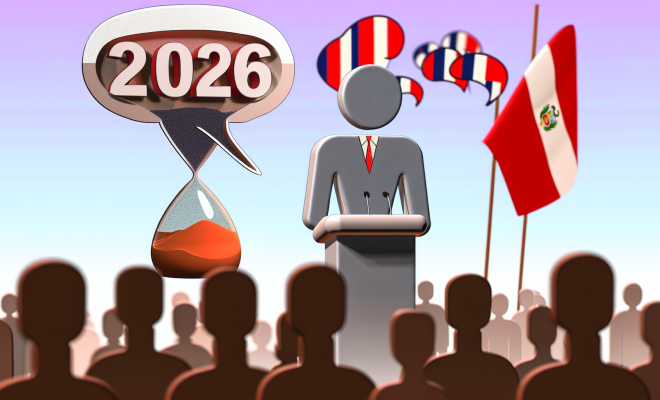
As Peru navigates the tumultuous waters of its 2026 presidential election, a wave of controversy has erupted in the capital, Lima. On April 15, 2026, hundreds of protesters gathered outside the Electoral Tribunal, demanding a rerun of the election due to significant disruptions that marred the voting process. These events highlight the growing tensions surrounding a critical moment in Peru’s democratic journey.
Voting Disruptions and Protests
The backdrop of these protests stems from substantial voting disruptions that occurred on election day. Reports indicate that over 52,000 voters were able to cast their ballots only after delivery failures hindered polling operations, raising questions about the integrity and efficacy of the electoral system. Many of the protesting citizens are supporters of Rafael López Aliaga, one of the candidates in the running, who have been vocal in their dissatisfaction with the current electoral leadership.
Central to the protests is the demand for the resignation of Piero Corvetto, the head of the electoral authority. Protesters argue that Corvetto’s leadership has been inadequate, exacerbating the issues faced during the election. The growing unrest reflects a deepening chasm between the electorate and the officials tasked with ensuring a fair and transparent electoral process.
Tight Race and Slow Ballot Counting
As the situation unfolds, the ballot counting process has extended into its third day, highlighting the complexities and delays that have become emblematic of this election. With only 77 percent of ballots counted, early results show Keiko Fujimori leading the race with 16.86 percent of the vote. Following her are Rafael López Aliaga and Jorge Nieto, amid what has been characterized as a tightly contested election.
This election is particularly significant, as it features mandatory voting for over 27 million citizens, underscoring the importance of a smooth electoral process. The slow pace of ballot counting has not only fueled skepticism among voters but has also deepened the political divides within the country.
Political Implications
The current political climate in Peru is fraught with challenges, and the conduct of this election could have lasting repercussions on the nation’s governance. The protests and calls for a rerun underscore a broader discontent with political leadership, as citizens express frustration over perceived failures in the electoral system.
Moreover, the election is pivotal for the future of Peru, with candidates like Fujimori, whose political lineage stretches back to her father, former President Alberto Fujimori, who remains a controversial figure in Peruvian history. The resurgence of her candidacy raises questions about the direction in which Peru will head, especially in light of the tumultuous political landscape that has seen multiple presidents being ousted in recent years.
Public Sentiment and Future Prospects
The sentiment among the public is increasingly polarized. While Fujimori has her share of supporters, López Aliaga’s camp is equally fervent in their support, as evidenced by the protests and calls for accountability. The interactions between these factions could set the tone for political engagement in Peru moving forward.
As the electoral authorities work to finalize the count and address the disruptions, the implications for governance and public trust are significant. The call for a rerun highlights a critical moment in Peru’s democratic process, where the legitimacy of the government’s actions is tested against the backdrop of widespread civil unrest.
The Role of Electoral Transparency
Amidst the ongoing disputes, the need for transparency in the electoral process is paramount. Citizens are increasingly demanding accountability from their leaders and electoral institutions, a trend that reflects a broader desire for democratic integrity. Ensuring that every vote counts and that the election process is free from disruption is essential for restoring public confidence in Peru’s democratic institutions.
As the situation evolves, the eyes of the world remain on Peru. The outcome of this election will not only determine the country’s leadership for the coming term but will also serve as a litmus test for the health of democracy in the region. With protests continuing and public sentiment growing increasingly vocal, the coming days will be crucial in shaping the future trajectory of Peru’s political landscape.
Conclusion
The 2026 presidential election in Peru stands at a crossroads, with protests underscoring the urgency for electoral reform and accountability. As citizens stand firm in their demands for a fair electoral process, the implications for governance and public trust are profound. The resolution of the ongoing disputes may very well influence the direction of Peru’s democracy for years to come.