What Part Do Libraries Play in the Future of Learning?
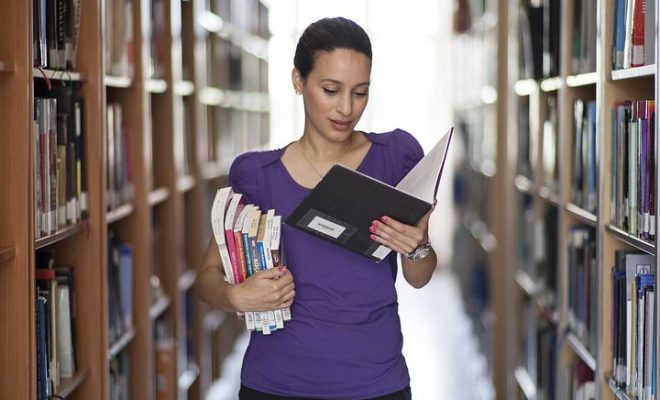
When I was a child, I remember taking walks with my mother to the library to pick out a book or two. If I was lucky, and I was on good behavior, the librarian sometimes allowed me to take out three books from the library. As I grew older in school, I learned about the Dewy Decimal System, and how to find a book by using a library catalog. When I began college about ten years ago, there were floors and floors of somewhat outdated books on the shelves, and although I did not quickly find what I needed, there were books everywhere.
What I did not know then was that even ten years ago, the future of libraries had begun to change. I completed the majority of my research online, and I found myself meeting in the library with classmates to research needed information for group projects. Shortly after I graduated, my university announced it would be completely renovating the library in order to create a more technology-centered library with an increase in spaces for group work.
What I did not know then was that even ten years ago, the future of libraries had begun to change. I completed the majority of my research online, and I found myself meeting in the library with classmates to research needed information for group projects. Shortly after I graduated, my university announced it would be completely renovating the library in order to create a more technology-centered library with an increase in spaces for group work.
What Has Changed in Just the last Five to Ten Years?
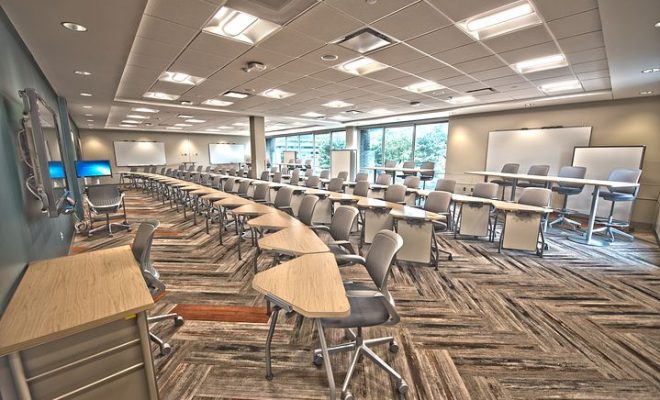
All over the globe libraries have become, and are continuing to become places where learners meet, gather, and collaborate. Gone are the times when learners sat individually at tables and were told “be quiet” because they are being too loud. Although there may be space reserved for individual study, now the majority of new and renovated libraries are featuring collaboration spaces for students. Some libraries have even begun to include juice bars or mini cafes to encourage student collaboration. Group workstations are developing, and large open spaces with wide tables and laptops are becoming the norm, rather than the exception.
What Does the Future of Libraries Look Like?
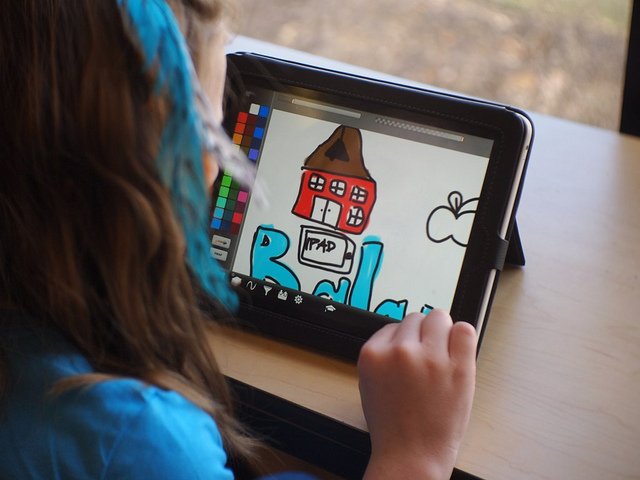
Although printed books still play a critical role in the learning process and in libraries, libraries are becoming spaces that are more focused on the availability of technology, access to online libraries and resources, as well as e-books. Instead of ordering a book from your university library, and waiting for it come from another university, students can request materials online from enormous online university databases. Libraries are becoming furnished with armchairs and iPads. While students are studying in the library, iPads can be “checked out” for individual student use and research. iPads may have numbers or codes on them, just like books.
The Makerspace Movement
In addition to libraries transforming into technology centers with readily accessible iPads and laptops, modern libraries are including what are called “Makerspaces.” Makerspaces are learning centers, that can be as simple as a station with Legos for young learners to creative, invent, and build, or can even be as complex as workshops and stations for various crafts and tradespersons. Makerspaces can even be full and complete labs equipped with 3D printers, laser cutters, and or power and hand tools.
Makerspaces can contain work stations equipped with tools for any trade such as artists, seamstresses, engineers, computer programmers, computer hackers, painters, woodworkers, graphic designers, and more. These stations are becoming popular in new and modern libraries, as libraries become places of cooperation and teamwork, and are falling away from the traditional idea that libraries are quiet places for individual silent work only. Libraries are becoming learning commons for all ages, for artisans, for students, for families, and for all who wish to access the new world of Makerspaces and online learning.
What Is the Future Environment of Libraries?
Due to a shift in pedagogy and new education methods, as well the steady and fast increase in accessibility to modern-day technology, even the environment of the future library is being altered. The present and future of libraries not only include laptops and high-speed internet, but also rooms with whiteboard paint and chalkboard paint and large glass windows to allow sunlight to stream into studies spaces. As we march through the 21st Century, the century of technology, MOOCs, numbered iPads, and SmartBoards are quickly becoming standard in many libraries. Some libraries are including even Apple TV’s and other devices that we would never have found in a library, just 15 years ago.
What Are Some Concerns Regarding the Future of Libraries and Learning?
Some altruistic librarians are clutching their hardback books, and Dewy Decimal System in their hands, as books are becoming less popular in modern libraries. Physical books are being replaced by study spaces, Makerspaces, and computer labs. Although many if not all libraries still hold books on their shelves, the future of libraries is unknown. Will there always be physical books on the shelves of libraries in the year 2050? Maybe. Maybe not. Although there is a danger in books disappearing from libraries altogether, advances in technology are making it more possible to spread information and knowledge at an ever-increasing pace.