Parents, Check Your Kids’ Toys: This Popular Item Could Be a Hidden Hazard
“`html
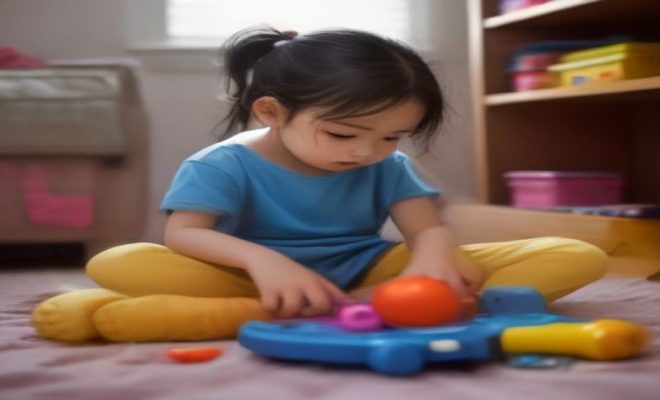
It’s a scenario no parent ever wants to face: discovering that a beloved toy, one that brought countless hours of joy and comfort to your child, could actually be a ticking time bomb. Yet, that’s precisely the unsettling reality many families are grappling with right now. A viral sensation in the world of children’s play, the ‘squishy dumpling’ toy, has become the subject of a widespread recall, igniting serious concerns about product safety. What was once a seemingly innocent, tactile delight has, for some, turned into a source of severe health scares, including hospitalizations and even the tragic potential for death. If your child has one of these popular stress-relief toys, you need to read this immediately.
The Alarming Rise and Sudden Fall of the Squishy Dumpling Craze
For months, these delightful, often cartoonish, squishy dumpling toys dominated social media feeds, particularly TikTok. Their appealing texture, vibrant colors, and satisfying ‘squish’ made them an instant hit with kids and even many adults looking for a bit of stress relief. From classrooms to playgrounds, these little buns and dumplings seemed to be everywhere, a testament to their viral marketing success. Parents, swayed by their children’s enthusiasm and the toys’ apparent harmlessness, readily added them to birthday lists and impulse buys. After all, what could be safer than a soft, squeezable toy?
The problem, as we now know, lies hidden within that enticing squish. Many versions of these popular toys contain water beads – tiny, super-absorbent polymers designed to expand dramatically when exposed to water. While these beads are often marketed for decorative or horticultural purposes, their inclusion in children’s toys, particularly those that can be easily torn or chewed, has proven to be a catastrophic oversight. The sheer scale of their popularity, amplified by social media trends, means that millions of these potentially dangerous items made their way into homes worldwide, creating a silent, widespread hazard.
Understanding the Hidden Threat: Water Beads and Their Deadly Potential
So, what exactly makes these innocent-looking water beads so dangerous? The core issue is their hygroscopic nature – their ability to absorb and retain large amounts of water. When dry, they are often small, sometimes no larger than a pinhead. But introduce them to liquid, and they can swell to many times their original size, transforming into soft, gel-like spheres. Now, imagine a child, curious as they are, inadvertently swallowing one of these tiny beads, perhaps after the toy tears or they manage to chew through the outer casing. It’s a plausible scenario, particularly with younger children who are still prone to mouthing objects.
Once ingested, these beads continue to absorb moisture from the body, expanding within the gastrointestinal tract. This expansion can lead to a horrifying array of complications. At best, it can cause severe discomfort, nausea, and vomiting. At worst, a sufficiently expanded water bead can create a complete intestinal obstruction, blocking the passage of food and waste. This is not just painful; it’s a medical emergency that can necessitate invasive surgery, and without prompt intervention, it can be fatal. The insidious nature of this threat is that symptoms might not appear immediately, making diagnosis challenging and delaying critical treatment. It’s a truly terrifying prospect for any parent.
Beyond Water Beads: The Chemical Conundrum of Some Recalled Children’s Toy Variations
As if the water bead hazard wasn’t enough, some investigations into these viral squishy toys have unearthed another deeply troubling issue: the presence of harmful chemicals. Certain iterations of the recalled children’s toy were found to contain excessive levels of benzene, a known carcinogen. Benzene is a chemical that’s often found in petroleum products and is used in manufacturing. Prolonged or significant exposure to it can lead to serious health problems, including blood disorders like anemia and even an increased risk of cancer.
This discovery adds another layer of complexity and concern to an already alarming situation. It suggests that not only were these toys poorly designed from a physical safety perspective, but some may also have been manufactured with inadequate attention to chemical safety standards. Parents, naturally, expect the products they buy for their children to be free from such dangerous substances. The idea that a child could be unknowingly exposed to a carcinogen through a seemingly innocuous toy is a profound betrayal of trust, underscoring the critical need for rigorous product testing and oversight, especially for items aimed at vulnerable populations like children.
The Brands Under Fire: Identifying the Recalled Children’s Toy Products
It’s crucial for parents to know exactly which products have been flagged. While the ‘squishy dumpling’ style is a general descriptor, specific brands and retailers have been identified in the recall notices. Among the most prominent are GIHNJSI’s Squeezy Dumplings and OKK Trading’s Rainbow Mystery Squishy Bun Toys. These aren’t obscure brands; many of them had a significant presence online and in various retail channels, making their reach extensive.
The challenge with viral products, particularly those that gain traction on platforms like TikTok, is that numerous manufacturers and sellers can quickly jump on the bandwagon, often producing similar-looking items. This ‘fast fashion’ approach to toys can sometimes lead to a diluted sense of accountability and quality control. While the primary recall focuses on the named brands, parents should exercise extreme caution with any squishy toy that fits the general description, especially if it contains water beads. Always check for official recall notices and err on the side of safety if there’s any doubt about a toy’s origin or contents.
The Social Media Amplification: How TikTok Fueled the Frenzy (and the Fall)
The story of the squishy dumpling toy is inextricably linked to social media, particularly TikTok. The platform’s short-form video format is perfectly suited for showcasing visually appealing, tactile products. A child unboxing a new ‘squishy’ or demonstrating its satisfying texture could quickly garner millions of views, creating an almost irresistible urge for other children to acquire one. This rapid virality meant that these toys exploded in popularity far faster than traditional marketing channels ever could have achieved. (See: CDC recalls and safety alerts.)
While social media can be a powerful tool for discovering new products, it also presents challenges for consumer safety. The speed at which trends spread often outpaces the regulatory scrutiny that might normally apply to children’s products. Influencers, often compensated or gifted products, might not have the expertise or responsibility to evaluate safety, and their endorsements can be incredibly persuasive to young audiences. This recall serves as a stark reminder of the double-edged sword of viral trends: they can bring joy and connection, but they can also inadvertently accelerate the distribution of dangerous products before their flaws are widely known.
Immediate Action Required: What to Do If You Own a Recalled Children’s Toy
If you suspect your child has one of these recalled children’s toys, or any squishy toy that appears to contain water beads, immediate action is paramount. The official advice is clear and unequivocal: do not let your child play with it, and do not attempt to repair or tamper with it. The most critical step is to safely dispose of the toy. Manufacturers and safety agencies recommend marking the toy to indicate its recalled status (perhaps with a permanent marker) and then disposing of it in household trash. The marking is an extra precaution to prevent someone else from picking it up and using it.
After disposal, the next step is to contact the respective company for a full refund. For GIHNJSI’s Squeezy Dumplings and OKK Trading’s Rainbow Mystery Squishy Bun Toys, information on how to claim a refund should be available on their websites or through consumer product safety commission websites. It’s important to follow these instructions carefully. While the refund might seem like a small consolation compared to the potential danger, it’s a necessary step in the recall process and ensures accountability for the manufacturers.
Beyond the Individual Recall: Broader Implications for Toy Safety and Regulation
This incident is more than just another product recall; it’s a stark illustration of ongoing challenges in toy safety. The rapid evolution of product trends, coupled with global supply chains and the pervasive influence of social media, means that regulators and consumer watchdogs are constantly playing catch-up. This situation highlights several critical areas for improvement.
Firstly, there’s a clear need for more proactive safety testing, especially for novel materials or components like water beads when incorporated into children’s items. The potential for ingestion and expansion of these beads has been known in other contexts, yet they still found their way into toys. Secondly, the role of social media platforms in product promotion needs closer examination. While they are not product manufacturers, their algorithms can amplify reach without necessarily amplifying safety oversight. Finally, consumers themselves have a role to play. While we trust manufacturers, a healthy skepticism and awareness of common hazards, like small parts or easily ingestible materials, can be life-saving.
The Emotional Toll: Parents Grappling with Guilt and Fear
For parents, discovering that a toy they lovingly provided to their child could have caused harm brings a profound emotional toll. There’s often an immediate surge of fear, followed by questions: Did my child play with this? Did they put it in their mouth? Are they okay? This anxiety is often compounded by a sense of guilt, even though the responsibility for safe product design lies squarely with the manufacturers. It’s an understandable reaction, as our primary instinct is to protect our children.
This recall serves as a powerful reminder that vigilance is an ongoing part of parenthood. It’s okay to feel upset, even angry, about this situation. Channeling those feelings into proactive steps – checking your home for the recalled toy, sharing information with other parents, and advocating for stronger safety standards – can be a constructive way to process these difficult emotions. Remember, you’re not alone in this; countless parents are navigating these same concerns, and collective action can make a difference.
Looking Ahead: Ensuring a Safer Playtime for Our Children
The squishy dumpling recall is a sobering chapter in the ongoing story of children’s product safety. It underscores the critical importance of robust safety standards, vigilant regulatory bodies, and informed consumer choices. For parents, it’s a call to action: remain aware of product recalls, scrutinize the toys that enter your home, and teach children about safe play practices. Encourage open communication so they feel comfortable telling you if a toy is broken or if they’ve ingested something they shouldn’t have.
Ultimately, our children deserve to play in environments that are as safe as possible. This means holding manufacturers accountable, pushing for more stringent testing, and staying informed as parents. While the allure of viral trends can be strong, the safety and well-being of our children must always take precedence. Let this recall be a catalyst for renewed attention to what’s truly inside those appealing packages, ensuring that playtime remains a source of joy, not a cause for alarm.
The Global Ripple Effect: Recalls Beyond Borders
It’s important to recognize that the issue of recalled children’s toys, particularly those that go viral, isn’t confined to a single country. The globalized nature of manufacturing and e-commerce means that a product gaining traction on TikTok in one region can quickly appear for sale worldwide. This creates a complex web of regulatory challenges. Different countries have varying safety standards and recall processes. What’s considered unsafe in the US might still be legally sold elsewhere, at least until a specific recall is issued in that country. This often means that parents in various parts of the world might receive delayed information or struggle to find relevant recall notices for their specific location. (See: New York Times on toy safety recalls.)
For example, while the US Consumer Product Safety Commission (CPSC) is a leading authority, similar bodies exist in Canada (Health Canada), the EU (Safety Gate), Australia (ACCC), and the UK (Office for Product Safety and Standards). Each of these agencies plays a vital role in identifying hazards and issuing recalls within their jurisdictions. The squishy dumpling toy saga has seen recalls initiated by multiple such bodies, highlighting the international scope of the problem. This global reach also complicates the tracking of affected units and ensures all potentially dangerous products are removed from circulation, making consumer vigilance even more critical.
Expert Perspectives: What Safety Advocates and Pediatricians Say
When a recalled children’s toy like the squishy dumpling makes headlines, it draws attention from various experts. Pediatricians are often on the front lines, dealing with the medical consequences. They emphasize the severe danger of ingestion, particularly for water beads, noting that symptoms can mimic common childhood ailments, leading to misdiagnosis and delayed treatment. Dr. Sarah Miller, a pediatrician specializing in emergency medicine, has stated, “We’ve seen cases where parents thought their child had a stomach bug, only to discover a lodged water bead weeks later. The key is early detection and immediate medical attention if ingestion is suspected.”
Consumer safety advocates, on the other hand, often focus on systemic issues. They point to gaps in pre-market testing and the speed with which products, especially those sold online through third-party sellers, bypass traditional safety checks. Organizations like Kids In Danger (KID) or World Against Toys Causing Harm (W.A.T.C.H.) frequently advocate for stronger legislation, better enforcement, and increased manufacturer accountability. They argue that manufacturers should be required to anticipate foreseeable misuse, especially for toys targeting young children, which often includes mouthing or tearing.
Case Studies: Real-World Impacts of Water Bead Ingestion
The dangers of water beads aren’t just theoretical; they have devastating real-world consequences. While specific details about squishy dumpling toy incidents are still emerging, there have been numerous documented cases related to water beads in other contexts. A notable example involved a 10-month-old girl who swallowed a water bead, leading to a bowel obstruction that required surgery and left her with lifelong health complications. Her parents, unaware of the hazard, had bought the beads for sensory play.
Another tragic instance involved a toddler who ingested a water bead, which expanded in her ear canal, causing hearing loss and requiring intricate medical procedures. These stories, though not directly from the squishy dumpling recall, illustrate the profound and varied ways water beads can harm children. They underscore why these materials are simply not suitable for toys, particularly for younger children who explore the world with their mouths. Each case serves as a heartbreaking reminder of why quick and decisive action on recalls is so important.
The E-commerce Challenge: Regulating Online Marketplaces
A significant hurdle in managing the safety of recalled children’s toys, especially those that gain viral traction, is the rise of e-commerce and online marketplaces. Platforms like Amazon, eBay, Etsy, and countless smaller online retailers make it incredibly easy for manufacturers, both legitimate and less scrupulous, to sell products directly to consumers worldwide. This bypasses many of the traditional retail safeguards, where brick-and-mortar stores often have stricter vendor vetting processes.
Regulating these vast online ecosystems is incredibly challenging. Many sellers are based overseas, making legal recourse difficult. Counterfeit products are also rampant, mimicking legitimate brands but often using cheaper, unsafe materials. Furthermore, once a product is recalled, it can be hard to remove it entirely from online listings, as new sellers or even the original ones under different names might continue to offer the item. This places a greater burden on consumers to be diligent, checking seller reviews, product descriptions, and official recall lists before making a purchase, especially for children’s items.
FAQ: Your Questions About Recalled Children’s Toys Answered
Q1: What exactly is a recalled children’s toy?
A recalled children’s toy is any toy that a manufacturer or government agency determines poses a safety risk to children. This risk could be due to choking hazards, toxic chemicals, design flaws leading to injury, or other potential dangers. Once a toy is recalled, consumers are advised to stop using it immediately and follow instructions for disposal and refund.
Q2: How do I know if a toy my child has is part of a recall?
The best way to stay informed is to regularly check official government consumer product safety websites (like CPSC.gov in the US, Health Canada, etc.). These sites list all current recalls with detailed descriptions, photos, and instructions. You can also sign up for email alerts from these agencies. Additionally, reputable news outlets will often report on major recalls. (See: WHO toy safety guidelines.)
Q3: What should I do immediately if I discover my child has a recalled children’s toy?
First, take the toy away from your child immediately and ensure no other children have access to it. Do not attempt to repair it. Follow the specific disposal instructions provided in the recall notice, which usually involves marking it and discarding it in household trash. Then, contact the manufacturer or retailer for instructions on how to receive a refund or replacement.
Q4: My child may have swallowed a water bead. What are the symptoms, and what should I do?
Symptoms of water bead ingestion can vary but may include vomiting, abdominal pain, lethargy, constipation, loss of appetite, or an unexplained change in behavior. Because symptoms can be delayed or mimic other illnesses, if you suspect your child has swallowed a water bead, seek immediate medical attention. Do not wait for symptoms to worsen.
Q5: Are all squishy toys dangerous?
No, not all squishy toys are dangerous. The primary concern with the recalled children’s toy in this article is the presence of water beads or harmful chemicals like benzene. Many squishy toys are made from safe, non-toxic materials and do not contain ingestible components. Always check product labels, buy from reputable retailers, and avoid toys that can easily tear open to reveal small, absorbent components.
Q6: How can I advocate for stronger toy safety regulations?
You can advocate by contacting your elected officials to express your concerns, supporting consumer safety organizations (like Kids In Danger or W.A.T.C.H.), sharing recall information with other parents, and reporting unsafe products to regulatory agencies. Your voice as a consumer and parent holds significant weight.
Q7: What role do social media influencers play in toy safety?
Social media influencers have a powerful role in popularizing toys. While many are responsible, their primary focus is often on entertainment and promotion, not safety testing. Consumers should view influencer endorsements with a critical eye, understanding that a toy’s popularity online doesn’t automatically equate to its safety. Always cross-reference with official safety information.
Q8: What’s the difference between a hazard and a risk?
A hazard is something that has the potential to cause harm (e.g., water beads). A risk is the likelihood that the harm will occur, combined with the severity of the harm (e.g., a high risk of severe harm if a child ingests a water bead). Toy safety regulations aim to eliminate or minimize risks associated with identified hazards.
Q9: How do manufacturers get away with selling unsafe toys?
Often, it’s not intentional malice but rather a combination of factors: inadequate pre-market testing, pressure to quickly bring trendy products to market, complex global supply chains where quality control can be inconsistent, and sometimes, a lack of awareness or oversight regarding specific material dangers (like water beads). The rapid growth of online-only sellers also makes enforcement challenging.
“`
Trending Now
Frequently Asked Questions
What are squishy dumpling toys and why are they dangerous?
Squishy dumpling toys are soft, squeezable items that became popular for their tactile appeal. However, many contain water beads, which pose serious health risks as they can expand dramatically and cause choking hazards if the toy is torn or chewed.
How can I tell if my child's toy is safe?
To ensure your child's toy is safe, check for recalls and safety warnings from manufacturers. Inspect the toy for any signs of damage, particularly tears that could expose harmful materials like water beads, and avoid toys that contain small parts that could be a choking hazard.
What should I do if my child has a recalled toy?
If your child has a recalled toy, stop using it immediately. Follow the manufacturer's instructions for returning or disposing of the toy safely, and consider reporting any incidents to consumer safety authorities to help raise awareness.
Why did squishy dumpling toys get recalled?
Squishy dumpling toys were recalled due to health concerns linked to their water bead components. These beads can cause choking and serious internal injuries if ingested, leading to hospitalizations and, in extreme cases, fatalities.
What alternative toys can I buy for my child?
Consider safer alternatives such as plush toys, silicone fidget toys, or stress balls made without harmful materials. Always check for safety certifications and age-appropriate designs to ensure a safe play experience for your child.
Have you experienced this yourself? We'd love to hear your story in the comments.