Parenting Evolution: Lessons Learned from Raising Three Distinct Children
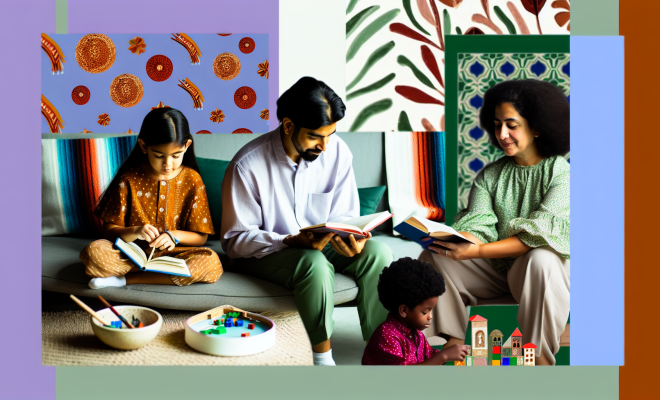
Parenting is a journey filled with unique challenges and experiences, especially when raising multiple children. Each child is different, and often, parents find themselves adapting their approaches to meet each child’s individual needs. A mother’s reflection on her parenting style across her three children sheds light on how her methods evolved, revealing profound insights into the dynamics of parent-child relationships.
The First Child: Anxiety and Hovering
The firstborn often receives the brunt of a parent’s anxieties and uncertainties. For this mother, her first child was no exception. She admits that her parenting style was heavily influenced by her own fears, leading her to adopt an anxious, hovering approach.
With her first child, she was often overprotective, driven by a desire to shield her child from potential harm and disappointment. This resulted in a parenting style characterized by:
- Heightened vigilance – Constantly monitoring her child’s activities and interactions.
- Over-involvement – Intervening in situations that required the child to learn through experience.
- Fear of failure – Instilling a sense of anxiety about making mistakes.
This approach, while well-intentioned, ultimately created an environment where the firstborn faced challenges associated with anxiety. The mother realized that her overprotectiveness may have hindered her child’s ability to develop resilience and confidence.
The Second Child: Overcorrection and Extremes
With the arrival of her second child, the mother found herself in a different predicament. Having learned from her experiences with the first child, she aimed to correct her previous mistakes. However, this led to a new challenge: overcorrection.
In her quest to avoid the pitfalls of anxiety-driven parenting, she swung to the opposite extreme, resulting in a more rigid, controlling approach. This shift manifested in several ways:
- Excessive rules – Implementing strict guidelines to prevent any perceived missteps.
- Less flexibility – Failing to adapt to the unique personality and needs of the second child.
- Pressure to succeed – Unintentionally creating an environment where the child felt the need to meet high expectations.
The mother recognized that while her intentions were rooted in improvement, this approach led to a feeling of suffocation for her second child, who needed space to explore and develop independently.
The Third Child: A Balanced Approach
By the time her third child arrived, the mother had undergone significant personal growth and reflection. Learning from her previous parenting styles, she consciously adopted a more balanced and open approach. She focused on being present, listening, and engaging in real conversations with her child.
Key strategies she implemented included:
- Asking for input – Frequently checking in with her child by asking, “Do you want help or would you prefer to try it alone?” This empowered her child to make choices.
- Embracing discomfort – Allowing her child to sit with uncomfortable feelings without rushing to fix them, fostering emotional resilience.
- Real-time apologies – Acknowledging mistakes in the moment, such as saying, “Hey, I think I handled that wrong. Can we try again?” This openness created a safe space for dialogue and learning.
Through this approach, the third child not only benefited from a nurturing environment but also learned the value of resilience and independence. The mother found herself less concerned with being the perfect parent and more focused on fostering a genuine connection.
Reflections on Parenting Styles
This mother’s journey illustrates the evolving nature of parenting. Each child, while experiencing different parenting styles, developed resilience in their own ways. The first child learned to manage anxiety; the second learned to navigate high expectations, and the third thrived in an environment of support and open communication.
Ultimately, the mother’s experiences highlight several important takeaways for parents:
- Adaptability is key – Recognizing that each child is unique and may require different parenting strategies.
- Continuous learning – Understanding that parenting is a journey filled with lessons and opportunities for growth.
- Open communication – Fostering an environment where children feel safe to express themselves and share their feelings.
In conclusion, the evolution of parenting styles reflects not only the growth of a parent but also the resilience cultivated in each child. While the mother faced challenges along the way, her willingness to learn and adapt ultimately enriched her parenting journey and strengthened her relationships with her children.