Parenting a Child with Avoidant Attachment: Effective Strategies
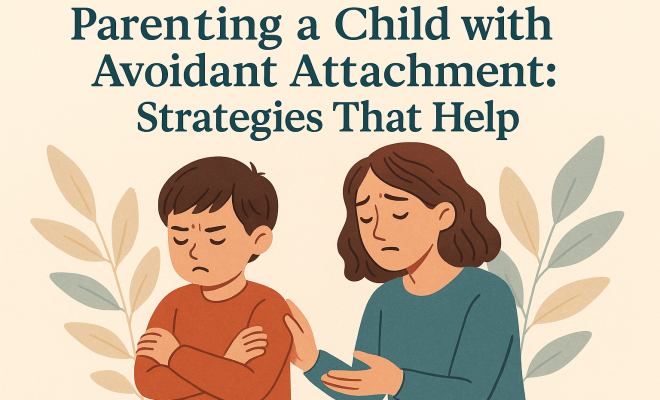
Parenting is never a straightforward journey, but when you’re faced with a child exhibiting signs of avoidant attachment, the path can become particularly challenging. Understanding and applying effective avoidant attachment parenting strategies is crucial for fostering a secure emotional bond with your child. In this article, we’ll explore the intricacies of avoidant attachment, its roots, and practical approaches that can help parents nurture their children’s emotional well-being.
Understanding Avoidant Attachment
Avoidant attachment is one of the four primary attachment styles identified in psychological research. Children who develop this attachment style often appear independent, self-sufficient, and emotionally distant. This behavior is typically a defense mechanism formed in response to caregivers who are inconsistently available or emotionally unavailable. According to psychologist Mary Ainsworth’s Strange Situation experiment, these children tend to avoid closeness with caregivers, exhibiting minimal distress when separated and little interest in reunions.
The roots of avoidant attachment often trace back to early childhood experiences. For instance, if a child frequently encounters a caregiver who is emotionally distant, dismissive, or overly critical, they might learn to suppress emotional needs to avoid rejection. This attachment style can manifest in several ways, such as reluctance to engage in emotional conversations, difficulty trusting others, or an inclination to withdraw from social situations.
Recognizing Signs of Avoidant Attachment
Before implementing any avoidant attachment parenting strategies, it’s essential to recognize the signs of avoidant attachment in your child. Common indicators include:
- Emotional Distance: Your child may seem indifferent to emotional connections, appearing uninterested in close relationships with parents or peers.
- Difficulty Expressing Emotions: They might struggle to articulate feelings, often shutting down during emotional discussions.
- Avoidance of Intimacy: These children may resist physical affection, shying away from hugs or comforting gestures.
- Reliance on Self: They often exhibit a strong sense of independence, preferring to manage challenges on their own rather than seek help.
- Low Self-Esteem: Children with avoidant attachment may harbor negative self-perceptions, feeling unworthy of love or attention.
Identifying these behaviors is a crucial first step toward understanding your child’s emotional landscape and determining how best to support them.
Developing a Secure Base
One of the most effective avoidant attachment parenting strategies is to create a secure base for your child. A secure base allows a child to explore the world while knowing they have a safe and supportive environment to return to. Here are some approaches to establish this secure foundation:
- Consistent Routines: Implementing predictable routines can help your child feel more secure. Regular mealtimes, bedtimes, and family activities create a sense of stability.
- Unconditional Love: Show affection regularly, even if your child seems indifferent. Expressing love through words and actions, despite their reactions, reinforces your commitment.
- Availability: Be present physically and emotionally. Even when your child pushes you away, maintain an open-door policy, allowing them to approach you when they’re ready.
By ensuring that your child knows they are safe and loved, they are more likely to feel confident exploring their emotions and the world around them.
Encouraging Emotional Expression
Encouraging your child to express their emotions can be challenging, particularly for those with avoidant attachment. However, fostering an environment where emotional expression is welcomed is vital. Here are some strategies:
- Modeling Emotional Vulnerability: Share your own feelings with your child in an age-appropriate manner. This demonstrates that it’s okay to express emotions and that everyone experiences them.
- Use Creative Outlets: Engage in creative activities like drawing, storytelling, or music. These outlets can help children express emotions they might struggle to articulate verbally.
- Validate Their Feelings: Acknowledge and validate your child’s feelings, even if they seem trivial. Let them know that their emotions are important and worth discussing.
By encouraging emotional expression, you pave the way for your child to become more comfortable with their feelings and learn that sharing them can lead to stronger relationships.
Promoting Secure Relationships
As a parent, you can actively work to promote secure relationships in your child’s life. Building a network of supportive relationships can help counteract the effects of avoidant attachment: (See: Attachment theory overview.)
- Encourage Friendships: Help your child nurture friendships by arranging playdates or group activities. Positive peer relationships can teach them about trust and intimacy.
- Collaborate with Teachers: Communicate with your child’s teachers about their attachment style. Collaborating can create a supportive environment at school, where teachers can help bolster emotional connections.
- Family Bonding Activities: Engage in family activities that promote cooperation and togetherness. Cooking, board games, or outdoor excursions can strengthen family bonds.
By fostering secure relationships outside of the parent-child dynamic, you help your child learn that connections can be safe and rewarding.
Practicing Patience and Understanding
Patience is key when implementing avoidant attachment parenting strategies. Children with avoidant attachment may take longer to open up and trust others. Here are some ways to practice patience:
- Respect Their Boundaries: If your child resists physical affection or emotional discussions, respect their boundaries. Pressuring them can cause further withdrawal.
- Celebrate Small Wins: Acknowledge and celebrate small steps your child takes towards emotional expression or intimacy. Recognizing progress, no matter how minor, can motivate them.
- Practice Self-Care: Caring for a child with avoidant attachment can be emotionally taxing. Prioritize your wellbeing to maintain the patience and resilience needed to support your child.
Understanding that progress may be slow helps you maintain a perspective focused on growth rather than frustration.
Seeking Professional Support
In some cases, professional help may be necessary to effectively address issues related to avoidant attachment. Here are some avenues to consider:
- Family Therapy: Engage a family therapist who specializes in attachment issues. Therapy can provide a safe space for family members to express themselves and learn healthier communication strategies.
- Individual Therapy: Depending on your child’s age, individual therapy might be beneficial. A therapist can work with your child to explore their feelings and develop coping mechanisms.
- Parent Consultation: Parents can benefit from consulting with child psychologists who can provide tailored parenting strategies and advice.
Professional support can offer insights and tools that may be beyond the scope of standard parenting techniques.
Fostering a Growth Mindset
Encouraging a growth mindset in your child can help them reframe their thoughts about emotional connection and vulnerability. Here’s how to foster this mindset:
- Encourage Risk-Taking: Reinforce the idea that taking emotional risks can lead to growth and deeper relationships. Encourage them to step outside their comfort zone.
- Normalize Mistakes: Teach your child that everyone makes mistakes and that failure is a part of learning. This normalization can reduce their fear of vulnerability.
- Focus on Effort: Praise your child for their effort rather than just their achievements. Emphasizing effort can help boost their self-esteem and encourage them to try.
By fostering a growth mindset, you help your child develop resilience, making it easier for them to navigate social and emotional challenges.
Creating a Supportive Environment
Lastly, creating a supportive environment goes beyond individual strategies. It requires a holistic approach where the entire family participates in nurturing emotional health. Consider these tips: (family engagement strategies)
- Open Communication: Foster open lines of communication within the family. Encourage everyone to share their feelings and thoughts without fear of judgment.
- Inclusive Family Activities: Engage in activities that promote teamwork and cooperation. This could include family projects or community service, which can bond family members.
- Positive Reinforcement: Celebrate behaviors that promote emotional connection and vulnerability. Reinforce the idea that it’s okay to seek help and express feelings.
A supportive environment sets the stage for emotional health, allowing your child to feel more secure in their relationships and less inclined to revert to avoidant behaviors.
The Long-Term Impact of Avoidant Attachment
It’s really important to understand that avoidant attachment isn’t just a childhood phase; it can have lasting effects on a person’s life if not addressed. Children with this attachment style often grow into adults who struggle with intimacy and emotional connection. They might find it hard to form deep, meaningful relationships, whether romantic or platonic. For example, an adult with avoidant attachment might unconsciously push partners away when things start getting serious, or they might feel uncomfortable with emotional vulnerability in a relationship, preferring to keep things light and independent. This isn’t because they don’t want connection, but because their early experiences taught them that emotional closeness leads to pain or rejection. They’ve learned to rely solely on themselves, which can be isolating. Understanding this long-term trajectory helps parents realize the profound impact of their efforts in implementing effective avoidant attachment parenting strategies now. Addressing these issues early can break the cycle and help them build healthier relationship patterns in adulthood. (See: Parenting and children's mental health.)
Distinguishing Avoidant from Other Attachment Styles
While we’re focusing on avoidant attachment, it’s helpful to briefly touch on the other attachment styles to see why avoidant stands out. Securely attached children, for instance, are comfortable with intimacy, trust their caregivers, and can regulate their emotions pretty well. They miss their parents when they’re gone but are easily comforted upon reunion. Anxious-preoccupied children, on the other hand, are often clingy, worried about abandonment, and might be overly dependent. They get very distressed when separated and are hard to soothe. Disorganized attachment is a mix, showing inconsistent and often fearful behavior towards caregivers, usually stemming from frightening or unpredictable parenting. Avoidant attachment is distinct because of its emphasis on emotional suppression and independence. These kids actively avoid closeness, whereas anxious kids crave it intensely, and secure kids navigate it naturally. Recognizing these differences helps parents pinpoint exactly what they’re dealing with and why specific avoidant attachment parenting strategies are needed.
Practical Scenarios: Applying Strategies in Daily Life
Let’s make this more concrete with some examples of how these strategies play out. Imagine your child falls and scrapes their knee. A child with avoidant attachment might quickly get up, brush it off, and say “I’m fine!” even if they’re clearly in pain. Instead of forcing comfort, you could say, “Wow, that looks like it stings. It’s okay to feel upset when you get hurt. I’m here if you need a hug, or just want to sit quietly with me.” This validates their experience without demanding a specific emotional response. Or perhaps your child gets a bad grade at school and immediately wants to change the subject when you ask about it. You could try, “I noticed your math grade wasn’t what you hoped for. It’s tough when things don’t go our way. I’m not mad, I just want to understand if there’s anything I can do to help you feel better about it.” The key is consistent, gentle invitations for connection, respecting their pace, and showing that emotional vulnerability won’t lead to negative consequences.
The Role of Parental Self-Reflection
An important part of implementing avoidant attachment parenting strategies involves parents looking inward. Sometimes, our own attachment styles and childhood experiences can unconsciously influence how we interact with our children. If a parent themselves has an avoidant attachment style, they might inadvertently reinforce similar behaviors in their child. For example, they might also struggle with emotional expression, making it harder to model vulnerability. Taking time for self-reflection, perhaps through journaling or even therapy for the parent, can uncover these patterns. Understanding your own triggers and reactions helps you respond to your child more consciously and effectively, rather than reacting from old wounds. It’s about breaking generational cycles and choosing a different path for your child.
Addressing Common Misconceptions
There are a few myths floating around about avoidant attachment that we need to clear up. First, it’s not about the child being “bad” or “manipulative.” Their behavior is a coping mechanism, a way their young brains learned to protect themselves from perceived emotional threat. Second, it’s not that they don’t love you. They simply struggle to express that love or accept yours in return because of their past experiences. Third, it’s not a life sentence. While it takes time and effort, children with avoidant attachment can absolutely develop more secure attachment patterns. These strategies are all about providing the consistent, loving, and emotionally available environment they initially lacked, giving them a chance to rewrite their internal script about relationships.
Understanding the Brain Science Behind Attachment
It helps to understand a little about what’s going on in the brain. Early attachment experiences actually shape brain development, particularly in areas related to emotion regulation, stress response, and social interaction. When a child experiences consistent emotional unavailability, their brain adapts by developing neural pathways that prioritize self-reliance and emotional suppression. The amygdala, involved in fear and stress, might be overactive, while the prefrontal cortex, responsible for executive functions and emotional regulation, might have underdeveloped connections for processing social cues and emotional intimacy. The goal of avoidant attachment parenting strategies is to literally help rewire these pathways. By consistently providing a secure, predictable, and emotionally responsive environment, we help build new, healthier neural connections that support secure attachment. This isn’t just about behavior change; it’s about brain change.
Preventative Measures for New Parents
For new parents or those expecting, understanding attachment theory can be incredibly empowering. While you can’t guarantee a specific outcome, you can certainly stack the deck in favor of secure attachment. This means being responsive to your baby’s cries, offering comfort, engaging in plenty of eye contact and gentle touch, and being emotionally present. It’s about tuning into your baby’s cues and meeting their needs consistently, even when it’s exhausting. If you find yourself struggling with emotional availability due to stress, postpartum depression, or other challenges, seeking support for yourself is crucial. A secure parent is better equipped to foster secure attachment in their child. These proactive steps, if possible, can significantly reduce the likelihood of avoidant attachment developing in the first place.
Parenting a child with avoidant attachment presents unique challenges, but with the right approach and avoidant attachment parenting strategies, you can help your child develop healthier emotional connections. Focus on consistency, open communication, and emotional validation to foster a nurturing environment that encourages your child to thrive.
Frequently Asked Questions About Avoidant Attachment Parenting Strategies
What exactly is avoidant attachment in children?
Avoidant attachment is an attachment style where a child appears overly independent, self-reliant, and emotionally distant from their primary caregivers. They tend to minimize emotional displays, often seeming unfazed by separation and avoiding closeness during reunions. This isn’t a sign of indifference, but rather a coping mechanism developed in response to caregivers who were consistently emotionally unavailable or dismissive of their emotional needs.
How early can I start recognizing signs of avoidant attachment?
Signs can emerge as early as infancy, typically around 12-18 months, which is when attachment styles become more solidified. In babies, you might notice a lack of distress when separated from a parent, or an active avoidance of contact upon reunion. As toddlers and preschoolers, they might resist comfort, prefer playing alone, or seem unusually self-sufficient for their age. The earlier you observe these patterns, the sooner you can implement avoidant attachment parenting strategies.
Is it possible to change an avoidant attachment style?
Absolutely! Attachment styles are not fixed for life. While early experiences lay a strong foundation, consistent, loving, and responsive parenting can absolutely help a child move towards a more secure attachment. It requires patience, persistence, and a willingness to offer the emotional availability and validation they may not have received previously. These strategies are all about creating a corrective emotional experience.
My child pushes me away when I try to hug them. What should I do?
This is a very common behavior for children with avoidant attachment. The best approach is to respect their boundary while still offering connection. Instead of forcing a hug, you could say, “I see you don’t want a hug right now, and that’s okay. I just want you to know I love you and I’m here if you change your mind, or if you just want to sit next to me.” Offer alternative forms of closeness that feel less intrusive, like reading a book together, doing a puzzle, or simply being in the same room. Consistency in your gentle invitations is key.
How do I balance encouraging independence with fostering connection?
This is a delicate balance. Children with avoidant attachment often already have a strong sense of independence, but it’s often born out of necessity rather than true security. You want to foster *secure* independence, which means they feel capable but also know they have a safe base to return to. Encourage them to try new things and solve problems, but always make it clear you’re available for support if they need it. Say things like, “You’re doing a great job figuring that out. Let me know if you get stuck, I’m right here.” This shows faith in their abilities while maintaining an open door for connection.
What if I, as a parent, have an avoidant attachment style?
This is a really insightful question and a common scenario. If you have an avoidant attachment style yourself, you might unconsciously struggle with emotional expression or providing consistent emotional availability. The good news is that recognizing this is the first and most powerful step. Consider seeking individual therapy for yourself to process your own attachment history and learn healthier emotional regulation and communication skills. Working on your own attachment style will directly benefit your ability to implement effective avoidant attachment parenting strategies for your child.
How important is consistency in routines for a child with avoidant attachment?
Consistency is incredibly important. Predictable routines create a sense of safety and control for children who might feel uncertain about emotional availability. Knowing what to expect in their daily life reduces anxiety and allows them to relax into the structure. This emotional predictability can then extend to their relationships, helping them feel more secure in the consistency of your presence and affection.
Should I talk to my child about their attachment style?
Generally, it’s not recommended to label your child’s attachment style directly, especially when they are young. Instead, focus on describing behaviors and feelings in an age-appropriate way. For an older child or teenager, you might discuss how different people express emotions differently and how some people find it harder to share feelings. The goal is to open a dialogue about emotions and relationships, not to give them a psychological diagnosis. If professional help is involved, a therapist might guide how and when to discuss these concepts.
What if my child seems to regress after making progress?
Progress isn’t always linear, especially when dealing with deep-seated emotional patterns like attachment. Regression can happen due to stress, a change in routine, or simply because healing is a complex process. Don’t view it as a failure. Instead, redouble your efforts with the core avoidant attachment parenting strategies: consistency, emotional availability, and validation. Reassure your child that it’s okay to have tough days and that you’re still there for them. Patience and understanding during these moments are crucial.
Trending Now
Frequently Asked Questions
What are the signs of avoidant attachment in children?
Signs of avoidant attachment in children include emotional distance, difficulty expressing emotions, reluctance to engage in emotional conversations, and an inclination to withdraw from social situations. These behaviors often stem from early experiences with caregivers who are emotionally distant or inconsistent.
How can parents help a child with avoidant attachment?
Parents can help a child with avoidant attachment by providing consistent emotional support, encouraging open communication about feelings, and creating a safe space for emotional expression. Implementing strategies that foster emotional bonding is crucial for nurturing their emotional well-being.
What causes avoidant attachment in children?
Avoidant attachment in children is typically caused by experiences with caregivers who are emotionally unavailable, dismissive, or overly critical. These children learn to suppress their emotional needs to avoid rejection, leading to their independent and distant behavior.
How does avoidant attachment affect relationships?
Avoidant attachment can significantly affect relationships by causing individuals to struggle with intimacy, trust, and emotional closeness. They may have difficulty engaging in emotional conversations and may withdraw from social interactions, impacting their ability to form secure connections.
What is the impact of avoidant attachment on emotional development?
Avoidant attachment can hinder emotional development by preventing children from learning how to express and manage their feelings effectively. This can lead to challenges in forming healthy relationships and may result in long-term emotional difficulties as they grow older.
What's your take on this? Share your thoughts in the comments below — we read every one.