Master the Rubik’s Cube: A Comprehensive 2024 Guide
“`html
Ever looked at a Rubik’s Cube and felt a mix of curiosity and frustration? The colorful puzzle has captivated millions since its introduction in the 1970s, becoming a symbol of both challenge and ingenuity. For many, the question looms large: how to solve a Rubik’s cube? Whether you’re a beginner or looking to refine your skills, this comprehensive guide breaks down the process into manageable steps. Let’s dive into the colorful world of the Rubik’s Cube!
1. The Origins of the Rubik’s Cube
The Rubik’s Cube was invented in 1974 by Hungarian architect Ernő Rubik. Initially called the “Magic Cube,” it was meant to be a teaching tool for understanding three-dimensional geometry. However, it became a global phenomenon, with millions sold worldwide. What makes this cube so fascinating is not just its vibrant colors but also the cognitive challenge it presents. Today, it remains one of the best-selling puzzles of all time, demonstrating its broad appeal across generations.
In the 1980s, the cube exploded in popularity, largely due to a surge of interest in puzzle-solving. Competitions began popping up across the globe, leading to the establishment of official Rubik’s Cube championships. Fast forward to today, the cube is not only a staple in pop culture but also a tool for enhancing problem-solving skills and cognitive function.
2. Understanding the Cube’s Structure
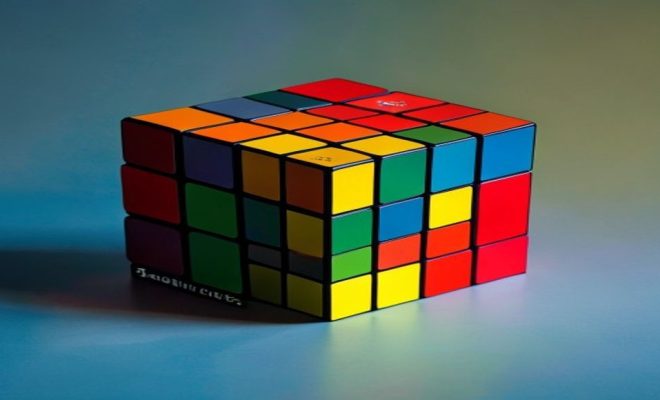
Before diving into solving techniques, it’s essential to understand the cube’s mechanics. The traditional Rubik’s Cube consists of six faces, each made up of nine stickers. Each face can turn independently, allowing for numerous permutations. There are 43 quintillion possible configurations, which makes solving it a challenge even for experienced puzzlers.
The cube has a core that holds all the pieces together, allowing smaller pieces—called edge and corner pieces—to rotate. Knowing this structure is crucial because it allows you to visualize movements and predict outcomes while you work through the solving process. It’s like learning the anatomy of a complex machine before you attempt to fix it.
3. The Beginner’s Method: Layer by Layer
For those just starting, the layer-by-layer method is one of the simplest and most popular techniques. This approach breaks the solving process down into three main stages: solving the first layer, the middle layer, and then the last layer. Each layer is tackled sequentially, which simplifies the overall task.
Start with the first layer by creating a cross on one face, ensuring that the edge pieces’ colors match the center pieces of the adjacent faces. Next, position the corner pieces to complete the first layer. Once the first layer is complete, move on to the middle layer by positioning the edge pieces correctly. Last but not least, the final layer requires specific algorithms to orient and position the remaining pieces correctly. By mastering each layer, you develop a strong foundation that can lead to more advanced techniques.
4. Essential Algorithms for Solving
Algorithms are sequences of moves that accomplish a specific task on the cube. Learning these algorithms is crucial for solving the Rubik’s Cube efficiently. For beginners, focusing on a few basic algorithms can significantly speed up the solving process. Here are three fundamental algorithms to get you started:
- Right Trigger (R U Ri U R U2 Ri): This algorithm is useful for positioning corners.
- Left Trigger (L Ui Li U L U2 Li): A variation that works on the opposite side.
- OLL (Orientation of Last Layer): A collection of algorithms to orient the last layer pieces correctly.
As you progress, you’ll encounter more advanced algorithms, especially in the last layer solving stage. The difference between solving the cube in minutes and seconds often lies in your familiarity with these algorithms, so practice is key.
5. Speedcubing: Techniques for the Fastest Solves
If you’ve grasped the basics and want to take your skills to the next level, you might be curious about speedcubing. This competitive subculture emphasizes not only how to solve a Rubik’s Cube but how to do it in the least amount of time possible. Speedcubers often use advanced strategies like the CFOP method (Cross, F2L, OLL, PLL), which focuses on optimizing each step for speed. (See: Wikipedia article on Rubik's Cube.)
In speedcubing, finger tricks play a significant role. These are specialized movements that allow cubers to manipulate the cube quickly without losing grip or control. Practicing these finger tricks can dramatically reduce your solving time. Additionally, timing your solves with a stopwatch or specialized apps helps track progress and refine techniques.
6. Common Mistakes to Avoid
Even seasoned cubers can fall prey to common pitfalls. One major mistake is rushing through the layers without fully understanding the previous step. Remember, quality over speed is crucial, especially in the early stages. If you skip understanding the first layer, it can cause confusion later when you’re trying to solve the remaining parts.
Another issue is failure to practice algorithms regularly. Just like learning a musical instrument, repetition is key to muscle memory. Make it a habit to practice, even if it’s just a few minutes a day. Lastly, avoid becoming overly reliant on online tutorials without putting in personal effort. Combining different learning methods—like videos, books, and hands-on practice—will solidify your understanding and skills.
7. The Community: Joining the Rubik’s Cube Movement
The Rubik’s Cube community is vibrant and inclusive, offering numerous resources for learners and enthusiasts alike. From online forums to local clubs, there are countless ways to connect with fellow cubers. Websites like SpeedSolving.com offer a platform to discuss techniques, share tips, and even compete in virtual competitions.
Social media has also played a significant role in the cube’s resurgence. Platforms like YouTube and TikTok are flooded with tutorials, speed-solving showcases, and tips shared by expert cubers. Engaging with these communities not only deepens your understanding but also keeps you motivated as you progress on your journey of how to solve a Rubik’s cube.
8. Beyond the Cube: Variations and Other Puzzles
Once you’ve mastered the traditional 3×3 Rubik’s Cube, you might find yourself wondering about other variations. Cubes come in numerous shapes and sizes, including 2×2 (Pocket Cube), 4×4 (Rubik’s Revenge), and even more complex puzzles like the Megaminx and Pyraminx. Each variant presents unique challenges and requires different techniques to solve.
Exploring these variations can significantly improve your problem-solving skills and cognitive flexibility. Plus, they keep the puzzle-solving experience fresh and exciting. Many cubers enjoy the challenge of mastering several types of puzzles, each offering a unique twist on the traditional Rubik’s Cube experience.
9. Advanced Techniques: Learning from the Pros
Once you’ve grasped the fundamentals, exploring advanced techniques can dramatically enhance your solving speed and efficiency. For example, the Roux method is a popular alternative to CFOP among speedcubers, focusing on building blocks rather than layers. It includes fewer moves overall and can be faster for those who master it. Many top speedcubers also rely on the ZZ method, which emphasizes edge orientation early in the solving process to streamline the last layer.
These methods often require a solid understanding of algorithms and intensive practice, but adopting them can be transformative. A well-rounded cuber might apply elements from various methods, customizing their approach to suit their style and preferences. If you aim to compete, familiarizing yourself with these advanced techniques can make a significant difference in your performance.
10. Statistics and Records in Speedcubing
The world of speedcubing is filled with impressive statistics and records that can motivate cubers to improve their skills. As of 2023, the world record for the fastest solve of a 3×3 Rubik’s Cube is held by Yusheng Du, with an astonishing time of just 3.47 seconds. This record highlights the peak of human capability and the dedication of speedcubers worldwide. (See: Harvard University resources on cognitive skills.)
In addition to individual records, competitions like the World Cube Association (WCA) organize events globally, showcasing the talents of thousands of participants. The events not only include traditional cubes but also a variety of other puzzles, such as 2×2, 4×4, and even blindfolded categories. Collectively, these events contribute to a thriving community where enthusiasts can share techniques, learn from one another, and celebrate achievements.
The statistics surrounding average solves can also be enlightening. Top competitors often achieve average solve times under 6 seconds, while casual cubers might take anywhere from 30 seconds to several minutes. Understanding where you fit within this spectrum can help set realistic goals and motivate you to improve.
11. Frequently Asked Questions about the Rubik’s Cube
Q1: Is it possible to solve a Rubik’s Cube without any prior knowledge?
A1: Absolutely! Many beginners successfully solve the Rubik’s Cube by following guides and learning the basic algorithms step by step. It may take some practice, but it’s definitely achievable!
Q2: How long does it take to learn how to solve a Rubik’s Cube?
A2: The time it takes varies by individual. Some people learn the basic layer-by-layer method in a few days, while others might take weeks to master algorithms and speedcubing techniques. Consistent practice will speed up the learning process.
Q3: What is the best way to practice solving a Rubik’s Cube?
A3: The best approach is to practice regularly and incorporate timed solves to track your progress. You can also engage with online communities to share tips, video tutorials, and challenges that can enhance your skills.
Q4: Do I need a special cube for speedcubing?
A4: While you can start with a standard Rubik’s Cube, many speedcubers prefer specially designed cubes that turn more smoothly and have adjustable tensions. These cubes can make a significant difference in your solving speed and comfort.
Q5: What resources can help me learn how to solve a Rubik’s Cube?
A5: There are plenty of resources available, including online tutorials, books, and mobile apps dedicated to teaching the Rubik’s Cube. You can also join clubs, attend workshops, or watch videos from experienced cubers for further guidance.
12. The Psychological Benefits of Solving Puzzles
Engaging with puzzles like the Rubik’s Cube offers several psychological benefits. For one, it enhances cognitive skills such as problem-solving, critical thinking, and spatial reasoning. Research has shown that regularly solving puzzles can improve memory and concentration, making it a great mental workout.
Moreover, solving a Rubik’s Cube can provide a sense of accomplishment. The satisfaction of completing the puzzle after a significant effort can boost self-esteem and motivate you to tackle other challenges in life. Additionally, it can serve as a stress-reliever, providing a focused activity that allows your mind to shift away from daily stresses. (See: Scientific articles on puzzle-solving.)
13. Developing Patience and Persistence
Learning how to solve a Rubik’s Cube can be a test of patience and persistence. Many beginners experience frustration when they can’t seem to grasp the techniques or complete the cube. This challenge is not just about the puzzle itself; it’s a reflection of broader life skills. Embracing the struggle can foster resilience, teaching you that perseverance pays off.
As you practice, you’ll find that the process becomes less daunting. Each failure is an opportunity to learn and improve. This mindset will serve you well beyond the cube, impacting various aspects of your life, from academics to career challenges. Remember, the journey to mastering the Rubik’s Cube is as valuable as the final solved state.
14. How to Choose Your First Cube
If you’re new to the Rubik’s Cube, selecting your first cube can significantly impact your learning experience. The standard 3×3 cube is a great starting point, but there are many options available. Consider looking for a cube that is specifically designed for beginners, which typically features smoother turning and better corner cutting. Some popular beginner brands include MoYu and Gan, which offer cubes that are both affordable and user-friendly.
Pay attention to the cube’s tension and magnet strength as well. A cube with adjustable tension allows you to customize the feel according to your preference, making it easier to learn and solve. Additionally, magnetic cubes can help stabilize the layers during turns, which is beneficial for both beginners and advanced cubers alike.
15. Exploring Offshoots: Beyond Standard Cubes
Once you’ve mastered the classic Rubik’s Cube, you might feel inspired to explore its offshoots. There are countless variations, such as the Skewb, Squanx, and even shape-shifting puzzles that add additional complexity. Each variation presents a unique challenge and helps to enhance your spatial reasoning and problem-solving skills further.
The world of cubing is continually evolving, with new designs and challenges emerging regularly. This keeps the experience fresh, allowing you to further challenge yourself and engage with the community. Many cubers enjoy collecting different styles of cubes, each offering new puzzles to solve and diverse techniques to learn.
In essence, solving a Rubik’s Cube is not just about getting the colors aligned; it’s about engaging your mind, developing patience, and honing your problem-solving skills. With practice, the right techniques, and a supportive community, you’ll be well on your way to mastering this iconic puzzle and impressing friends and family alike. So grab your cube, and let’s get solving!
“`
Trending Now
Frequently Asked Questions
How do you solve a Rubik's Cube step by step?
To solve a Rubik's Cube step by step, start by learning the basic notation and familiarize yourself with its structure. Then, follow a systematic approach: solve the first layer, align the edges of the middle layer, and finally, complete the last layer using specific algorithms to position the pieces correctly.
What are the basic methods to solve a Rubik's Cube?
The most common methods to solve a Rubik's Cube include the Layer-by-Layer (LBL) method, where you solve each layer sequentially, and the CFOP method (Cross, F2L, OLL, PLL), which is popular among speedcubers for its efficiency. Each method has its own set of algorithms to memorize.
Why is the Rubik's Cube so popular?
The Rubik's Cube is popular due to its challenging nature, vibrant colors, and the cognitive skills it enhances. Since its introduction in the 1970s, it has captivated people of all ages, leading to competitions and a community that thrives on sharing solving techniques and strategies.
What is the fastest way to solve a Rubik's Cube?
The fastest way to solve a Rubik's Cube typically involves the CFOP method, which allows experienced solvers to complete the puzzle in under 10 seconds. This method requires memorizing various algorithms and practicing finger tricks to improve speed and efficiency.
Can anyone learn to solve a Rubik's Cube?
Yes, anyone can learn to solve a Rubik's Cube! With practice and the right techniques, beginners can understand the basic methods and algorithms. There are numerous resources available, including guides, videos, and apps, making it accessible for people of all ages.
What did we miss? Let us know in the comments and join the conversation.