Overwatch – Blizzard’s Team-Based Shooter That Redefined the Genre
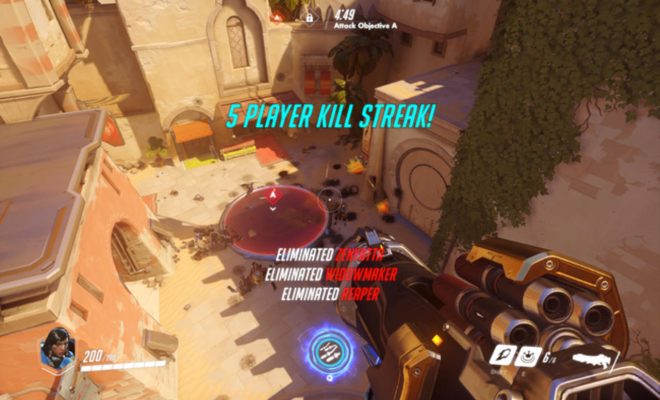
Overwatch, developed and published by Blizzard Entertainment, burst onto the gaming scene in 2016, quickly establishing itself as a fresh and exciting take on the team-based shooter genre. With its colorful cast of heroes, emphasis on teamwork, and polished gameplay, Overwatch has become a staple of both casual and competitive gaming scenes.
At its core, Overwatch is a 6v6 team-based first-person shooter. What sets it apart is its diverse roster of heroes, each with unique abilities and playstyles. These heroes are divided into three main roles: Damage, Tank, and Support. This class-based system encourages players to work together, combining their heroes’ abilities to outmaneuver and outplay the opposing team.
The game’s art style is one of its most striking features. Bright, vibrant colors and exaggerated character designs give Overwatch a distinct visual identity that sets it apart from more realistic shooters. This approachable aesthetic, combined with tight, responsive gameplay, makes the game accessible to newcomers while still offering depth for more experienced players.
Overwatch’s focus on teamwork is central to its design. While individual skill is important, the game truly shines when players coordinate their efforts. A well-timed ultimate ability can turn the tide of a match, but it’s the combination of different heroes’ abilities that leads to the most spectacular plays. This emphasis on cooperation has fostered a strong sense of community among players.
The game launched with a variety of game modes, including payload escort, point capture, and control point modes. Over time, Blizzard has added new modes, maps, and heroes, keeping the game fresh and exciting for long-time players. Seasonal events introduce limited-time game modes and cosmetic items, giving players reasons to return regularly.
One of Overwatch’s most significant contributions to the gaming landscape is its approach to storytelling. While the game itself doesn’t have a traditional single-player campaign, Blizzard has built a rich universe around the game through animated shorts, comic books, and in-game lore. This transmedia approach to storytelling has helped players form strong connections with the game’s characters, even in a multiplayer-focused experience.
The game’s competitive scene has flourished since its release. The Overwatch League, launched in 2018, brought a city-based franchise model to esports, mimicking traditional sports leagues. This approach has helped to legitimize esports in the eyes of mainstream audiences and attract significant investment from both endemic and non-endemic sponsors.
Overwatch’s monetization model has also been influential. The game launched as a full-price title but has sustained itself through the sale of loot boxes containing cosmetic items. While this model has faced criticism and regulatory scrutiny in some regions, it has become a common approach in the games-as-a-service era.
The game’s success has not been without challenges. Balancing such a diverse cast of heroes is an ongoing process, with Blizzard regularly tweaking abilities and stats to maintain competitive integrity. The introduction of role queue to ensure balanced team compositions was a significant change that altered how the game is played at all levels.
Overwatch’s impact on the gaming industry extends beyond its own success. It has influenced character design in other games, with many titles adopting a similar “hero shooter” approach. Its emphasis on diversity and inclusion in its character roster has also been praised and emulated by other developers.
In 2022, Blizzard released Overwatch 2, a sequel that builds upon the foundation of the original game while introducing new heroes, maps, and a revised 5v5 format. This release marks a new chapter in the Overwatch story, aiming to reinvigorate the franchise and attract a new generation of players.
From its polished gameplay and distinctive art style to its impact on esports and game monetization, Overwatch has left an indelible mark on the gaming landscape. As the franchise continues to evolve, it remains a shining example of how thoughtful design and ongoing support can create a lasting and beloved gaming experience.