Summer 2026: Reshaping Global Travel Amid Rising Costs
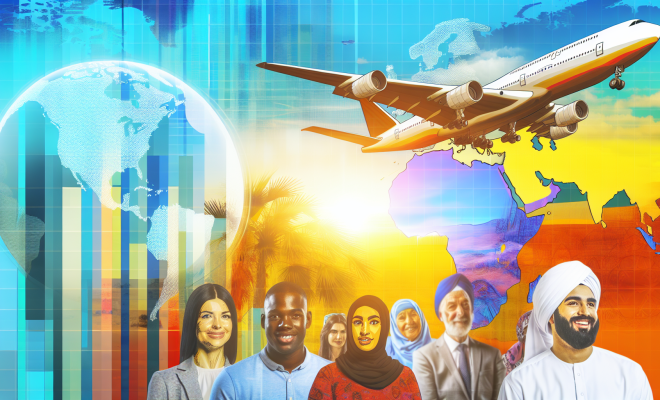
The travel industry is on the brink of a significant transformation as it gears up for the summer of 2026. With soaring airfares and a rise in various travel fees, travelers are finding themselves navigating a complex landscape that demands careful planning and adaptability. As economic pressures mount, travel patterns are shifting, urging both industry players and travelers to rethink their approaches to international journeys.
Soaring Airfares: The New Norm
One of the most notable trends emerging for summer 2026 is the sharp increase in airfares. According to industry analysts, ticket prices are expected to reach unprecedented levels due to a combination of factors including inflation, rising fuel costs, and a surge in demand as the world continues to recover from the global pandemic. Travelers are facing an environment where:
- Average airfares are projected to rise significantly compared to pre-pandemic levels.
- Budget airlines are adjusting their pricing models, leading to higher fares for what used to be low-cost options.
- Economy class tickets may not be as economical as they once were, prompting travelers to reevaluate their travel budgets.
Rising Fees: A Costly Addition
Alongside soaring airfares, travelers are encountering an array of surging fees that add to the overall cost of travel. From baggage fees to surcharges for seat selection, these additional expenses can catch many travelers off guard. The following fees are becoming increasingly common:
- Baggage fees: Many airlines are enforcing stricter baggage policies, often charging significant fees for checked luggage.
- Service fees: Booking through travel agencies or online platforms may incur additional service charges that can inflate the total price.
- In-flight charges: Amenities that were once complimentary, such as meals and entertainment, are now often subject to fees.
As these costs rise, travelers are being encouraged to conduct thorough research and budget accordingly to avoid unexpected expenses.
Shifting Travel Patterns: Where Are We Going?
The landscape of global travel is also undergoing significant changes, with travelers showing a growing preference for certain destinations over others. Some key observations include:
- Emerging destinations: Less traditional locations are gaining popularity as travelers seek unique experiences that diverge from crowded tourist spots.
- Sustainable travel: There is a noticeable increase in demand for eco-friendly travel options, prompting airlines and travel companies to adapt their offerings.
- Last-minute bookings: With the unpredictability of travel costs, many travelers are opting for last-minute trips to take advantage of deals as they arise.
These shifting patterns reflect a broader desire among travelers for more personalized and meaningful travel experiences.
The Role of Technology in Travel Planning
As travelers navigate this new era of travel, technology is playing a crucial role in helping them make informed decisions. The rise of travel apps and online platforms is enabling travelers to:
- Compare prices: Users can easily compare airfare, accommodation, and activities to find the best deals.
- Access real-time information: Travelers can monitor changes in flight schedules, cancellations, and other vital updates instantly.
- Plan itineraries: Advanced planning tools allow travelers to create detailed itineraries that accommodate fluctuating prices and availability.
In this dynamic environment, technology serves as a valuable ally for travelers seeking to maximize their experiences while managing costs.
Industry Response: Adapting to Change
In response to these evolving trends, the travel industry is adapting its strategies to meet the demands of an increasingly discerning customer base. Airlines, travel agencies, and hospitality providers are focusing on:
- Flexible booking options: Offering more flexible cancellation and rescheduling policies to accommodate changing travel plans.
- Innovative pricing models: Implementing dynamic pricing strategies that reflect real-time demand and supply.
- Enhanced customer service: Investing in training staff to provide exceptional service, ensuring travelers feel valued and supported.
Such adaptations are essential for companies aiming to thrive in a challenging economic landscape.
The Future of Travel: A Mixed Bag of Challenges and Opportunities
As summer 2026 approaches, the travel industry finds itself at a crossroads. While rising airfares and fees present significant challenges for travelers, they also create opportunities for innovation and growth within the sector. By understanding these changes and preparing accordingly, travelers can navigate this new era of global journeys with confidence.
In conclusion, the summer of 2026 is set to awaken a new chapter in travel, marked by both obstacles and possibilities. As travelers adjust to higher costs and evolving patterns, the focus will be on finding a balance between affordability and enriching experiences.