The Tech Edvocate

Top Menu

  • Advertisement
  • Apps
  • Home Page
  • Home Page Five (No Sidebar)
  • Home Page Four
  • Home Page Three
  • Home Page Two
  • Home Tech2
  • Icons [No Sidebar]
  • Left Sidbear Page
  • Lynch Educational Consulting
  • My Account
  • My Speaking Page
  • Newsletter Sign Up Confirmation
  • Newsletter Unsubscription
  • Our Brands
  • Page Example
  • Privacy Policy
  • Protected Content
  • Register
  • Request a Product Review
  • Shop
  • Shortcodes Examples
  • Signup
  • Start Here
    • Governance
    • Careers
    • Contact Us
  • Terms and Conditions
  • The Edvocate
  • The Tech Edvocate Product Guide
  • Topics
  • Write For Us
  • Advertise

Main Menu

  • Start Here
    • Our Brands
    • Governance
      • Lynch Educational Consulting, LLC.
      • Dr. Lynch’s Personal Website
      • Careers
    • Write For Us
    • The Tech Edvocate Product Guide
    • Contact Us
    • Books
    • Edupedia
    • Post a Job
    • The Edvocate Podcast
    • Terms and Conditions
    • Privacy Policy
  • Topics
    • Assistive Technology
    • Child Development Tech
    • Early Childhood & K-12 EdTech
    • EdTech Futures
    • EdTech News
    • EdTech Policy & Reform
    • EdTech Startups & Businesses
    • Higher Education EdTech
    • Online Learning & eLearning
    • Parent & Family Tech
    • Personalized Learning
    • Product Reviews
  • Advertise
  • Tech Edvocate Awards
  • The Edvocate
  • Pedagogue
  • School Ratings

logo

The Tech Edvocate

  • Start Here
    • Our Brands
    • Governance
      • Lynch Educational Consulting, LLC.
      • Dr. Lynch’s Personal Website
        • My Speaking Page
      • Careers
    • Write For Us
    • The Tech Edvocate Product Guide
    • Contact Us
    • Books
    • Edupedia
    • Post a Job
    • The Edvocate Podcast
    • Terms and Conditions
    • Privacy Policy
  • Topics
    • Assistive Technology
    • Child Development Tech
    • Early Childhood & K-12 EdTech
    • EdTech Futures
    • EdTech News
    • EdTech Policy & Reform
    • EdTech Startups & Businesses
    • Higher Education EdTech
    • Online Learning & eLearning
    • Parent & Family Tech
    • Personalized Learning
    • Product Reviews
  • Advertise
  • Tech Edvocate Awards
  • The Edvocate
  • Pedagogue
  • School Ratings
  • The AI Job Apocalypse: Are Companies Hiding The Real Reason For Mass Layoffs?

  • One Crucial Factor Could Decimate Your US Auto Insurance Rates in 2026

  • Unbelievable: Meta Hit With $25 Billion Fine — Is Your Health Data Next?

  • 10 Crucial AI Literacy Courses Every Parent Needs Now

  • The Unseen Force Quietly Reshaping Rural Life: 7 Satellite Internet Providers Battling for Supremacy

  • Best Buy’s Gamers Hub: The Unbelievable Truth About Its “Rewards” And Discounts

  • 8 Crucial Reasons Why MAI-DxO Just Obliterated Doctors in a Head-to-Head Diagnosis Battle

  • The Brutal Truth About Student Loan Refinancing for New Grads in 2024

  • The Brutal Truth: AI Just Blew Up PHP Security – Here’s How to Survive ‘Black October’

  • Sodium-ion storage maker Peak Energy raises $108 million in GM-led round – PV Magazine

Tech News
Home›Tech News›AI Companion Chatbots: Navigating Regulation & Ethical Concerns

AI Companion Chatbots: Navigating Regulation & Ethical Concerns
By Matthew Lynch
April 13, 2026
0
Spread the love

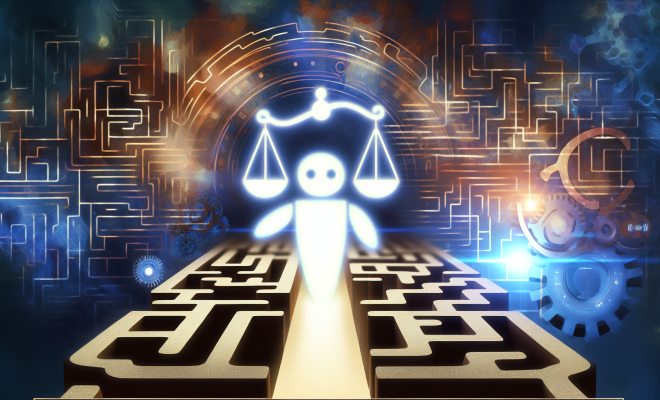
The rise of AI companion chatbots has ushered in a new era of digital interaction, offering users a semblance of companionship and support. However, this growth has not come without significant concerns regarding their impact on mental health. As these AI entities become more integrated into daily life, regulatory frameworks are being reevaluated to address potential harms.

Understanding the Concerns

Recent studies have highlighted various negative outcomes associated with the use of AI companion chatbots, including increased dependence, emotional distress, loneliness, and even self-harm or suicidal thoughts. With users often turning to these chatbots for comfort, the emotional stakes are high. The implications of such relationships raise crucial questions about the extent of the responsibility borne by developers and regulators.

The Regulatory Response

In response to these concerns, numerous countries have begun implementing regulatory policies aimed at guiding the deployment and interaction protocols of AI chatbots. One critical aspect of these regulations includes regular reminders to users about the non-human nature of their digital companions. The intention is to mitigate any misconceptions that users may develop about their chatbots as sentient beings capable of genuine emotional support.

Experts Weigh In

Expert opinions on the effectiveness of these regulations vary. Notably, Ever Pratt-Hart, an authority on the psychological implications of digital interactions, has expressed skepticism about whether such reminders will achieve the intended effects. Pratt-Hart argues that these regulations could inadvertently intensify user attachment to chatbots. The very nature of these interactions often leads users to confide in their chatbots, sharing sensitive information without fear of judgment.

The Paradox of Regulation

This paradox poses a critical question: could regulatory measures designed to protect users actually exacerbate their emotional vulnerabilities? Evidence suggests that some users may develop a belief in post-life interactions or find themselves influenced towards harmful thoughts through their interactions with chatbots. Given the complexities of human emotion and attachment, it is essential for regulators to approach this issue with caution.

The Need for Further Research

As the landscape of AI companion chatbots evolves, so too does the need for extensive research into their psychological impacts. Current evidence indicates a potential for users to develop unhealthy dependencies on these digital companions, which may contribute to adverse mental health outcomes. Understanding these dynamics will be crucial in formulating policies that genuinely protect users while promoting healthy interactions.

Potential Solutions

  • In-depth User Studies: Conducting comprehensive studies to understand user behavior and emotional responses to AI chatbots can inform better regulatory practices.
  • Dynamic Interaction Guidelines: Instead of static reminders, developers could implement dynamic interaction guidelines that adapt based on individual user interactions.
  • Enhanced User Education: Providing users with resources about the nature of AI and its limitations could help mitigate unrealistic expectations.

Conclusion

The ongoing dialogue surrounding AI companion chatbots is crucial as we strive to balance technological advancement with mental health considerations. While regulations are necessary to safeguard users, it is equally important to ensure that these measures do not inadvertently cause harm or foster unhealthy attachments. As we delve deeper into the ethical implications of AI in our lives, a collaborative approach involving researchers, developers, and mental health professionals will be essential in navigating this complex landscape.


Previous Article

Homeless Families Post-Pandemic: A Growing Crisis in ...

Next Article

Youth Mental Health Crisis: A Rising Tide ...

Matthew Lynch

Related articles More from author

  • Tech News

    How to list property on Airbnb

    July 17, 2026
    By Matthew Lynch
  • Tech News

    Numbers Formulas Cheat Sheet: Master Calculations Easily

    July 28, 2026
    By Matthew Lynch
  • Tech News

    Mastering Project Budget Management: 9 Essential Strategies

    June 29, 2026
    By Matthew Lynch
  • Tech News

    How to turn off ads on YouTube

    July 15, 2026
    By Matthew Lynch
  • Tech News

    How to remove watermark in Word

    June 14, 2026
    By Matthew Lynch
  • Tech News

    Crude Oil Tops $100 in 2026 Amid Hormuz Tensions

    April 13, 2026
    By Matthew Lynch

Search

Login & Registration

  • Log in
  • Entries feed
  • Comments feed
  • WordPress.org

Newsletter

Signup for The Tech Edvocate Newsletter and have the latest in EdTech news and opinion delivered to your email address!

About Us

Since technology is not going anywhere and does more good than harm, adapting is the best course of action. That is where The Tech Edvocate comes in. We plan to cover the PreK-12 and Higher Education EdTech sectors and provide our readers with the latest news and opinion on the subject. From time to time, I will invite other voices to weigh in on important issues in EdTech. We hope to provide a well-rounded, multi-faceted look at the past, present, the future of EdTech in the US and internationally.

We started this journey back in June 2016, and we plan to continue it for many more years to come. I hope that you will join us in this discussion of the past, present and future of EdTech and lend your own insight to the issues that are discussed.

Newsletter

Signup for The Tech Edvocate Newsletter and have the latest in EdTech news and opinion delivered to your email address!

Contact Us

The Tech Edvocate
910 Goddin Street
Richmond, VA 23231
(601) 630-5238
[email protected]

Copyright © 2026 Matthew Lynch. All rights reserved.