2026 Government Shutdown: Airport Security Lines Explode
Introduction
The 2026 United States government shutdown has triggered a wave of disruptions across the nation, particularly impacting air travel. With staffing shortages and unpaid Transportation Security Administration (TSA) officers, travelers are facing daunting security lines, particularly at major hubs like Hartsfield-Jackson Atlanta International Airport. As spring break travel peaks and severe winter weather sweeps across the Midwest and East Coast, the convergence of these factors has created a perfect storm for travelers. In this article, we explore the ramifications of the shutdown on airport security and how travelers are adapting to the chaos.
Understanding the Impact of the Government Shutdown
The current government shutdown, now stretching into its third week, has led to significant staffing shortages at TSA checkpoints nationwide. With many TSA employees going unpaid, a concerning number have opted to call in sick or leave their posts altogether. This has left airports grappling with inadequate personnel to handle the surge of travelers.
Security Lines: A Growing Concern
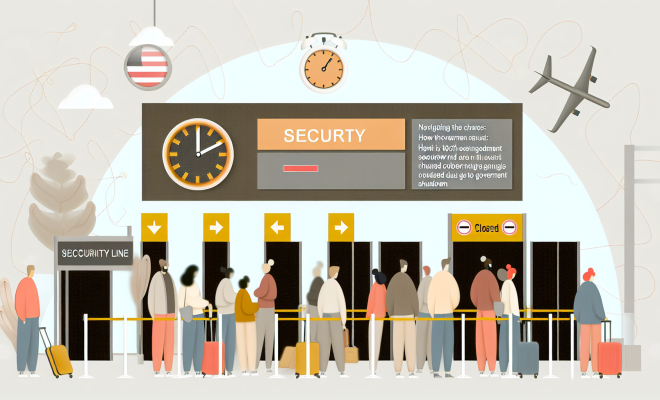
At Hartsfield-Jackson Atlanta International Airport, the world’s busiest airport, reports of security lines reaching up to 90 minutes have become increasingly common. This situation is exacerbated by the arrival of spring break travelers, who are flooding the airport in search of sun-soaked getaways. Adding to the chaos, severe winter weather in various regions has led to numerous flight cancellations and delays, causing rebooked passengers to crowd already overwhelmed security checkpoints.
Factors Contributing to Airport Delays
Several key factors are contributing to the current state of airport delays:
- Government Shutdown: The ongoing political impasse has resulted in a significant reduction in TSA staffing, as many officers are either absent or working under duress without pay.
- Spring Break Travel Surge: The timing of the shutdown coincides with one of the busiest travel seasons of the year, leading to increased passenger volume.
- Severe Weather Conditions: Areas of the Midwest and East Coast are experiencing harsh winter storms, resulting in flight cancellations and delays, further straining airport resources.
Travelers’ Strategies to Beat the Madness
In light of these challenges, travelers are seeking creative strategies to navigate the chaos. Here are some tips that have emerged as effective measures:
- Arrive Early: Many seasoned travelers recommend arriving at the airport at least two to three hours before a flight. This allows ample time to navigate long security lines.
- Utilize TSA PreCheck: Enrolling in the TSA PreCheck program can significantly reduce waiting times at security checkpoints, as it offers expedited screening for pre-approved travelers.
- Stay Informed: Keeping an eye on flight statuses and airport conditions through apps or airline websites can help travelers make informed decisions about when to head to the airport.
- Travel During Off-Peak Times: If possible, booking flights during less busy hours can help avoid long lines.
The Future of Air Travel Amid Political Turbulence
The ongoing government shutdown poses significant challenges not just for travelers, but also for airlines and airport operations as a whole. Airlines are facing increased operational costs while trying to manage the fallout from the staffing shortages. As the shutdown drags on, the pressure on TSA and airport personnel will only intensify.
Potential Solutions and Recommendations
Experts suggest several potential solutions to mitigate the impact of the shutdown on air travel:
- Temporary Staffing Increases: Airports could consider hiring temporary workers or reallocating personnel from other departments to assist with security screening.
- Enhanced Communication: Airports and airlines should improve communication with travelers regarding anticipated wait times and security procedures to set realistic expectations.
- Government Intervention: It may be necessary for lawmakers to address the staffing crisis directly, ensuring that TSA officers receive timely compensation and support during federal shutdowns.
Conclusion
The intersection of a government shutdown, peak travel season, and severe weather disruptions has created a challenging environment for air travelers in the United States. As long security lines persist, embracing proactive strategies and staying informed will be essential for navigating the turmoil. While the future of air travel amid political strife remains uncertain, travelers can still find ways to mitigate the chaos and ensure their journeys continue as smoothly as possible.