Artemis II: NASA’s 2026 Lunar Mission Set for Launch
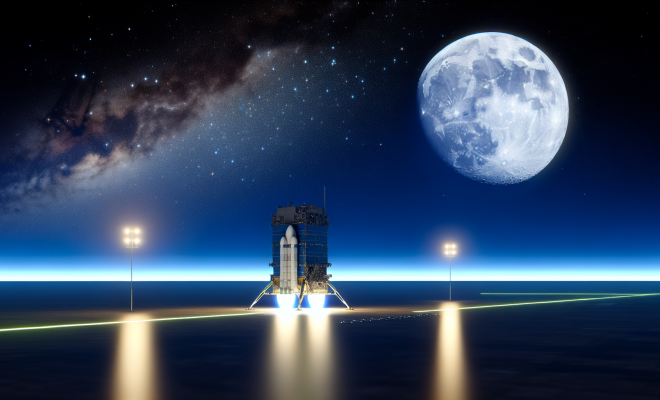
Navigating the cosmos has long been a dream of humankind, and NASA is taking significant strides towards realizing that dream with its upcoming Artemis II mission. After overcoming a series of complex technical challenges, NASA has confirmed that it is on track to launch Artemis II no earlier than April 1, 2026. This mission represents a pivotal step in NASA’s ambitious plans for lunar exploration and the eventual return of humans to the Moon.
Artemis II: What to Expect
Artemis II is designed as the first crewed mission in the Artemis program, which aims to land “the first woman and the next man” on the lunar surface. The mission will consist of a crew of four astronauts who will embark on a journey to orbit the Moon, marking humanity’s first return to lunar flight since the Apollo program ended in the early 1970s.
Technical Milestones Achieved
In preparation for the Artemis II mission, NASA has successfully conducted a series of critical tests and simulations. These preparatory efforts were essential to ensure the spacecraft’s systems are functioning as intended. Key milestones included testing the Orion spacecraft, which will carry the astronauts, and performing extensive evaluations of the Space Launch System (SLS), NASA’s heavy-lift rocket designed to send Orion into space.
Throughout the testing phase, teams have been working diligently to resolve any technical issues and refine the mission’s operational procedures. As of now, NASA has confirmed that all final technical hurdles have been cleared, further solidifying the project’s trajectory towards a historic launch.
Significance of the Artemis II Mission
The Artemis II mission is not just about going back to the Moon; it represents a broader vision for human space exploration. With Artemis II, NASA aims to establish a sustainable presence on the lunar surface and pave the way for future missions to Mars.
Building a Sustainable Lunar Presence
One of the primary objectives of the Artemis program is to create a sustainable human presence on the Moon by the end of the decade. Artemis II will help gather critical data needed to accomplish this goal, including insights into the challenges of long-duration spaceflight and the logistics of operating in the lunar environment.
- Exploration of Lunar Resources: Artemis II will also open the door for potential exploration of lunar resources, which could be crucial for future missions.
- International Collaboration: The mission emphasizes collaboration between space agencies and private companies, fostering innovation in space exploration technologies.
- Preparation for Mars: Insights gained from lunar missions will serve as a foundation for future Mars missions, which are a key goal for NASA.
The Crew of Artemis II
NASA has not yet announced the specific astronauts who will participate in the Artemis II mission, but it is expected that the crew will consist of experienced individuals with diverse backgrounds in piloting, engineering, and scientific research.
As part of the Artemis program, NASA is committed to ensuring that the crew represents a wide array of backgrounds and perspectives, including gender and ethnicity. This commitment aligns with the agency’s goal of fostering inclusivity in space exploration.
Looking Ahead: The Future of Artemis
With the Artemis II mission set to launch in 2026, NASA is already looking ahead to subsequent missions in the Artemis program. Following Artemis II, Artemis III is slated to land astronauts on the lunar surface, marking the first time humans will set foot on the Moon in nearly 50 years.
Additionally, NASA plans to establish the Lunar Gateway, a space station that will orbit the Moon and serve as a hub for lunar and deep space exploration. This ambitious project will enhance our understanding of the Moon and serve as a stepping stone for future crewed missions to Mars.
Public Engagement and Education
NASA is actively working to engage the public and encourage interest in space exploration through the Artemis program. Educational initiatives, outreach programs, and interactive experiences are being developed to inspire the next generation of scientists, engineers, and space enthusiasts.
As the launch date approaches, NASA is expected to ramp up its public engagement efforts, providing updates, educational content, and opportunities for the public to participate in this historic journey.
Conclusion
The Artemis II mission marks a significant milestone in humanity’s quest to explore the Moon and beyond. With its launch slated for April 1, 2026, NASA is poised to usher in a new era of lunar exploration, one that will pave the way for sustainable human presence on the Moon and further our aspirations for interplanetary travel. As we stand on the brink of this historic journey, the world watches with anticipation, eager to witness the next chapter in space exploration.