Mortgage Applications Plummet 10.9% in March 2026 Amid Oil Shock
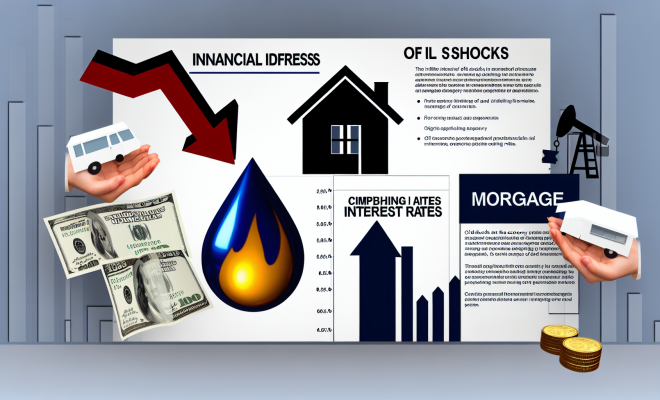
The latest data from the Mortgage Bankers Association (MBA) reveals a significant downturn in mortgage applications, as rates have surged in response to oil market volatility and inflation concerns. For the week ending March 13, 2026, mortgage applications saw a dramatic decline of 10.9%, marking a notable shift in the housing market dynamics.
Refinance Applications Take a Hit
One of the most striking aspects of the recent data is the plunge in refinance applications, which fell by an alarming 27% compared to the previous week. This decline can be attributed to a rise in mortgage rates, which increased by 20 basis points amid fluctuations in Treasury yields exacerbated by ongoing oil price volatility. The increase in rates has made refinancing less attractive for homeowners looking to capitalize on lower borrowing costs.
Impact of Oil Prices and Inflation
Experts, including Joel Kan from the MBA, point to persistent tensions in the Middle East as a primary factor keeping oil prices elevated. The instability in this region has not only affected crude oil prices but has also contributed to broader inflationary pressures within the economy. As oil prices rise, they invariably impact consumer costs and, by extension, interest rates set by financial institutions.
The Federal Open Market Committee (FOMC) recently decided to maintain the federal funds rate at a range of 3.50% to 3.75%. This decision stands in stark contrast to the historical lows of 2.65% witnessed during the pandemic stimulus period of 2020-2021. The FOMC’s current stance reflects a cautious approach to monetary policy amid growing inflation concerns, which has further complicated the mortgage landscape.
Shifts in Loan Types
As mortgage applications decline, there has been a noticeable shift in the types of loans being sought by borrowers. The share of Federal Housing Administration (FHA) loans has risen to 19.4%, while the share of Veterans Affairs (VA) loans has increased to 16.7%. In contrast, the United States Department of Agriculture (USDA) loan share has remained relatively stable at 0.4%.
This shift towards FHA and VA loans may indicate that borrowers are adapting to the changing market conditions. FHA loans typically cater to first-time homebuyers and those with lower credit scores, while VA loans are available to eligible veterans and active-duty service members. The rise in these loan types suggests that more borrowers are seeking options that may be more forgiving in terms of down payments and credit requirements.
Market Reactions and Future Outlook
The market’s reaction to the recent PPI (Producer Price Index) data and the oil shock has been swift, with many analysts expressing concern about the potential for further declines in mortgage applications if rates continue to rise. The combination of high oil prices, inflationary pressures, and a cautious approach from the FOMC could lead to ongoing volatility in the housing market.
- High oil prices: Contributing to inflation and impacting mortgage rates.
- FOMC rate decisions: Maintaining rates amidst inflation concerns.
- Loan type shifts: Increased FHA and VA loan applications as borrowers adapt.
As we move further into 2026, the trajectory of mortgage applications will likely depend heavily on economic indicators, including oil prices and inflation rates. Should oil prices stabilize or decline, there might be a reprieve for borrowers seeking mortgages. Conversely, if tensions persist and inflation continues to rise, we could witness a prolonged period of elevated interest rates, further constraining the housing market.
Conclusion
The current environment presents a challenging landscape for prospective homebuyers and those considering refinancing. With mortgage applications at a multi-week low, fueled by rising rates and oil market volatility, the path forward remains uncertain. Stakeholders in the housing market will need to remain vigilant as they navigate these fluctuating economic conditions, adapting their strategies to align with the evolving financial landscape. As always, potential borrowers are encouraged to stay informed and consult with financial professionals to make the best decisions for their unique situations.