Meta & YouTube Liable for Children’s Mental Health: 2026 Verdict
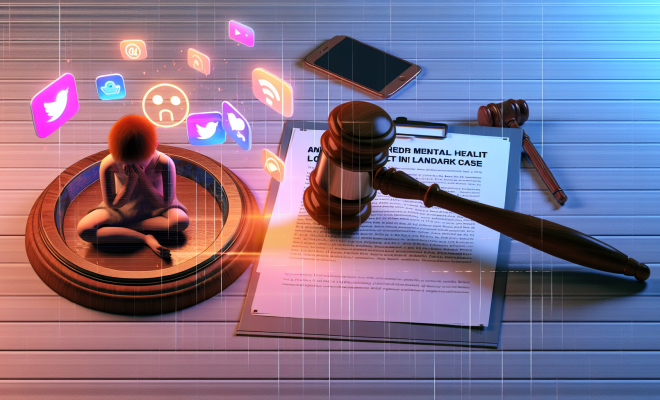
In a groundbreaking legal decision, a California jury has ruled that tech giants Meta and YouTube are responsible for harming children’s mental health. This significant verdict, announced on March 27, 2026, marks a pivotal moment in the ongoing dialogue about social media’s effects on youth.
The Case Against Meta and YouTube
The lawsuit centered on claims that both platforms actively foster addiction among young users by exploiting psychological mechanisms such as FOMO (fear of missing out). The jury’s decision reflects growing concerns regarding the mental well-being of children in an era where digital engagement is ubiquitous.
Understanding FOMO and Its Impact
FOMO, a term that has gained widespread recognition in recent years, describes the anxiety that arises when individuals feel they are missing out on rewarding experiences that others are having. In the context of social media, this phenomenon is particularly pronounced among children and teenagers, who are often inundated with curated content showcasing the highlight reels of their peers’ lives.
Meta and YouTube have been accused of using algorithms that amplify FOMO, thereby encouraging excessive usage of their platforms. This strategy not only keeps users engaged for longer periods but also can lead to detrimental mental health outcomes, including anxiety, depression, and low self-esteem.
A Landmark Verdict
The jury’s ruling is significant as it holds Meta and YouTube accountable for their role in contributing to the mental health crisis among youth. By affirming that these platforms have been weaponizing FOMO, the court has set a precedent that could have far-reaching implications for the tech industry.
Implications for Social Media Platforms
In light of this verdict, experts predict that Meta and YouTube may be compelled to implement substantial changes to their operational frameworks. According to reports from BBC News, these changes could be so extensive that the platforms as we know them might soon become unrecognizable.
- Algorithmic Adjustments: Platforms may need to revise their algorithms to prioritize user well-being over engagement metrics.
- Enhanced Age Verification: Stricter measures could be introduced to ensure that underage users are adequately protected from harmful content.
- Content Regulation: There may be increased oversight on the type of content that can be promoted, particularly content that encourages unhealthy comparisons.
The Broader Context of Mental Health and Social Media
This landmark ruling comes at a time when mental health issues among young people are reaching alarming levels. According to recent studies, rates of anxiety and depression in children and adolescents have surged, correlating with the rise of social media usage. Experts have long warned that the addictive nature of these platforms can lead to a range of mental health challenges.
Statistics on Youth Mental Health
Research indicates that:
- Approximately 1 in 5 adolescents experience a mental health disorder.
- Social media usage has been linked to increased feelings of isolation and anxiety.
- Studies show a direct correlation between excessive screen time and mental health issues in youth.
The implications of these statistics are profound, emphasizing the need for tech companies to prioritize the mental health of their users, particularly the most vulnerable among them—children.
What’s Next? The Road Ahead
As the tech industry grapples with the ramifications of this case, one thing is certain: the landscape of social media is poised for transformation. Advocates for children’s mental health are hopeful that this verdict will catalyze a movement towards greater responsibility among tech companies.
Calls for Accountability
In the wake of the trial, there have been renewed calls for accountability from various stakeholders, including parents, educators, and mental health professionals. Many are advocating for:
- Increased Transparency: Companies should be required to disclose how their algorithms operate and the potential impacts on mental health.
- Support for Mental Health Initiatives: Tech companies should invest in programs that promote mental well-being among young users.
- Education on Digital Literacy: There is a pressing need for educational initiatives that teach young people how to navigate social media responsibly.
Conclusion
The verdict against Meta and YouTube serves as a wake-up call for the tech industry and society at large. As the conversation around mental health continues to evolve, it is crucial for all stakeholders to engage in meaningful dialogue and action to ensure that children can enjoy the benefits of social media without compromising their mental well-being. The future of social media may very well depend on it.