Major European Airport Strikes Cause Travel Chaos: What You Need to Know
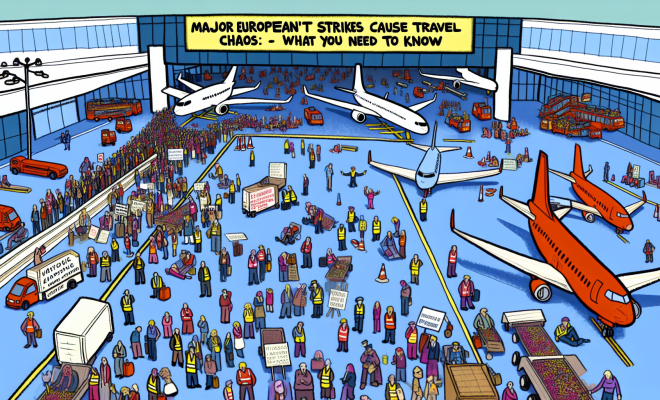
Travelers across Europe are facing significant disruptions this week as a series of strikes impact flight operations in Belgium, Germany, and Italy. From March 12 to March 18, 2026, the strikes have led to thousands of flight cancellations and operational challenges for airlines and airports. Here’s an overview of the strikes affecting travelers and what they need to know.
Belgium: Nationwide Demonstrations Halt Flights
On March 12, 2026, Brussels Airport announced the suspension of all departing passenger flights due to nationwide demonstrations that have severely affected security, ground handling, and public transportation services, including rail (NMBS/SNCB) and buses (De Lijn). The protests, which are part of broader social movements in Belgium, have raised concerns over labor conditions and public sector funding.
Airport officials have urged travelers to check flight statuses with their airlines and to avoid coming to the airport unless absolutely necessary. With the airport’s operations significantly impacted, many passengers are left scrambling to find alternative travel arrangements.
Germany: Lufthansa Pilots Strike
In Germany, the Vereinigung Cockpit union, representing Lufthansa pilots, initiated a strike from March 12 at 12:01 a.m. until March 13 at 11:59 p.m. This action has disrupted not only Lufthansa’s passenger flights but also its cargo and CityLine operations. The strike is primarily a response to ongoing disputes over pay and working conditions, and it has affected thousands of passengers.
For those impacted by the strike, Lufthansa has implemented flexible rebooking options. Passengers whose tickets were issued by March 10 can rebook their flights free of charge until March 23, 2026, or choose to receive a full refund. This measure aims to alleviate some of the stress faced by travelers during this tumultuous time.
Italy: Strikes by Handling Workers and EasyJet Crew
On March 18, 2026, Italy will see a 24-hour strike by handling workers at Milan’s Malpensa and Linate airports. The strike is expected to cause significant delays and cancellations, particularly for airlines reliant on ground handling services. In addition to this, EasyJet crew members are also planning strikes, which adds to the uncertainty for travelers flying through Italian airports.
Passengers scheduled to fly on March 18 are advised to monitor their flight statuses closely and to check with their airlines for any updates regarding cancellations or delays. The Italian Ministry of Transport has stated that it will work with airport authorities and airlines to minimize disruptions, but travelers should be prepared for the possibility of significant delays.
Impact on Travelers
Travelers planning to fly to or from Belgium, Germany, and Italy during this period should stay informed and proactive. Here are some tips to navigate the ongoing disruptions:
- Check Flight Status: Always check with your airline for real-time updates on flight statuses, especially if you have a flight scheduled within the strike period.
- Consider Rebooking: If your flight is canceled or significantly delayed, explore rebooking options as soon as possible. Airlines are typically accommodating during strikes.
- Stay Informed: Follow news updates and official announcements from airports and airlines to stay ahead of any changes to flight schedules.
- Plan for Delays: Allow extra time for travel to the airport and be prepared for longer wait times at security and check-in due to reduced staffing levels.
- Know Your Rights: Familiarize yourself with passenger rights regarding cancellations and delays to ensure you receive the compensation you may be entitled to.
Conclusion
The ongoing strikes in Belgium, Germany, and Italy are a reminder of the potential for labor actions to disrupt travel plans. As travelers navigate the complexities of canceled flights and altered schedules, it is crucial to remain informed and proactive. By staying updated on flight statuses and knowing your rights, you can minimize the impact of these strikes on your travel experience. As the situation develops, travelers should remain vigilant and flexible to adapt to the changing landscape of air travel in Europe.