Liberty Battery Storage Facility: The Shocking Truth Behind Local Opposition
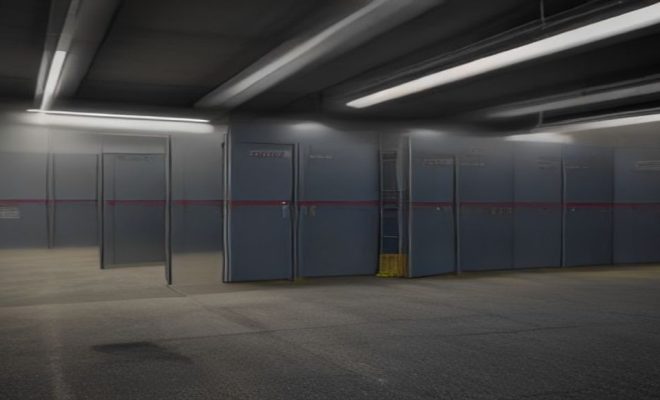
Imagine a massive industrial complex, bristling with shipping-container-sized batteries, landing right next to your neighborhood. Now, imagine those batteries are made of lithium-ion, the same chemistry that powers your phone, but on a scale that could power a small city. What if they caught fire? What kind of smoke would billow out, and what would it mean for your family’s health, your property values, and the very air you breathe? These aren’t hypothetical anxieties for communities across America; they’re very real, pressing questions driving a wave of local opposition to large-scale battery energy storage system (BESS) facilities. The proposed Liberty battery storage facility in Missouri is just one high-profile example, and its story reveals a much larger, complex narrative unfolding nationwide.
The push for green energy is undeniable, even critical. We need to transition away from fossil fuels, and fast. Battery storage is a crucial piece of that puzzle, allowing us to capture intermittent renewable energy from solar and wind farms and deploy it when the grid needs it most. But the rapid deployment of these technologies is running headfirst into legitimate local concerns. It’s a classic clash between global environmental imperatives and local quality-of-life issues, and it’s creating a volatile landscape for developers, policymakers, and residents alike. The recent decision by the Liberty Planning and Zoning Commission to recommend denying a 200-megawatt lithium-ion battery facility proposal isn’t just a local skirmish; it’s a bellwether for a broader societal debate that demands our attention.
The Rising Tide of Local Resistance to BESS Projects
Across the United States, communities are increasingly vocalizing their discomfort, even outright opposition, to the placement of large-scale battery energy storage system facilities. What’s driving this pushback? It often boils down to a fundamental tension: while these projects are lauded as essential for grid modernization and renewable energy integration, their immediate impacts are felt locally. Residents aren’t necessarily against green energy; they’re concerned about having industrial-scale infrastructure, with inherent risks, sited in their backyards, often without what they perceive as adequate consideration for their safety, health, and property.
You see this pattern repeating in various forms: from the quiet, suburban streets of Liberty, Missouri, to rural towns in Arizona, and densely populated areas in California. The core issues remain consistent: fire hazards, potential toxic emissions, environmental contamination, and simply the incompatibility of such large industrial installations with existing residential or agricultural landscapes. These aren’t minor quibbles; they are deeply felt anxieties that tap into a community’s sense of self-preservation and the desire to protect their homes and families. When a developer proposes a massive BESS project, they’re not just offering an energy solution; they’re proposing a fundamental change to the local environment and the lives of those who live there.
The Liberty Battery Storage Facility: A Case Study in Conflict
The situation in Liberty, Missouri, offers a compelling snapshot of this national trend. Developers proposed a substantial 200-megawatt lithium-ion battery facility, a project that, on paper, aligns with the broader goals of energy transition. However, when the proposal landed before the Liberty Planning and Zoning Commission, it was met with significant resistance. The Commission, representing the community’s interests, ultimately recommended denying the project. This wasn’t a snap decision; it was the culmination of public hearings, detailed discussions, and the weighing of various concerns that resonated deeply with local residents.
At the heart of the commission’s recommendation were the very issues we’ve been discussing: the specter of fire. Lithium-ion batteries, particularly when deployed at this scale, carry a non-zero risk of thermal runaway, a condition where a battery cell overheats and catches fire, potentially spreading to adjacent cells. The thought of such an event in close proximity to homes, schools, or environmentally sensitive areas is enough to give anyone pause. Furthermore, the smoke produced by burning lithium-ion batteries isn’t just smoke; it can contain a cocktail of hazardous chemicals, posing serious health risks. The commission’s denial recommendation sends a clear message: the benefits of green energy must be carefully balanced against the immediate, tangible risks to the community, and in this instance, the scales tipped towards caution for the Liberty battery storage facility.
Fire Risks and Toxic Fallout: The Core Concerns
Let’s get specific about the fire risks. While battery technology is constantly improving and safety protocols are evolving, the reality is that large-scale lithium-ion battery fires are incredibly challenging to extinguish. They can burn intensely for extended periods, requiring specialized equipment and strategies that many local fire departments simply aren’t equipped for. We’ve seen incidents, thankfully rare at this scale, where battery fires have taken days to bring under control, releasing plumes of smoke that travel for miles.
The chemical composition of this smoke is particularly worrying. Burning lithium-ion batteries can release toxic gases like hydrogen fluoride, carbon monoxide, and various volatile organic compounds. Exposure to these substances can cause severe respiratory issues, chemical burns, and long-term health problems. For communities situated near these facilities, the idea of their air being potentially contaminated by such an event is a terrifying prospect. This isn’t just about property damage; it’s about the fundamental safety and health of the population. When you’re talking about a facility like the proposed Liberty battery storage facility, the sheer volume of stored energy amplifies these concerns exponentially. Residents aren’t asking for zero risk – that’s impossible – but they are asking for assurances that the risks are manageable, understood, and that their emergency services are genuinely prepared.
Environmental Contamination and Site Compatibility
Beyond the immediate threat of fire and toxic smoke, there’s the longer-term concern of environmental contamination. Should a fire occur, or even through routine operations, there’s a potential for electrolytes, heavy metals, and other hazardous materials within the batteries to leach into the soil and groundwater. This could have devastating consequences for local ecosystems, agriculture, and drinking water sources. Responsible development requires robust containment strategies, comprehensive environmental impact assessments, and clear plans for remediation in the event of an incident. Are these always sufficient for a project of this magnitude? That’s a question many communities are now asking. (See: battery storage and renewable energy.)
Then there’s the issue of compatibility. Picture a serene suburban neighborhood or a tranquil agricultural landscape. Now, mentally superimpose a sprawling industrial facility the size of several football fields, humming with electrical activity. Does it fit? Often, the answer from residents is a resounding no. These facilities aren’t just energy infrastructure; they are industrial sites with significant footprints, noise profiles, and visual impacts. Zoning laws exist for a reason – to ensure that different land uses are appropriately separated to maintain community character, safety, and property values. When a BESS project is proposed in an area that doesn’t feel industrially zoned, or too close to homes, the clash becomes inevitable. For the Liberty battery storage facility, these compatibility issues were undoubtedly a major factor in the commission’s deliberations.
The FCC’s Ban: A National Security Wrench in the Works
As if navigating local opposition weren’t enough, the BESS industry is now grappling with a significant national-level challenge: a recent ban by the US Federal Communications Commission (FCC) on new foreign-produced power inverters. These inverters, critical components that convert the direct current (DC) from batteries or solar panels into the alternating current (AC) used by the grid, have been classified as national security threats. This isn’t a minor regulatory tweak; it’s a seismic shift with profound implications for the entire renewable energy sector.
The FCC’s decision, driven by concerns over potential cyber vulnerabilities and data exfiltration from devices manufactured by certain foreign entities, has created what the industry describes as “widespread confusion and potential disruption.” Many BESS and solar projects, including those already in advanced planning stages, rely on these foreign-made inverters. The ban forces developers to scramble for alternative, FCC-approved suppliers, often at higher costs and with longer lead times. This not only adds a layer of complexity and expense to projects but also introduces significant delays, potentially slowing down the very green energy transition it’s meant to accelerate. It’s a stark reminder that even seemingly unrelated geopolitical and cybersecurity concerns can ripple through and impact local infrastructure projects like the proposed Liberty battery storage facility.
Supply Chain Disruptions and the Push for Domestic Manufacturing
The FCC ban highlights a broader vulnerability within the renewable energy supply chain: a heavy reliance on foreign manufacturing for critical components. For years, the globalized economy has driven down costs, but it has also created dependencies that are now proving problematic from both an economic resilience and national security perspective. This inverter ban is forcing a reckoning, pushing for a greater emphasis on domestic manufacturing.
While the immediate impact is disruptive, the long-term effect could be a boon for American industry. It creates a powerful incentive for the development of domestic inverter manufacturing capabilities, fostering innovation and creating jobs within the U.S. This shift, however, won’t happen overnight. Building new factories, scaling production, and developing competitive technologies takes time and significant investment. In the interim, projects like the Liberty battery storage facility might find themselves caught in the crosscurrents of this supply chain realignment, facing delays and increased costs as the industry adapts to a new reality where national security considerations are paramount in procurement decisions.
Balancing Green Energy Goals with Local Safety and Security
The dual challenges faced by projects like the Liberty battery storage facility – intense local opposition and significant supply chain disruptions due to national security concerns – underscore a critical question: how do we effectively balance the urgent need for green energy deployment with legitimate local safety concerns and national security imperatives? It’s not an either/or proposition. We need both. We need clean energy, and we need communities that feel safe and secure.
Achieving this balance requires a more nuanced, collaborative approach. For developers, it means engaging with communities early and transparently, addressing concerns proactively, and demonstrating a genuine commitment to safety and environmental protection. It means going beyond minimum regulatory requirements and truly understanding the unique context of each proposed site. For policymakers, it means developing clear, comprehensive, and forward-looking regulations that adequately address BESS risks, provide robust emergency response frameworks, and perhaps even offer incentives for developers to site facilities in less impactful locations or to invest in advanced safety technologies. The current friction suggests that, in many cases, this balance isn’t yet being struck effectively.
The Evolving Landscape of BESS Technology and Safety
It’s important to recognize that BESS technology isn’t static. The industry is rapidly innovating, driven partly by these very safety concerns. Newer battery chemistries, like lithium iron phosphate (LFP), are gaining traction because they offer improved thermal stability compared to some older lithium-ion variants. While no battery is entirely risk-free, LFP batteries generally have a lower propensity for thermal runaway and are less prone to catastrophic failures. Developers are increasingly exploring these safer alternatives, although they might come with different performance characteristics or cost implications.
Beyond chemistry, advancements in fire suppression systems are also playing a crucial role. Modern BESS installations often integrate multi-layered safety features, including sophisticated smoke and gas detection systems, automatic sprinkler or inert gas suppression systems, and thermal management solutions to keep battery temperatures within safe operating ranges. Some systems even employ individual cell-level monitoring and protection, allowing for early detection and isolation of problematic cells before a larger incident can occur. While these technologies add to the project cost, they are becoming non-negotiable for securing community acceptance and regulatory approval. The challenge lies in ensuring that these cutting-edge safety measures are not just on paper but are rigorously implemented and maintained throughout the facility’s lifespan.
Economic Incentives and Community Benefits: A Missing Piece?
Often, local opposition to BESS projects stems not just from safety fears but also from a perceived lack of direct benefit to the host community. While these facilities contribute to regional grid stability and broader environmental goals, residents might wonder what’s in it for them. This is where creative economic incentives and community benefit agreements can make a significant difference. (See: environmental impacts of battery storage.)
Imagine if the developer of the Liberty battery storage facility had proposed a package that included significant property tax revenues dedicated to local schools or infrastructure improvements. Or perhaps direct job creation for local residents during construction and operation, even if the operational footprint is relatively small. Some communities might also be open to energy cost reductions for local businesses or residents, or investments in local renewable energy projects that directly benefit the community. When developers only present the “grid benefits” without tangible local advantages, it creates a vacuum that is quickly filled by fear and resistance. A proactive approach that highlights specific, measurable benefits for the community can shift the narrative from one of pure risk to one of shared opportunity.
Regulatory Gaps and the Need for Standardized Guidelines
One of the biggest hurdles facing BESS deployment is the patchwork nature of regulations across different jurisdictions. There’s no single, universally adopted set of guidelines for siting, safety, and emergency response for large-scale battery storage facilities. This leaves communities and developers alike navigating a confusing landscape. While national codes like the National Fire Protection Association (NFPA) 855 exist, their adoption and enforcement vary widely at the state and local levels.
This regulatory vacuum creates uncertainty for developers and anxiety for residents. Developers face inconsistent requirements, potentially leading to delays and increased costs. Communities, on the other hand, might feel ill-equipped to evaluate complex proposals or to enforce adequate safety standards. There’s a clear need for greater standardization and clarity from federal and state agencies, offering clear benchmarks for safe design, operation, and decommissioning of BESS facilities. This would include specific requirements for emergency response plans, training for local first responders, and environmental monitoring protocols. A more unified approach could streamline the approval process while simultaneously enhancing public safety and trust.
Opportunities in a Challenging Landscape
While the challenges are significant, they also create considerable opportunities for innovation and growth. The very problems that are slowing down BESS deployment are simultaneously creating new market needs:
- Domestic Inverter Manufacturing: The FCC ban is a direct call to action for U.S. companies to step up and meet the demand for secure, domestically produced power inverters. This is a massive market opportunity for those who can innovate and scale quickly.
- Advanced Battery Safety Technologies: The focus on fire risk is driving demand for next-generation battery chemistries, enhanced fire suppression systems, and sophisticated monitoring technologies that can detect and mitigate thermal runaway events before they escalate. Companies developing these solutions will find a ready market.
- Environmental Consulting for BESS Projects: With heightened scrutiny on environmental impact and safety, there’s a growing need for specialized environmental consulting services that can help developers navigate complex regulatory landscapes, conduct thorough risk assessments, and design projects that minimize community impact.
- Legal Services for Zoning and Regulatory Compliance: The increasing complexity of local zoning battles and federal regulations means that legal experts specializing in energy infrastructure, land use, and environmental law will be in high demand.
- Investments in Resilient Energy Infrastructure: The overarching need for a more resilient and secure grid, capable of integrating renewables while withstanding various threats, will drive investment in smart grid technologies, microgrids, and distributed energy resources that can reduce the reliance on single, massive BESS installations.
The Path Forward: Collaboration, Innovation, and Trust
The journey to a clean energy future is clearly not a straight line; it’s filled with twists, turns, and unexpected obstacles. The situation with the Liberty battery storage facility, and countless others like it, serves as a powerful reminder that technological progress, however vital, must be accompanied by genuine community engagement and robust regulatory frameworks. We can’t simply fast-track projects without addressing the very real concerns of the people who will live with them.
Moving forward, success hinges on fostering greater collaboration between developers, local governments, emergency services, and community members. It demands continued innovation in battery safety and supply chain resilience. Most importantly, it requires building trust – trust that these projects are being designed and operated with the utmost care for public safety and environmental protection. Without that trust, the green energy transition, despite its undeniable importance, will continue to face significant headwinds, project by project, community by community.
The final decision on the Liberty battery storage facility now rests with the City Council. Their vote won’t just impact one community in Missouri; it will send a message about how we, as a society, choose to balance progress with precaution, and how we intend to build the energy future we all need, together.
Frequently Asked Questions About Battery Storage Facilities
What exactly is a BESS (Battery Energy Storage System)?
A BESS, or Battery Energy Storage System, is essentially a large-scale rechargeable battery installation designed to store electrical energy. These systems typically use lithium-ion batteries, similar to those in your phone or electric car, but on a much larger scale. They’re used to store excess energy generated from renewable sources like solar or wind when production is high and then release it back to the grid when demand is high or renewable generation is low, helping stabilize the power supply. (See: health risks from battery emissions.) For more on this, see impact on property values.
Why are communities opposing these facilities?
Community opposition primarily stems from concerns about safety, health, and environmental impact. Residents worry about the risk of fires, which can be intense and difficult to extinguish, releasing toxic smoke. There are also concerns about potential environmental contamination from battery materials if an incident occurs, and the industrial nature of these facilities clashing with residential or agricultural areas, impacting property values and quality of life.
Are lithium-ion battery fires common in these large facilities?
Thankfully, large-scale lithium-ion battery fires are still relatively rare, especially given the increasing number of BESS installations. However, when they do occur, they can be severe and prolonged. The industry is working hard to improve safety through better battery chemistries, advanced thermal management systems, and sophisticated fire suppression technologies to further reduce these risks. It’s the potential severity of an incident, rather than its frequency, that often drives concern.
What are the health risks associated with a BESS fire?
If a large-scale lithium-ion battery facility catches fire, the smoke can contain a dangerous mix of toxic gases and particulate matter. These can include hydrogen fluoride, carbon monoxide, sulfur dioxide, and various volatile organic compounds. Exposure can lead to severe respiratory problems, chemical burns, skin and eye irritation, and potentially long-term health issues, especially for those with pre-existing conditions or prolonged exposure.
How do BESS projects affect local property values?
The impact on property values is a significant concern for residents. While there isn’t extensive long-term data specifically on BESS facilities, the perception of increased risk, industrial intrusion, noise, and visual impact can lead to a decrease in desirability for nearby homes. This can translate into a reduction in property values. Developers often need to address these concerns directly through careful siting, visual buffering, and community engagement to mitigate potential negative impacts.
What is the FCC ban on foreign inverters and how does it relate to BESS projects?
The FCC banned the use of new foreign-produced power inverters from certain manufacturers, citing national security concerns related to potential cyber vulnerabilities and data security. Inverters are crucial components in BESS facilities (and solar farms) that convert the direct current (DC) from batteries into alternating current (AC) for the grid. This ban means developers can no longer use these specific foreign-made inverters, forcing them to find alternative, FCC-approved suppliers. This can lead to increased costs, delays, and supply chain disruptions for BESS projects nationwide, including the proposed Liberty battery storage facility.
What role do local fire departments play in BESS safety?
Local fire departments are on the front lines of emergency response for any incident at a BESS facility. However, extinguishing large-scale lithium-ion battery fires requires specialized training, equipment, and strategies that many smaller, local departments may not possess. Effective planning requires developers to work closely with local first responders, providing detailed hazard assessments, emergency response plans, and often funding for specialized training and equipment to ensure they are adequately prepared to handle a BESS incident.
Trending Now
Frequently Asked Questions
Why are communities opposing battery storage facilities?
Communities are opposing battery storage facilities due to concerns about safety, environmental impact, and property values. The potential for fires, health risks from smoke, and the overall effect on local quality of life are significant factors driving local resistance.
What are the risks associated with lithium-ion battery facilities?
Lithium-ion battery facilities pose risks such as fire hazards, toxic smoke, and long-term environmental impacts. These concerns raise alarms about air quality and health for residents living nearby, leading to heightened opposition against such projects.
How do battery energy storage systems (BESS) support renewable energy?
Battery energy storage systems capture and store intermittent renewable energy from sources like solar and wind, allowing it to be deployed when the grid demands it most. This transition is crucial for reducing reliance on fossil fuels and promoting sustainable energy solutions.
What was the recent decision by the Liberty Planning and Zoning Commission?
The Liberty Planning and Zoning Commission recently recommended denying the proposal for a 200-megawatt lithium-ion battery facility. This decision reflects growing local concerns and serves as a significant indicator of broader societal debates about energy storage projects.
What are the environmental implications of large-scale battery facilities?
Large-scale battery facilities can have both positive and negative environmental implications. While they are essential for facilitating renewable energy use, concerns about potential pollution, land use, and health risks from accidents or emissions are significant issues for local communities.
What did we miss? Let us know in the comments and join the conversation.