Kīlauea Eruption Episode 50: What Travelers Must Know Today
“`html
The anticipation surrounding the Kīlauea volcano eruption is palpable, especially with the announcement that Episode 50 of lava fountaining is expected to begin today. Travelers and volcano enthusiasts alike are buzzing about the possibilities as the US Geological Survey (USGS) has reported that the onset of this episode is most likely between 5:05 p.m. HST and June 27, 2026. After an abrupt end to the previous episode that lasted just 7.5 hours, there is a growing sense of urgency among those eager to witness nature’s dramatic display.
1. The Current State of Kīlauea Volcano
Currently, Kīlauea is in a paused state at its summit eruption site, Halemaʻumaʻu. While the previous lava fountaining episode may have ended abruptly, the signs of imminent reactivation are evident. Observers have noted strong vent glow, flaming, and significant degassing, all indicative of increased volcanic activity. This warning has prompted the USGS to issue alerts, urging visitors to stay informed and vigilant.
The most recent episode showcased impressive fountains reaching significant heights from the north vent, captivating anyone lucky enough to witness the spectacle. As the volcano gears up to reactivate, anyone planning a trip to Hawaii Volcanoes National Park will want to monitor developments closely.
2. Understanding Lava Fountaining Episodes
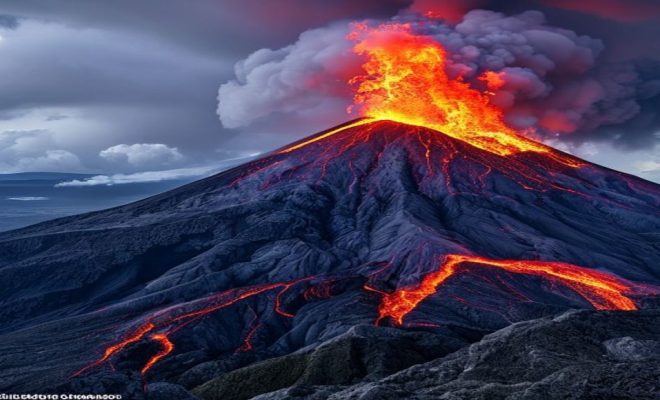
Lava fountaining is one of the most mesmerizing phenomena to observe. When a Kīlauea volcano eruption occurs, lava is expelled violently from the vent, creating dynamic fountains that can shoot several meters into the air. This occurs due to the pressure building within the magma chamber, forcing gas bubbles to escape, which in turn pushes the molten rock skyward.
Over the years, Kīlauea has experienced several episodes of lava fountaining, each unique in its intensity and duration. Episode 50 promises to be no different, and with the heightened activity seen in recent weeks, those hoping to see this natural wonder should remain prepared for a sudden eruption.
3. Social Media Buzz and FOMO
As news of the impending Kīlauea volcano eruption spreads, social media platforms are lighting up with excitement. Travelers, photographers, and adventure-seekers are sharing real-time updates and engaging in discussions about their plans to catch the spectacle. The phenomenon of ‘fear of missing out’ (FOMO) is in full swing, driving many to adjust their travel itineraries to witness this volcanic event.
Social media has become an invaluable tool for tracking volcanic activity, with platforms like Instagram and Twitter buzzing with hashtags related to Kīlauea. Volcano enthusiasts are sharing tips, safety information, and their own experiences, fostering a community excited about the natural wonders of Hawaii.
4. Travelers’ Safety and Precautions
While the allure of witnessing a Kīlauea volcano eruption is hard to resist, safety should always come first. The USGS has urged all visitors to take necessary precautions when visiting Hawaii Volcanoes National Park, especially during an active eruption. This includes staying informed about current conditions, adhering to park guidelines, and keeping a safe distance from the eruption site.
In addition to park alerts, travelers should consider wearing protective gear, such as masks and goggles, to guard against ash and volcanic gases. It’s also wise to have an emergency plan in place and to be aware of your surroundings at all times.
5. Exploring Hawaii Volcanoes National Park
Hawaii Volcanoes National Park is a treasure trove of geological wonders. With over 300,000 acres, the park showcases a diverse ecosystem shaped by the powerful forces of volcanic activity. Visitors can explore trails that lead through lush rainforests, desolate lava fields, and stunning vistas of Kīlauea itself.
During an eruption, the park offers designated viewing areas where visitors can safely observe the lava fountaining from a distance. The experience of watching molten rock erupt from the earth is both humbling and awe-inspiring, making a trip to the park a once-in-a-lifetime opportunity.
6. Historical Context of Kīlauea Eruptions
To understand the significance of the upcoming Kīlauea volcano eruption, it’s essential to look back at the volcano’s history. Kīlauea is one of the most active volcanoes in the world, with eruptive activity recorded since the late 18th century. Its frequent eruptions have shaped the landscape of Hawaii, creating new land and altering ecosystems over time.
Notable eruptions, such as the devastating 2018 eruption that resulted in widespread lava flows and the destruction of homes, remind us of the volcano’s power. However, Kīlauea also has a history of more benign eruptions, where lava fountaining dazzles spectators without causing harm. Episode 50 appears to fall into this latter category, offering a spectacle rather than a disaster. (See: USGS Kīlauea Volcano information.)
7. The Science Behind Volcanic Eruptions
Volcanologists have dedicated their careers to understanding the science behind eruptions like those of Kīlauea. The main driving force behind eruptions is the accumulation of magma in underground chambers. As pressure builds, gases are released, creating an explosive potential that can lead to spectacular fountaining events.
Monitoring these processes is critical, which is why the USGS employs various techniques, including gas measurements, seismic activity tracking, and ground deformation monitoring. As Episode 50 approaches, scientists will closely analyze these indicators to assess the volcano’s behavior and ensure public safety.
8. What to Expect During Episode 50
With the forecast of Episode 50 of the Kīlauea volcano eruption looming, visitors can expect a show like no other. If activity follows the patterns of previous eruptions, we may witness spectacular lava fountains that can reach impressive heights, providing a breathtaking visual display. The rich reds and oranges of flowing lava contrasted against the night sky create a scene that is truly unforgettable.
In addition to the visual spectacle, the sounds of an eruption—ranging from deep rumbles to the crackling of lava—add to the immersive experience. For anyone who has ever dreamed of witnessing a volcanic eruption, this episode could deliver the thrill of a lifetime.
9. Planning Your Trip Around the Eruption
For those planning a trip to see the Kīlauea volcano eruption, flexibility is key. As volcanic activity can be unpredictable, travelers should stay informed through official channels like the USGS and the Hawaii Volcanoes National Park website. Booking accommodations nearby can also help travelers capitalize on last-minute opportunities to view the eruption safely.
Consider joining guided tours offered by local operators who have expertise in navigating the park safely during an eruption. These tours often provide valuable insights into the science of volcanology and the cultural significance of Kīlauea to the native Hawaiian people, enhancing the overall experience.
10. The Cultural Significance of Kīlauea
Kīlauea holds deep cultural significance for the Hawaiian people, who view the volcano as a sacred entity. The goddess Pele, the deity of fire and volcanoes, is revered in Hawaiian mythology, and her presence is felt strongly during volcanic eruptions. Witnessing a Kīlauea volcano eruption is not just a natural phenomenon for many; it’s a spiritual experience steeped in tradition and respect for the land.
As visitors flock to the area, it’s important to acknowledge this cultural context and approach the experience with sensitivity. Engaging with local communities and learning about their perspectives can enrich your understanding and appreciation of the volcanic activity.
11. Impact of Volcanic Eruptions on Local Ecosystems
The Kīlauea volcano eruption doesn’t just create breathtaking visuals; it also significantly impacts the surrounding ecosystems. Volcanic eruptions can lead to the formation of new land, but they also alter existing environments. The lava flow can destroy established habitats, forcing wildlife to adapt or relocate.
Interestingly, volcanoes like Kīlauea also contribute to the creation of rich soils. As lava breaks down over time, it releases minerals that can enhance soil fertility. This phenomenon can lead to an increase in vegetation in previously barren areas. For example, some of the areas affected by the 2018 eruption are now seeing signs of regrowth and re-establishment of flora, demonstrating nature’s resilience.
12. Volcanic Hazards and Risk Assessment
Volcanic eruptions pose various hazards, and understanding these risks is essential for both locals and visitors. The potential dangers include lava flows, volcanic gases, ash fall, and even potential tsunamis triggered by underwater eruptions. The USGS and local authorities continuously monitor these hazards, providing real-time data and warnings to help ensure public safety.
Travelers should familiarize themselves with the dangers, such as how to recognize signs of volcanic gas, which can include sulfurous odors and reduced visibility. Always pay attention to park advisories and follow established safety protocols to minimize risks while exploring the beauty of Kīlauea.
13. Frequently Asked Questions about Kīlauea Volcano
What causes the eruptions at Kīlauea?
Kīlauea erupts due to the movement of magma within its volcanic system, which is influenced by tectonic plate activity. As magma accumulates and pressure builds, it can result in explosive eruptions or gentle lava flows.
Is it safe to visit during an eruption?
While it’s possible to visit Kīlauea during an eruption, safety precautions must be taken. The USGS monitors volcanic activity closely and provides guidelines for safe viewing. Always adhere to park rules and follow alerts to ensure your safety.
When is the best time to view the lava fountaining?
The best time to view lava fountaining is often during the evening or at night when the glow of the molten lava can be seen against the dark sky. However, check the USGS reports and park updates for the most accurate information on eruption timings. (See: Hawaii Volcanoes National Park official site.)
How can I help protect the environment while enjoying the eruption?
Respect the natural environment by following park guidelines, staying on designated trails, and avoiding littering. Engage in responsible tourism practices to minimize your impact on the delicate ecosystems surrounding Kīlauea.
Are there any local tours that focus on Kīlauea?
Yes, many local tour companies offer guided expeditions to see Kīlauea, ranging from helicopter tours to hiking excursions. These tours often provide insights into the science behind volcanic eruptions and the cultural significance of the area, offering a comprehensive understanding of the landscape.
14. The Future of Kīlauea Volcano
As we look to the future, the Kīlauea volcano eruption remains one of nature’s most unpredictable and fascinating phenomena. With ongoing monitoring and research, scientists aim to improve eruption prediction models, which can help mitigate risks associated with volcanic activity. Understanding the patterns of Kīlauea not only enlightens us about volcanic behavior but also helps in safeguarding the communities that reside in its shadow.
The ongoing research and the latest technology, such as satellite imaging and drone surveillance, are pivotal in observing Kīlauea’s changes over time. This data not only aids in immediate safety but also contributes to our broader understanding of volcanic systems worldwide. Kīlauea continues to be an essential subject of study for volcanologists and environmental scientists alike.
As the anticipation for Episode 50 builds, it’s a good reminder of the beauty and power of nature that Kīlauea represents. Each eruption is a chance to learn more about our planet, its processes, and the delicate balance we share with nature.
15. Understanding the Geology of Kīlauea
The geology of Kīlauea is a remarkable aspect that contributes to its status as one of the most active volcanoes on Earth. Formed primarily by the Hawaiian hotspot, Kīlauea is a shield volcano, characterized by its broad, gently sloping sides created by the flow of low-viscosity basaltic lava. Its formation began millions of years ago, and it continues to evolve with every eruption.
The structure of Kīlauea is primarily composed of layers of solidified lava flows, ash, and other volcanic materials. One of the most fascinating features of Kīlauea is its summit caldera, which is a large, bowl-shaped depression formed by the collapse of the ground following a volcanic eruption. This caldera is often where the most explosive activity occurs, making it a focal point for researchers and visitors alike.
The unique geological features of Kīlauea also provide insight into the processes that shape volcanic islands. The eruptive history of Kīlauea illustrates how volcanic activity can lead to the gradual growth of landmasses, showcasing the dynamic nature of the Earth’s surface.
16. Volcano Tourism and Its Economic Impact
Volcano tourism has become an essential component of Hawaii’s economy, drawing visitors from around the world who are eager to experience the awe of Kīlauea. This surge in tourism not only provides significant revenue for local businesses but also fosters awareness and education about volcanic activity and environmental preservation.
According to recent statistics, Hawaii Volcanoes National Park attracts approximately 2.5 million visitors each year, contributing hundreds of millions of dollars to the local economy. This influx supports various sectors, including hospitality, transportation, and guided tours, creating jobs and stimulating economic growth.
As travelers flock to witness the spectacle of a Kīlauea volcano eruption, it’s crucial that tourism is managed sustainably. Efforts to educate visitors about the ecological and cultural significance of the area, alongside guidelines for responsible behavior, help ensure that natural wonders remain protected for future generations.
17. The Role of Technology in Monitoring Volcanic Activity
Technology plays a vital role in predicting volcanic eruptions and ensuring public safety. The US Geological Survey employs a variety of sophisticated tools to monitor Kīlauea, including seismographs, thermal cameras, and gas analyzers. These instruments gather data on seismic activity, ground deformation, and gas emissions, providing valuable insights into the volcano’s behavior.
For instance, gas emissions, particularly sulfur dioxide, are closely monitored as increased levels often indicate rising magma and potential eruptions. Additionally, satellite imagery allows scientists to observe changes in the landscape, helping them assess the impact of eruptions on the surrounding areas. (See: WHO on volcanic eruptions.)
As technology continues to advance, the accuracy of eruption predictions improves, allowing for better preparedness and safety measures for both residents and visitors. The integration of machine learning and data analytics into volcanic monitoring represents an exciting frontier in our understanding of eruptions.
18. Community Resilience and Education
The communities surrounding Kīlauea have shown remarkable resilience in the face of volcanic activity. Local organizations and schools engage in educational programs that prepare residents for potential disasters while fostering a culture of preparedness. Such initiatives help individuals understand the geological processes at play and the risks associated with living near an active volcano.
For example, community workshops teach residents how to create emergency plans, develop evacuation routes, and stay informed about volcanic activity. Schools often include lessons about Kīlauea in their curriculum, emphasizing the importance of respecting and understanding the natural environment.
This education not only empowers residents but also creates a more informed community that can respond effectively during an eruption. By working together and learning from past experiences, the people of Hawaii continue to build a legacy of resilience in the face of nature’s powerful forces.
19. Local Flora and Fauna in Volcanic Regions
The unique environment created by volcanic activity fosters a diverse array of plant and animal life. In the aftermath of eruptions, new habitats can emerge, leading to the establishment of unique ecosystems. Some species thrive in volcanic soil, which is often rich in nutrients, allowing for rapid regrowth and biodiversity.
For example, the ʻŌhiʻa lehua tree, native to Hawaii, is among the first to colonize lava fields, playing a crucial role in stabilizing the soil and providing habitat for various wildlife species. This tree is vital not only for its ecological contributions but also for its cultural significance in Hawaiian traditions.
Birds such as the Hawaiian honeycreeper have adapted to these volcanic landscapes, showcasing the resilience of wildlife in the face of changing environments. The interplay between volcanic activity and local ecosystems is a fascinating area of study for ecologists and biologists, revealing the intricate relationships within nature.
20. Conclusion: The Unpredictable Beauty of Kīlauea
The Kīlauea volcano eruption encapsulates the unpredictable beauty of nature. Each eruption not only offers a stunning display of Earth’s power but also serves as a reminder of the delicate balance we maintain with our environment. As we look forward to Episode 50, we are reminded of the importance of understanding volcanoes, respecting their power, and appreciating the cultural significance they hold for the people of Hawaii.
Whether you’re a seasoned volcanologist or a first-time visitor, witnessing the majesty of Kīlauea is an experience that leaves a lasting impression. As the world continues to marvel at the wonders of this magnificent volcano, let’s remain mindful of the lessons it teaches us about resilience, respect, and the ever-changing canvas of our planet.
“`
Trending Now
What’s your take on this? Share your thoughts in the comments below — we read every one.