Iran’s Stark Warning: Threats to Parks and Tourist Attractions Amid Rising Tensions
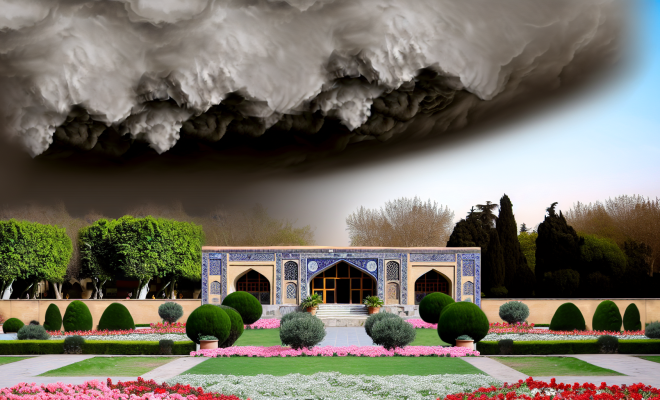
In a dramatic escalation of rhetoric and military posturing, Iran has issued stark warnings that it will target parks and tourist spots should it come under further attack. This announcement, made on March 20-21, 2026, underscores the increasing tensions between Iran and the United States, particularly in the context of recent US-Israeli military actions in the region.
Context of the Escalation
The threats from Iran come at a time when regional stability is under serious strain. Following a series of missile firings by Iran aimed at US bases in the region, the Iranian leadership has signaled a readiness to retaliate against civilian and leisure sites if provoked. This escalation is not only a message of deterrence but also a reflection of the broader geopolitical dynamics at play, particularly concerning military engagements involving the US’s advanced F-35 stealth fighter jets.
The Implications of Targeting Civilian Areas
Historically, conflicts involving military powers have often led to civilian casualties and collateral damage. Iran’s warning raises significant concerns about the potential for civilian infrastructure, including parks and tourist attractions, to become targets in a broader military confrontation. Such a strategy not only carries ethical implications but also risks further destabilizing an already volatile region, where tourism is a vital part of the economy.
Iran’s Military Capabilities and Recent Actions
Iran has been actively demonstrating its military capabilities, particularly through missile tests aimed at distant US bases. The Iranian military’s focus on long-range missile technology has been a point of concern for Western powers, as it indicates a growing capacity to project power beyond its borders. The recent announcements have highlighted the increasing boldness of Iran in the face of perceived threats from the US and its allies.
US-Israeli Military Actions
The backdrop of these warnings is characterized by intensified military actions by the US and Israel in the region. Reports indicate that these nations have been conducting military exercises and tests of advanced weaponry, including the highly prized F-35 stealth fighter jets. These actions have not only heightened tensions but have also prompted Iran to reassess its military strategies and responses.
The Role of Leadership in Escalating Tensions
The Iranian leadership plays a crucial role in shaping the country’s military and foreign policies. Key figures, including military commanders and government officials, have publicly articulated the nation’s stance against foreign aggression. Their statements often emphasize the readiness to defend national sovereignty and retaliate against any perceived threats.
- Military Commanders: Many Iranian military leaders have indicated a willingness to protect the nation’s interests, often citing national pride and sovereignty as justifications for their actions.
- Political Leaders: Iranian political figures have reiterated the importance of defending civilian life and infrastructure, even as they threaten to strike back if attacked.
Public Sentiment and Impact on Tourism
The escalating military rhetoric and the potential for conflict have significant implications for public sentiment within Iran. While the government may project strength, the threat to parks and tourist spots could lead to increased anxiety among the population and deter tourists from visiting. The tourism sector, which has been a key area for economic growth, could suffer as international visitors might reconsider travel plans amid fears of instability.
Conclusion: The Path Forward
As tensions continue to rise between Iran and the United States, the potential targeting of civilian areas marks a troubling development in the region’s geopolitical landscape. The implications of such actions could reverberate beyond military engagement, affecting economic stability, public safety, and international relations.
Moving forward, it is crucial for diplomatic channels to remain open to prevent further escalation. The international community must engage in dialogue aimed at de-escalating tensions and ensuring that the safety of civilians remains a priority in any military strategy. As the situation unfolds, the world watches closely, hoping for a resolution that avoids conflict and promotes peace.