Escalating Tensions: The Impact of Strikes and Espionage on Iran’s Stability
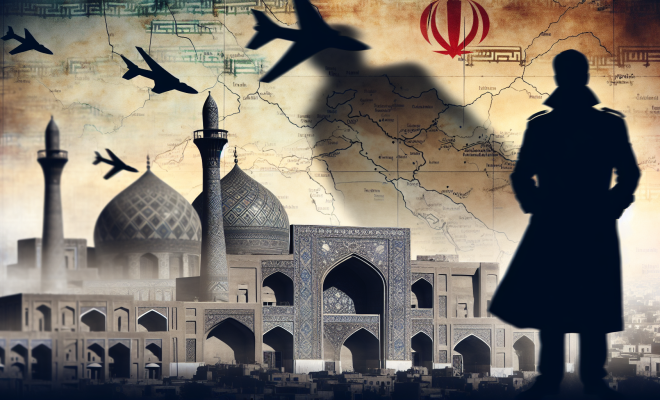
As of March 20, 2026, the geopolitical landscape in the Middle East is undergoing a significant transformation, primarily driven by escalating military actions and strategic espionage. The United States and Israel have intensified their operations against Iran, leading to severe repercussions for the nation’s military capabilities and its broader socio-political environment.
US and Israeli Strikes Dismantling Iran’s Military Power
Recent reports indicate that coordinated strikes by US and Israeli forces have effectively crippled Iran’s military infrastructure. Israeli Prime Minister Benjamin Netanyahu made a bold statement asserting that Iran is now unable to enrich uranium, a critical step in the development of nuclear weapons. This declaration underscores the intensity of the current military operations aimed at neutralizing Iran’s capabilities.
The Tactical Operations
The military strategy employed by both nations appears to be multifaceted, targeting not only military installations but also key logistical routes that support Iran’s defense apparatus. The strikes have reportedly caused extensive damage to facilities involved in uranium enrichment, disrupting Iran’s nuclear ambitions significantly.
This relentless assault has prompted heightened security measures throughout the region, particularly in Israel. Sirens sounded multiple times near Jerusalem, signaling imminent threats and prompting emergency protocols. Fragments of intercepted missiles were reported to have fallen in residential areas such as Meviser and Tel Aviv, raising alarm among the civilian population.
Tourism Disrupted Amid Rising Tensions
The ongoing conflict has significant implications beyond military strategy, notably impacting tourism—a crucial sector for Israel’s economy. A recent incident involving a US church group visiting the Mount of Olives illustrates the immediate consequences of the escalating violence. During their tour, the group was caught in an alert situation and had to be evacuated quickly, crossing into Jordan and then proceeding to Egypt due to the closure of Israeli airports.
- Evacuation Procedures: The church group’s evacuation highlights the urgent response mechanisms in place during times of crisis. Tourists are advised to remain vigilant and follow updates from local authorities.
- Impact on Tourism: The closure of airports and the fear of military action are expected to deter potential visitors, which could have lasting economic consequences for the region.
Broader Implications for Regional Stability
The strikes against Iran are not occurring in isolation. They are part of a larger strategy that includes intelligence operations aimed at destabilizing the Iranian regime from within. Spies and informants embedded within Iran are reportedly providing critical information that assists in the tactical planning of military operations. This dual approach—external military strikes combined with internal sabotage—aims to weaken Iran’s grip on power and reduce its influence in the region.
Iran’s response to these provocations has been one of increased rhetoric and military posturing. Government officials have condemned the strikes, framing them as acts of aggression that violate international norms. However, the effectiveness of Iran’s military response remains in question, as recent intelligence suggests that their capabilities are increasingly compromised.
The Role of International Relations
The current situation has drawn attention from global powers, with various nations urging restraint. Diplomatic channels are reportedly being explored to de-escalate tensions. However, the complexity of the relationships involved—particularly between Iran, the US, and Israel—complicates efforts for a peaceful resolution.
Future Prospects
As the situation continues to evolve, analysts are closely monitoring the potential outcomes. The possibility of a protracted conflict looms, as both sides appear entrenched in their positions. Iran’s leadership faces mounting internal pressure as economic sanctions and military actions threaten its stability, while Israel and the US remain steadfast in their commitment to neutralize perceived threats from Tehran.
In summary, the convergence of military strikes and espionage is reshaping the dynamics within Iran and the broader Middle East. The immediate consequences are felt through disrupted tourism and heightened security alerts, while the long-term implications could fundamentally alter the balance of power in the region.
As this narrative unfolds, it is crucial for those interested in Middle Eastern affairs to stay informed and engaged, as the repercussions of these actions will undoubtedly resonate for years to come.