Iran’s President Pezeshkian Sets Ceasefire Conditions Amid Gulf Tensions
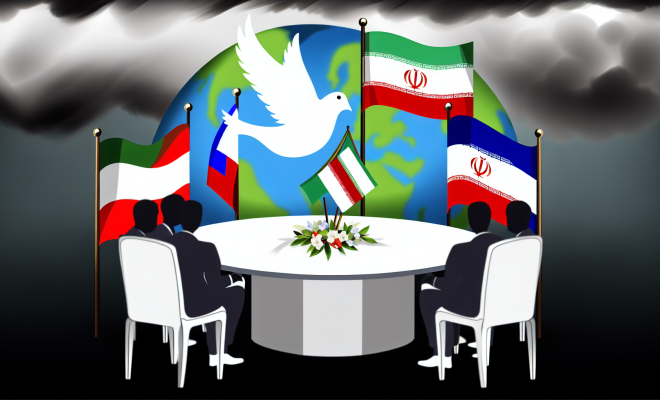
In a significant development in the ongoing conflict that has gripped the region, Iranian President Masoud Pezeshkian has outlined three critical conditions that must be met for the cessation of hostilities. This announcement comes at a time of heightened tensions, with recent attacks on foreign vessels in the Persian Gulf, raising fears of a broader escalation in the conflict.
Conditions for Peace
During a press conference, President Pezeshkian articulated the following three conditions for ending the war:
- Recognition of Tehran’s legitimate rights: Pezeshkian emphasized that any negotiations must begin with a formal acknowledgment of Iran’s sovereignty and its rightful claims in the region.
- Payment of reparations: The Iranian government is demanding compensation for damages incurred during the conflict, which they argue has significantly impacted both the nation and its citizens.
- Firm international guarantees: The President insisted on the necessity of robust international assurances to prevent any future acts of aggression against Iran.
These stipulations highlight Iran’s firm stance on its national interests and reflect a desire for a diplomatic resolution that safeguards its territorial integrity and economic stability.
Escalating Tensions in the Persian Gulf
The backdrop of Pezeshkian’s declaration is marked by escalating hostilities, particularly in the strategically vital region of the Persian Gulf. In recent days, three foreign vessels were struck overnight, and an additional three were reported damaged the previous day. These incidents have raised alarms among international shipping companies and governments, prompting concerns over maritime security in one of the world’s busiest waterways.
The attacks have drawn sharp condemnation from various nations, with calls for increased military presence in the area to protect shipping lanes vital for global oil transport. In light of these developments, Iran has warned that the ongoing conflict could lead to a dramatic surge in oil prices, potentially reaching as high as $200 per barrel. Such increases would have far-reaching implications, affecting global markets and the economies of nations dependent on oil imports.
International Reactions
The international community has been closely monitoring the situation, with various countries calling for restraint from all parties involved. The United States, in particular, has reiterated its commitment to ensuring the freedom of navigation in international waters while also warning Iran against further aggression.
Western allies have expressed concern over Iran’s demands, viewing them as a potential barrier to peace talks. Some analysts suggest that Pezeshkian’s conditions may be an attempt to project strength domestically while also seeking to leverage the situation to gain concessions from other nations.
Historical Context
The current conflict is rooted in a long history of tension between Iran and various nations, particularly the United States and its allies. Disputes over nuclear capabilities, regional influence, and human rights have all contributed to the fraught relations that have characterized Iran’s interactions on the global stage.
In recent years, Iran has faced increasing isolation due to sanctions and diplomatic pressure, leading to a more aggressive posture in its foreign policy. The nation’s leadership has often framed its military actions as necessary to defend against perceived threats, a narrative that resonates with a significant portion of the Iranian populace.
Looking Ahead
As the situation continues to evolve, the possibility of diplomatic engagement remains uncertain. President Pezeshkian’s conditions for peace indicate a willingness to negotiate but also a firm stance on Iran’s rights and security concerns. Meanwhile, the international community must navigate a complex landscape, balancing the need for stability in the region with the imperative to address Iran’s grievances.
The coming weeks will be critical in determining whether a path towards de-escalation can be found, or if the region will continue to spiral into further conflict. Observers are keenly watching for responses from other nations, particularly those that have been directly impacted by the recent attacks.
Ultimately, the resolution of this conflict will likely require a multifaceted approach involving diplomatic negotiations, economic considerations, and security guarantees that address the underlying issues at play.