Treat Poison Ivy: Your Guide to Relief & Prevention
“`html
Poison ivy is more than just a pesky plant; it’s a notorious skin irritant that can cause discomfort and frustration for those who come into contact with it. Whether you’re a seasoned hiker or just enjoying a leisurely walk in the woods, understanding how to treat poison ivy is essential. In this comprehensive guide, we’ll explore everything from what poison ivy is, to effective treatments and preventive measures.
1. Understanding Poison Ivy: The Basics
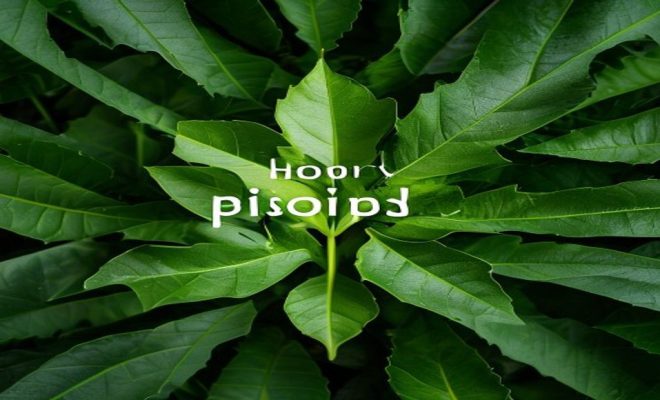
Poison ivy (Toxicodendron radicans) grows in a variety of environments across North America, often mistaken for harmless plants. This native plant produces an oil called urushiol, which is the main cause of the allergic reaction in most people. It’s important to remember the adage, “Leaves of three, let them be.” The plant typically has three leaflets that can vary in shape, size, and color, making identification crucial for prevention.
The urushiol oil can be found in every part of the plant: the leaves, stems, and roots. Even dead plants can retain this oil, so it’s essential to take precautions year-round. A mere touch of the oil can lead to severe allergic reactions in sensitive individuals, often resulting in rashes, blisters, and significant itching.
2. Symptoms of Poison Ivy Exposure: What to Look For
The symptoms of poison ivy exposure typically appear within 12 to 72 hours after contact, making it crucial to identify the source quickly. The most common symptoms include redness, itching, and swelling, which can develop into blisters. This rash often appears in streaks or patches, corresponding to where the plant brushed against the skin.
In severe cases, individuals may experience more systemic reactions, such as difficulty breathing or swallowing, particularly if urushiol comes into contact with the eyes or mouth. It’s vital to seek immediate medical attention if you experience such symptoms, as they can indicate a more serious allergic response.
3. Immediate Actions to Take After Exposure
As soon as you suspect exposure to poison ivy, take immediate action to minimize the effects. The first step is to wash the affected area with soap and water. Ideally, this should be done within the first 30 minutes of contact to effectively remove the urushiol before it binds to the skin.
If soap and water aren’t available, using wet wipes or alcohol wipes can also help. Be cautious not to spread the urushiol to other parts of your body or to other people. It’s wise to wash any clothing or gear that may have come into contact with the plant, as the oil can linger on these surfaces.
4. Home Remedies for Poison Ivy Treatment
Once the initial exposure is dealt with, you can manage the symptoms at home with various remedies. Many people find relief using cool compresses applied to the affected areas. This can help soothe itching and reduce inflammation. Additionally, oatmeal baths can provide significant comfort by calming the skin.
Over-the-counter treatments, such as hydrocortisone cream or calamine lotion, can also be effective. These medications can help relieve itching and reduce inflammation. Antihistamines, like diphenhydramine (Benadryl), may further alleviate discomfort, especially if you experience significant itching at night.
5. When to Seek Medical Attention
While most cases of poison ivy can be treated at home, there are certain situations that warrant professional medical attention. If the rash covers a large area of your body or if it affects sensitive areas, such as your face or genitals, it’s time to consult a healthcare provider.
Moreover, if you experience severe reactions, such as difficulty breathing, swelling of the throat or tongue, or signs of infection (increased redness, warmth, or pus), you should seek emergency care immediately. Some individuals may require prescription medications, such as corticosteroids, to manage their symptoms effectively. (See: CDC on poison ivy exposure.)
6. Preventive Measures Against Poison Ivy
The best way to deal with poison ivy is to avoid it altogether. Familiarizing yourself with the plant’s appearance is the first step. In addition to the “leaves of three” mantra, understanding where poison ivy typically grows—such as in wooded areas, along paths, and in open fields—can help avoid accidental exposure.
When venturing outdoors, wearing long sleeves, long pants, and gloves can create a barrier against the plant. If you’re aware you’ll be in an area where poison ivy is prevalent, consider applying barrier creams containing bentoquatum, which can provide additional protection. Always wash your clothes and gear thoroughly after outdoor activities to remove any lingering urushiol.
7. Understanding the Timeline of Poison Ivy Recovery
Recovery from poison ivy varies by individual and severity of the reaction. In mild cases, symptoms may resolve within a week or two. However, more severe reactions can last several weeks. The blisters typically crust over and begin to heal after about a week.
During recovery, it’s vital to resist the urge to scratch, as this can lead to infection. Keeping the rash clean and using topical treatments can help speed up the healing process. The timeline can also be impacted by how promptly one takes action after exposure, making timely intervention crucial for a smooth recovery.
8. Common Myths About Poison Ivy Treatment
Several misconceptions surround poison ivy and its treatment that can lead to ineffective practices. One common myth is that the rash is contagious. This is false; the rash itself is a reaction to urushiol, not an infection. As long as the oil isn’t present, you can’t spread the rash to others.
Another myth is that home remedies like vinegar or bleach can effectively treat poison ivy. In reality, these substances can irritate the skin further and worsen the symptoms. Sticking to proven treatments and remedies is essential for effective poison ivy treatment.
9. Staying Informed and Prepared
Knowledge is your best defense against poison ivy. By educating yourself about the plant, understanding its effects, and knowing how to treat poison ivy, you can confidently enjoy the outdoors without fear. Share this information with friends and family, as awareness can prevent unnecessary suffering.
In summary, being prepared with the right knowledge and tools can make a significant difference in your experience with poison ivy. Whether you’re treating it or preventing it, staying informed allows you to enjoy nature without the worry of this irritating plant.
10. Statistics on Poison Ivy Incidents
Understanding the prevalence of poison ivy exposure can provide insight into the significance of effective treatment and prevention. Studies indicate that approximately 50% to 70% of people who come into contact with poison ivy will develop a rash. This statistic underscores the importance of recognizing the plant and knowing how to respond if exposed.
Moreover, the American Academy of Dermatology estimates that over 10 million cases of poison ivy rashes occur in the U.S. annually. This alarming number highlights the need for preventative measures, especially among outdoor enthusiasts and those living in proximity to natural areas where poison ivy may thrive.
11. Expert Perspectives on Poison Ivy Treatment
Healthcare professionals emphasize the importance of immediate action after exposure to urushiol. Dr. Sarah Smith, a dermatologist, advises, “The sooner you can wash the affected area, the better your chances are of minimizing the reaction. Always carry a travel-sized soap or wipes in your outdoor kit.” This recommendation reflects a proactive approach to poison ivy exposure.
Additionally, Dr. John Miller, an allergist, notes that “the severity of reactions can vary wildly from person to person, even among family members. Understanding your own sensitivity to urushiol is key.” This insight is essential for those who may be more prone to severe reactions, as they may need to take extra precautions when in nature. (See: NIH resource on skin reactions.)
12. Long-Term Skin Care After Poison Ivy
Once the rash subsides, you might be left with residual skin sensitivity or discoloration. It’s essential to treat your skin gently during this phase. Dermatologists recommend using moisturizers that contain ingredients like aloe vera or vitamin E to aid healing. These products can help soothe the skin and promote recovery.
In cases where pigmentation changes occur, it may take several months for the skin to return to its normal color. Sunscreen is also crucial during this time, as UV exposure can exacerbate discoloration. Always apply a broad-spectrum sunscreen to any areas previously affected by poison ivy, especially if they are still healing.
13. Traveling with the Risk of Poison Ivy
If you plan to travel to areas where poison ivy is prevalent, preparation is key. Research the local flora and understand the signs of poison ivy in that region. Consider bringing a poison ivy-specific treatment kit that includes soap, hydrocortisone cream, and other remedies discussed earlier.
When hiking or exploring, staying on marked trails can help reduce the likelihood of encountering poison ivy. If you’re unsure whether a plant is poison ivy, err on the side of caution and avoid it. The more informed you are, the better you can protect yourself and your companions.
14. FAQ About Poison Ivy Treatment
What should I do if I’ve touched poison ivy?
Wash the affected area with soap and water as soon as possible. If you can do it within 30 minutes of contact, you’re more likely to prevent a rash from developing. If the rash does develop, follow the treatment options discussed in this article.
Can you get poison ivy from your pets?
Yes, pets can carry urushiol on their fur if they brush against the plant. It’s essential to wash your pets if you suspect they’ve been in contact with poison ivy and to wash your hands after petting them to avoid transferring the oil to your skin.
Is there a vaccine for poison ivy?
Currently, there is no vaccine available to prevent poison ivy reactions. The best method is prevention through awareness and avoidance of the plant.
Can home remedies completely cure poison ivy?
While home remedies can provide relief from symptoms, they do not cure the rash. The body must naturally process the urushiol and heal on its own. However, remedies can alleviate discomfort significantly.
What is the best way to treat severe poison ivy reactions?
Severe reactions often require medical intervention. A healthcare provider may prescribe oral corticosteroids to reduce inflammation or even administer an injection for rapid relief. Seeking professional help is crucial if symptoms escalate.
15. Understanding Urushiol and Its Effects
The key player in poison ivy reactions is urushiol, an oil found in the plant. This substance is highly potent, with just a tiny amount (as little as 1 nanogram) capable of triggering a reaction. Exposure can happen through direct contact with the plant or indirectly via contaminated surfaces, clothing, or pets. (See: Wikipedia entry on poison ivy.)
For some people, exposure leads to an allergic contact dermatitis response, which can be severe. Interestingly, urushiol doesn’t affect everyone equally. About 15-30% of people exposed to it won’t experience any symptoms due to a lack of sensitivity. However, sensitization can occur after repeated exposure, meaning that even those who previously had no reaction can develop one after future contact.
16. Environmental Considerations
Understanding the habitats where poison ivy thrives can significantly assist in avoiding it. This plant prefers disturbed areas and edges of forests, often growing near roadsides, gardens, and construction sites. It can also be found along riverbanks, which may surprise some people. Its adaptability allows it to flourish in diverse environments, including areas with partial sunlight and shaded spots.
Interestingly, poison ivy is not just a nuisance; it plays a role in the ecosystem. The plant provides food for certain wildlife, such as birds and insects, who consume its berries. While it can pose a challenge for humans, it is a vital part of its native habitat.
17. Managing Poison Ivy in Your Yard
If you find poison ivy growing in your yard, it’s essential to handle it carefully. Avoid pulling the plant by hand, as this can lead to direct skin exposure. Instead, consider using herbicides specifically designed to combat poison ivy, following the manufacturer’s instructions carefully. Always wear protective clothing, including gloves and a mask, to prevent any contact with urushiol.
Alternatively, you can opt for physical removal methods such as digging up the roots. This method may require multiple attempts, as poison ivy can regenerate from small root fragments. If you choose to remove it physically, ensure that you’re equipped with proper gear and dispose of the plant in a sealed bag rather than composting it.
18. Key Takeaways for Poison Ivy Treatment
When it comes to handling poison ivy, the importance of prevention cannot be overstated. Always be vigilant in identifying the plant and practicing good hygiene immediately after exposure. Remember to have the necessary treatments on hand, especially if you frequent areas where poison ivy is prevalent. Education is your most powerful tool in preventing and managing poison ivy encounters.
Additionally, sharing information about poison ivy treatment with family and friends can help create a more informed community, making everyone more aware and cautious when enjoying the great outdoors. By understanding both the plant and effective treatment options, you can minimize discomfort and enjoy nature without worry.
“`
Trending Now
Frequently Asked Questions
What is poison ivy and how does it affect the skin?
Poison ivy (Toxicodendron radicans) is a plant that contains an oil called urushiol, which can cause allergic reactions upon contact. Symptoms include redness, itching, swelling, and blisters, typically appearing within 12 to 72 hours after exposure.
How can I identify poison ivy?
Poison ivy is characterized by its three leaflets, which can vary in shape and color. A common saying is 'Leaves of three, let them be.' It's important to recognize this plant in various environments to avoid contact.
What should I do if I come into contact with poison ivy?
If you come into contact with poison ivy, wash the affected area with soap and water as soon as possible. This helps remove urushiol oil and reduce the risk of a rash. Avoid touching other areas of your body until you wash your hands.
What are the symptoms of poison ivy exposure?
Symptoms of poison ivy exposure include redness, itching, swelling, and blistering of the skin. These symptoms can develop in streaks or patches where the plant has made contact and may appear 12 to 72 hours after exposure.
When should I seek medical attention for poison ivy?
You should seek medical attention if you experience severe symptoms such as difficulty breathing, swallowing, or if urushiol comes into contact with your eyes or mouth. These can indicate a serious allergic reaction that requires immediate care.
Agree or disagree? Drop a comment and tell us what you think.