Master Nail Shaping: Techniques for Perfect Nails
“`html
Nail care is an essential aspect of personal grooming that often gets overlooked. While many people focus on the color and polish of their nails, the actual shape can dramatically affect the overall appearance. Understanding nail shaping techniques not only enhances the beauty of your hands but also promotes nail health and strength. This article delves into the various techniques, tools, and tips to help you achieve the perfect nail shape.
1. The Importance of Nail Shape
Nail shape might seem like a minor detail, but it plays a significant role in how well a manicure holds up and how your hands look overall. Different shapes can complement your finger length, hand size, and even the type of nail polish you choose. For instance, squoval nails (a blend of square and oval) are versatile and flattering for most hand types.
Moreover, the right shape can also affect the health of your nails. For example, nails that are filed too sharply at the edges may weaken and are more prone to breakage. Thus, adopting suitable nail shaping techniques ensures not only beauty but also durability.
2. Essential Tools for Nail Shaping
Before diving into specific nail shaping techniques, it’s crucial to have the right tools on hand. Here’s a list of essentials:
- Nail clippers: Invest in high-quality nail clippers for clean cuts.
- Nail files: Use a variety of files, including emery boards and glass files for different effects.
- Buffer blocks: A buffer can help smooth out ridges and give your nails a shine.
- Cuticle pushers: For maintaining healthy cuticles, a cuticle pusher can help push back skin around the nail.
- Moisturizing lotion: Keeping nails and cuticles hydrated can improve the overall appearance.
Having the right tools makes the shaping process much more manageable and effective. You can achieve your desired nail shape with minimal effort and maximum results.
3. Nail Shaping Techniques: The Basics
Once you have your tools ready, it’s time to learn some basic nail shaping techniques. Here are the most common shapes:
- Square: Characterized by straight edges and a flat tip, square nails are perfect for a bold look.
- Oval: Oval nails are longer with rounded tips, which can give the illusion of longer fingers.
- Round: This shape has softer edges, making them ideal for shorter nails.
- Squoval: A hybrid of square and oval, it’s great for both elegant and practical looks.
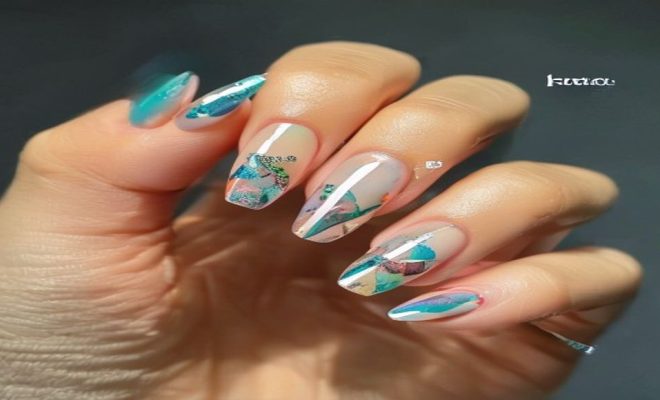
- Almond: Tapered towards the tip, almond nails elongate the fingers and are very trendy.
Choosing the right shape depends on your personal style and hand structure, but it’s advisable to try different shapes to see what suits you best.
4. How to Achieve Square Nails
To create square nails, start by cutting your nails straight across with nail clippers. Next, file the edges straight down to maintain the shape. Make sure to file in one direction to prevent peeling. After achieving the desired length, you can slightly round the corners, if desired, but keep the overall shape square.
Square nails tend to look chic and can pair beautifully with a bold nail color. They’re particularly popular for those who like a more modern and edgy aesthetic.
5. Forming Oval Nails
Oval nails require a bit more finesse than square nails. Start by cutting your nails to a moderate length. Begin filing from the sides, gently rounding the corners as you go. The key is to ensure that the sides taper down towards the tip without being too narrow. (See: Nail care and health guidelines.)
This shape helps create a soft appearance, making it a favorite among those who prefer a more feminine look. Oval nails can also help make shorter fingers look longer, which is an added bonus.
6. Creating Round Nails
Round nails are the easiest to shape and maintain. Begin by trimming your nails to a short length. File in a rounded motion from the sides towards the center. Ensure that you keep the curve smooth and natural, resembling the shape of the fingertip.
Round nails are practical for those who frequently use their hands or engage in activities that may risk nail breakage. They’re less likely to snag compared to square edges, providing a balanced look without compromising on style.
7. Shaping Squoval Nails
The squoval shape combines the best aspects of square and oval. Start with square nails and gently file the edges, rounding them to create a squoval shape. This combination retains the durability of square nails while softening the overall appearance.
Squoval nails are versatile and can be styled with a variety of nail art designs and colors. They’re especially popular in professional settings where a polished yet approachable appearance is desired.
8. Mastering Almond Nails
To shape almond nails, begin with a moderate length. Cut the nails straight across, but leave a bit of length at the tips. Then, file down the sides towards the center, creating an elongated point at the tip. Make sure not to overdo it at the tip, as it should remain rounded rather than sharp.
Almond-shaped nails add a touch of glamour and elegance, often favored in high-fashion circles. They can also look stunning with intricate nail art due to their elongated shape.
9. Maintaining Your Nail Shape
After achieving your desired nail shape, it’s crucial to maintain it. Regular filing and trimming will prevent splits and breakage. Additionally, keep your nails and cuticles moisturized to maintain their strength and appearance. A weekly manicure can help keep everything in check.
Be mindful of your habits as well. Avoid using your nails as tools, which can cause damage, and always wear gloves when engaging in household chores that may weaken your nails. Ultimately, preventive care is one of the best ways to keep your nails looking their best.
10. Current Trends in Nail Shapes and Techniques
As with any aspect of beauty, nail shapes and techniques evolve over time. Currently, trends like coffin nails (long, tapered with a flat tip), graphic designs, and mixed shapes are gaining popularity. Additionally, nail art has become a significant part of nail shaping, allowing for personalization and creativity.
Staying informed about current trends can help you keep your manicure fresh and stylish. Don’t hesitate to experiment with different shapes, colors, and designs to find what resonates with you.
11. Nail Shaping Techniques for Different Nail Types
Nail shaping isn’t a one-size-fits-all process. Different nail types can benefit from specific shaping techniques. Let’s explore some common nail types: (See: CDC nail care recommendations.)
- Thin Nails: If your nails are thin or fragile, opt for rounded shapes to reduce the risk of breakage. A square shape might look good initially, but the sharp edges can lead to peeling and splits.
- Thick Nails: For thick nails, square or squoval shapes can help create a balanced look. You might need to file more aggressively to achieve the desired shape.
- Brittle Nails: If your nails tend to chip easily, consider round or oval shapes. These curves allow for some natural movement and flexibility, helping to prevent breakage.
- Nail Bitten Nails: If you’ve been a nail biter, consider starting with a round shape, which is easier to maintain. Over time, you can transition to more elaborate shapes as your nails grow and strengthen.
Understanding your nail type will enable you to select the best techniques for shaping them, ensuring you get the most out of your manicure.
12. Expert Tips for Perfect Nail Shaping
Achieving the perfect nail shape requires attention to detail and some expert knowledge. Here are some tips from professionals:
- File with Care: Always file in one direction rather than back and forth. This minimizes damage and keeps your nails healthy.
- Choose the Right File: A fine-grit file is great for natural nails, while a coarse file can be used for acrylics or gel nails.
- Take Breaks: Allow your nails to breathe between manicures. This helps prevent weakening and allows the nails to recover.
- Hydrate: Regularly use cuticle oil to keep your cuticles healthy and supple. It’s also a good idea to moisturize your hands regularly.
By incorporating these tips, you can elevate your nail care routine and achieve salon-quality results at home.
13. Innovative Nail Art Techniques to Enhance Shapes
Nail art has become an integral part of the nail shaping process. Here are some innovative techniques to enhance your nail shapes:
- Negative Space Designs: Use the natural nail shape as part of your design. For example, pairing a squoval shape with geometric patterns can create a modern look.
- Ombre Effects: This technique can add depth to any nail shape. Consider a gradual color change on oval nails for a stunning effect.
- Textured Nails: Adding texture through embellishments or matte topcoats can highlight the shape of your nails, making them the focal point.
- Glitter Gradients: A glitter gradient can add a playful twist to almond shapes, emphasizing their elegance while keeping things fun.
These nail art techniques can help you express your personality while showcasing your beautifully shaped nails.
14. Frequently Asked Questions about Nail Shaping Techniques
What is the best shape for my nails?
The best shape depends on your personal style, nail type, and hand structure. For instance, if you have shorter fingers, oval or almond shapes might elongate your hands visually. If you prefer a bold look, square or squoval shapes are great choices.
How often should I reshape my nails?
It’s recommended to reshape your nails every 2-3 weeks, depending on how quickly your nails grow and how often you engage in activities that may damage them.
What can I do if my nails are uneven?
Use a nail file to gradually shape the shorter nail to match the longer one. It’s important to file carefully and avoid taking too much length off too quickly.
Are there any risks to shaping my nails at home?
Yes, improper filing techniques can cause damage to the nail bed or lead to painful hangnails. Always use quality tools, file gently, and consider consulting a professional if you’re unsure.
Can I shape my nails if I have acrylics or gels on?
Yes, but only if you are comfortable and knowledgeable about the process. Shaping acrylic or gel nails usually requires a specific technique and tools. If you’re uncertain, it’s best to visit a nail technician.
What nail shape is recommended for special occasions?
For special occasions, many opt for elegant shapes like almond or stiletto, which can look stunning with decorative nail art. The choice depends on the outfit and the image you wish to project, so feel free to experiment!
Can nail shaping affect nail health?
Absolutely! Proper nail shaping can prevent issues like splitting and peeling. Choosing the right shape for your nail type and filing gently in one direction can promote healthier nails.
15. Understanding Nail Health and Care
Healthy nails are the foundation of beautiful nail shapes. Paying attention to your nail health is crucial in achieving and maintaining your desired shapes. Here are some practices to keep your nails in top condition:
- Nutrition: Consuming a balanced diet rich in vitamins and minerals, particularly biotin, can enhance nail growth and strength.
- Hydration: Drinking plenty of water keeps your body and nails hydrated. Dehydrated nails can become brittle and prone to breakage.
- Avoiding Harmful Chemicals: Be cautious with exposure to harsh chemicals, such as those in cleaning products. Always wear gloves when cleaning or using chemicals to protect your nails.
Fostering healthy habits will promote the growth of strong, beautiful nails that are perfect for shaping.
16. Nail Shaping Techniques for DIY Enthusiasts
If you’re passionate about DIY nail care, mastering nail shaping techniques is a rewarding skill. Here are some steps to help you shape your nails effectively at home:
- Prep Your Nails: Start with clean, dry nails. Remove any old polish and wash your hands to eliminate any dirt.
- Clip if Necessary: If your nails are long, use clippers to shorten them before filing.
- Choose Your Shape: Decide on the shape you want to achieve and choose the appropriate file.
- Filing Technique: File gently, using long strokes in one direction. Avoid a sawing motion, as this can damage the nail.
- Final Touches: Buff the edges to smooth out any rough spots and apply a nourishing oil or moisturizer afterward.
With practice and patience, you’ll find that shaping your nails at home can be both easy and satisfying.
Nail shaping techniques are not just about aesthetics; they play an important role in the health and strength of your nails. By understanding the different shapes and how to achieve them, you can elevate your nail care routine and enjoy beautiful, well-shaped nails that suit your style.
“`
Trending Now
Frequently Asked Questions
What are the different nail shapes?
There are several popular nail shapes including square, oval, almond, stiletto, and squoval. Each shape can complement different hand sizes and finger lengths, enhancing the overall appearance of your manicure.
How do I shape my nails at home?
To shape your nails at home, start by trimming them with quality nail clippers. Use a nail file to gently shape the edges, choosing a style that suits your preference. Always file in one direction to avoid splitting.
What tools do I need for nail shaping?
Essential tools for nail shaping include high-quality nail clippers, various nail files (like emery boards and glass files), buffer blocks, cuticle pushers, and moisturizing lotion to keep your nails and cuticles healthy.
How can I maintain healthy nails while shaping?
To maintain healthy nails, avoid filing them too sharply, which can cause breakage. Regularly moisturize your nails and cuticles, and use a buffer to smooth out ridges while ensuring not to overbuff.
Why is nail shape important?
Nail shape is important because it impacts both the aesthetic appeal of your hands and the durability of your manicure. The right shape can enhance finger length and hand size while promoting nail health.
What’s your take on this? Share your thoughts in the comments below — we read every one.