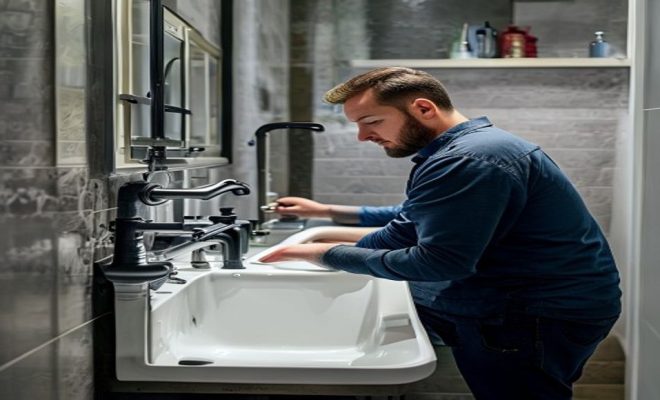
Master Pipe Section Replacement: A DIY Guide

“`html
Replacing a section of pipe can seem daunting, but with the right guidance and tools, you can tackle this task with confidence. Whether you’re dealing with leaks, corrosion, or blockages, understanding the process of pipe section replacement is essential for maintaining your plumbing system. In this comprehensive guide, we’ll cover everything you need to know about replacing pipe sections, from the necessary tools to the step-by-step process, ensuring you’re well-equipped to handle your plumbing needs.
1. Understanding Pipe Section Replacement
Pipe section replacement refers to the process of removing a damaged or worn-out section of pipe and installing a new piece. This operation is critical for ensuring the integrity and functionality of your plumbing system. Common issues that necessitate pipe section replacement include leaks, cracks, or corrosion, which can lead to water damage or reduced water pressure.
Before beginning the replacement, it’s crucial to assess the extent of the damage. Minor issues might just require repairs, while significant damage often means a complete section replacement is necessary. Knowing the types of pipes in your plumbing system and their material—whether PVC, copper, or galvanized steel—will inform your approach to the replacement.
2. Tools and Materials Needed
To successfully replace a pipe section, you’ll need to gather the right tools and materials. Here’s a list to get you started:
- Pipe Cutter: A specialized tool that will help you cut through the pipe cleanly.
- Measuring Tape: Essential for obtaining the correct pipe length.
- Replacement Pipe: Ensure you have the right type and size of pipe for your plumbing system.
- Couplings: These are used to connect the new pipe to the existing sections.
- Pipe Wrench: Useful for tightening fittings and securing connections.
- Sealant/Teflon Tape: To ensure leak-proof connections between the pipes.
- Safety Gear: Gloves and goggles to protect yourself during the process.
Having these tools at your disposal will streamline the replacement process and help you avoid unnecessary delays.
3. Safety Precautions to Consider
Safety should always be your top priority when undertaking any plumbing work, particularly when it involves pipe section replacement. Here are key safety precautions to keep in mind:
- Shut Off the Water Supply: Always turn off the main water supply before starting the replacement to prevent water from flooding your workspace.
- Drain the Pipes: Open faucets in the house to drain any remaining water in the pipes, reducing the risk of spills.
- Wear Protective Gear: Use gloves and goggles to protect yourself from sharp edges and debris.
- Work in a Well-Ventilated Area: If you’re using any chemicals or sealants, ensure there’s adequate airflow to avoid inhalation.
By adhering to these safety measures, you’ll minimize risks and ensure a smoother pipe replacement process.
4. Identifying the Damaged Pipe Section
Before you can replace a section of pipe, you need to accurately identify the damaged area. Check for visible signs of damage like rust, corrosion, or leaks. In some cases, it may be necessary to use a pipe inspection camera to spot issues within walls or underground.
Once you’ve pinpointed the damaged section, mark the area you plan to remove. It’s crucial to measure the length of the damaged section accurately, as this will determine how much new pipe you need to purchase. Always consider replacing a slightly longer section if the damage extends beyond what you initially observed. (See: Understanding pipefitting techniques.)
5. Cutting Out the Damaged Section
Now that you’ve identified the problem area, it’s time to cut out the damaged section. Using your pipe cutter, carefully score the pipe where you marked it earlier. Ensure you’re making straight cuts to facilitate a proper fit for the new section.
After cutting, remove burrs from the edges of the remaining pipe to ensure a clean connection with the new piece. If you’re replacing a pipe in a tight space, a hacksaw might be necessary, but a dedicated pipe cutter usually yields cleaner results.
6. Installing the New Pipe Section
With the old pipe removed, it’s time to install the new section. Begin by measuring and cutting the new pipe to the required length, ensuring that it matches the section you removed. Once cut, dry-fit the new section with couplings to check that everything aligns correctly.
Before permanent installation, apply sealant or Teflon tape to the threaded ends of the pipe and the couplings to create a watertight seal. Then, secure the couplings firmly with the pipe wrench, ensuring they’re tight but not overtightened, which can risk cracking the pipe.
7. Testing for Leaks
After installing the new pipe section, it’s critical to test for leaks before closing up any walls or covering the area. Turn the main water supply back on slowly, monitoring closely for any signs of leaking at the connections.
If you spot a leak, turn the water off immediately and tighten the fittings as needed. It’s better to address any issues now rather than face water damage down the line. Once you’re confident that the new section is secure and leak-free, you can proceed with any necessary drywall repairs or restoration.
8. Maintenance Tips for Longevity
Once you’ve successfully replaced a pipe section, implementing regular maintenance can significantly extend the life of your plumbing system. Here are some practical tips:
- Regular Inspections: Conduct periodic inspections of your pipes to catch issues early before they escalate.
- Monitor Water Pressure: High water pressure can cause stress on pipes, leading to cracks or leaks.
- Keep Pipes Insulated: Insulation can protect pipes from freezing in cold weather, reducing the risk of cracks.
- Address Clogs Promptly: Slow drains can be a sign of a blockage and should be cleared as soon as possible to avoid damage.
By being proactive about maintenance, you can avoid future pipe replacements and keep your plumbing system running smoothly. There’s a fuller look at Flint water crisis insights.
9. When to Call a Professional
While some homeowners are comfortable tackling pipe section replacement on their own, there are times when calling a professional is the best course of action. If you encounter multiple damaged areas, complex plumbing systems, or insufficient experience, seeking an expert can save you time and prevent costly mistakes.
Additionally, if you’re unsure about local building codes or regulations, a licensed plumber can ensure your work complies with legal standards. It’s always wise to weigh your own ability against the complexity of the job and the potential risks involved.
10. Types of Pipes and Their Specific Replacement Considerations
Understanding the various types of pipes you might encounter in your plumbing system can help you ensure a successful replacement. Here’s a breakdown of common materials and their specific considerations: (See: Importance of maintaining plumbing systems.)
10.1. PVC Pipes
PVC (Polyvinyl Chloride) pipes are commonly used in residential plumbing due to their affordability and resistance to corrosion. When replacing a section of PVC pipe, ensure you use a compatible solvent cement for joints. It’s important to allow the cement to fully cure before turning the water back on.
10.2. Copper Pipes
Copper pipes are known for their durability and longevity. If you’re replacing a section of copper pipe, soldering is often required to join the new pipe with the existing one. This process requires some skill and knowledge, so if you’re not comfortable, it might be worth hiring a professional.
10.3. Galvanized Steel Pipes
Galvanized steel pipes are less common in newer homes but still present in many older structures. These pipes can corrode from the inside, causing blockages and leaks. When replacing galvanized pipes, be aware that they are typically threaded, and you’ll need to use a pipe wrench for secure fittings. Also, consider transitioning to PVC or copper to avoid future corrosion issues.
11. Common Mistakes to Avoid
Even seasoned DIYers can make mistakes during pipe section replacement. Here are a few common pitfalls to watch out for:
- Not Measuring Twice: Always double-check your measurements before cutting the new pipe. It’s better to take your time than to waste materials on incorrect cuts.
- Ignoring Local Codes: Depending on your location, there may be specific building codes to follow. Failing to comply can lead to fines or the need to redo your work.
- Using the Wrong Materials: Ensure that your replacement pipe matches the diameter and type of the original pipe. Mixing materials can lead to leaks or weaknesses in the plumbing system.
- Over-tightening Connections: While it’s essential to secure fittings tightly, over-tightening can lead to cracks or deformations, especially in plastic pipes.
12. Cost Considerations When Replacing Pipe Sections
Understanding the costs involved in pipe section replacement is essential for budgeting your project effectively. Here are some factors to consider:
- Material Costs: The price of pipe materials can vary significantly. PVC is typically cheaper than copper, but the choice often depends on the specific needs of your plumbing system.
- Labor Costs: If you choose to hire a professional plumber, labor costs can account for a large portion of the overall expense. Rates can vary based on location and the complexity of the job.
- Additional Supplies: Don’t forget to factor in the cost of tools and supplies like couplings, sealants, and possibly inspection cameras for diagnosing issues.
- Future Repairs: Consider the long-term costs associated with the material you choose. Investing in higher-quality materials might save you money on repairs and replacements in the future.
13. FAQs about Pipe Section Replacement
13.1. How long does it take to replace a section of pipe?
The time taken can vary based on the complexity of the job and your level of experience. Generally, it might take anywhere from a couple of hours to a full day.
13.2. Can I replace a pipe section without turning off the water supply?
It’s strongly advised to shut off the water supply to avoid flooding your workspace and to ensure safety while you work.
13.3. What if I encounter a pipe that is difficult to reach?
For pipes in hard-to-reach areas, consider using flexible pipe wrenches or specialized tools designed for tight spaces. If it’s too complex, consult a professional plumber.
13.4. Is it necessary to replace an entire pipe section if there’s a small leak?
Not always. Small leaks can often be fixed with sealants or repairs. However, if corrosion or damage is extensive, replacing the section may be the best option. (See: Common plumbing problems and solutions.)
13.5. What are the signs that I need to replace a pipe section?
Common signs include frequent leaks, decreased water pressure, visible corrosion, and discolored water. If you notice any of these, it’s worth investigating further.
14. Preventative Measures and Long-term Solutions
To minimize the need for future pipe section replacements, consider implementing preventative measures. Here are some strategies to enhance the longevity of your plumbing system:
- Water Quality Management: Regularly test your water for contaminants and adjust your filtration system as necessary. High mineral content can lead to pipe degradation over time.
- Routine Maintenance Checks: Schedule annual plumbing inspections to catch potential issues early. Plumbers can perform more advanced checks that you might not be able to do yourself.
- Pipe Insulation: Insulating your pipes, especially in colder climates, can prevent freezing and subsequent breakage. Insulation materials are affordable and easy to apply.
- Upgrading Old Pipes: If your home has aging plumbing, consider a phased replacement or upgrade to more durable materials. This can save you in future repair costs as newer materials are often more resistant to problems.
15. Real-life Examples of Pipe Section Replacement
Understanding how pipe section replacements are handled in real-life situations can provide valuable insight. Here are a couple of scenarios that illustrate different challenges and solutions:
15.1. DIY vs. Professional Replacement
A homeowner discovered a small leak under their kitchen sink. After a quick inspection, they realized that a section of copper pipe had corroded. They opted to replace the section themselves, which took about three hours, including the time to run to the hardware store. During the process, they encountered a stubborn coupling that required some additional tools, but ultimately, they successfully completed the job, saving on labor costs.
15.2. Complex Issues in Older Homes
In an older home, the plumbing system consisted of a mix of galvanized steel and copper pipes. During a renovation, the contractor found extensive corrosion in several sections. They recommended a complete replacement of the galvanized pipes to prevent future issues. This project was more complex, involving rerouting pipes and ensuring compliance with modern plumbing codes. The investment in quality materials ultimately led to a significant reduction in plumbing problems and costs for the homeowner.
16. Conclusion: Taking Control of Your Plumbing
Replacing a section of pipe is an essential skill for any homeowner or DIY enthusiast. With proper preparation, the right tools, and a commitment to safety, you can successfully complete a pipe section replacement and maintain your plumbing system’s integrity. Keep this guide handy for your next plumbing project, and remember to tackle each step with care and confidence.
“`
Trending Now
Frequently Asked Questions
What tools do I need to replace a section of pipe?
To replace a section of pipe, you will need a pipe cutter, measuring tape, a replacement pipe, couplings, a pipe wrench, sealant or Teflon tape, and safety gear like gloves and goggles to ensure safe and effective work.
How do I know if I need to replace a pipe section?
You may need to replace a pipe section if you notice leaks, cracks, or corrosion. Assess the damage; minor issues may only require repairs, while significant damage typically necessitates a complete section replacement to maintain your plumbing's integrity.
What types of pipes can be replaced?
You can replace various types of pipes, including PVC, copper, and galvanized steel. Knowing the type and material of the pipes in your plumbing system is crucial for selecting the right replacement pipe.
Can I replace a section of pipe myself?
Yes, you can replace a section of pipe yourself if you have the right tools and follow the proper steps. However, ensure you understand the process and safety precautions involved to avoid potential plumbing issues.
What should I do before replacing a pipe section?
Before replacing a pipe section, assess the extent of the damage, gather necessary tools and materials, and ensure you have the correct type and size of the replacement pipe to match your plumbing system.
Agree or disagree? Drop a comment and tell us what you think.