Craft Your Own Stylish Tote Bag: A DIY Tutorial
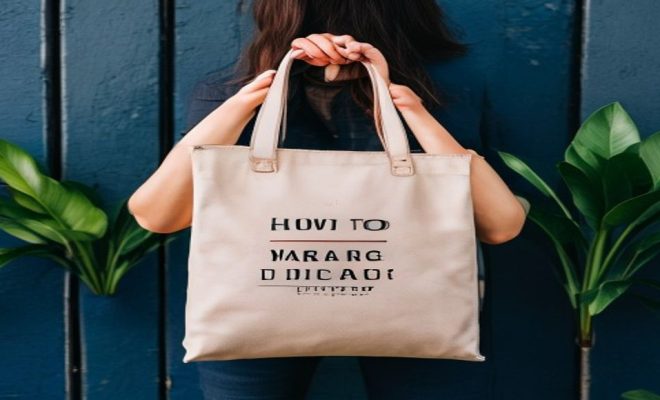
“`html
In today’s world, tote bags have become more than just a practical accessory; they are a fashion statement, an eco-friendly option, and a canvas for personal expression. If you’re looking to create something unique, this tote bag tutorial is your gateway to making a stylish and functional item that you can use for shopping, work, or leisure. Let’s explore how you can make your very own tote bag, covering everything from material selection to finishing touches.
1. The Basics of Tote Bags
Tote bags are characterized by their large, open tops and sturdy handles. Made from various materials ranging from cotton to canvas, these bags are designed to carry a wide variety of items. Historically, tote bags emerged as practical solutions for carrying everyday goods, but in recent years, they’ve evolved into personalized accessories that showcase individual style.
Understanding the structure of a tote bag is vital before you start. Typically, tote bags feature a rectangular body, two parallel handles, and may include additional pockets or embellishments. A simple design allows for versatility, making it suitable for both casual outings and more formal occasions.
2. Selecting Your Materials
Choosing the right materials is crucial for both the look and functionality of your tote bag. The most common fabrics include cotton canvas, denim, and synthetic fibers. Cotton canvas is popular for its durability and ease of sewing, while denim offers a trendy, rugged appearance. If you prefer a more eco-friendly option, consider using recycled materials or organic cotton. tote bag ideas for teachers offers useful background here.
Besides fabric, you’ll need a few additional supplies: thread (preferably polyester for strength), scissors, a sewing machine (or needle and thread for hand sewing), pins, and a ruler. Additionally, if you want to add some flair, consider including fabric paint, patches, or decorative buttons.
3. Measuring and Cutting Your Fabric
Once you’ve gathered your materials, it’s time to measure and cut your fabric. For a standard tote bag, cut two pieces of fabric measuring 15 inches wide by 18 inches tall for the body of the bag. If you want to add a pocket, cut an additional piece of fabric, approximately 6 inches by 8 inches.
Precision is key in this step; using a ruler and fabric chalk or a marker will help ensure accurate measurements. Remember to factor in seam allowances of about half an inch when cutting your fabric. After cutting, make sure to straighten any uneven edges, as this will make sewing much easier.
4. Creating the Pocket
If you’re opting to add a pocket, start by folding the edges of the pocket fabric under about a quarter inch and press with an iron to create a clean edge. This not only helps with aesthetics but also prevents fraying. Fold the pocket in half, right sides together, and sew along the sides and bottom, leaving the top open. (See: History and design of tote bags.)
Turn the pocket right-side out and press again. Now, position it on one of the main fabric pieces, about 3 inches from the top, and pin it in place, making sure it’s centered. This pocket is perfect for storing small items like your phone or keys, adding both function and style to your tote bag.
5. Sewing the Main Body
With your pocket secured, it’s time to sew the main body of the tote bag. Place the two main fabric pieces together, right sides facing each other. Pin along the sides and bottom edges, ensuring everything is aligned properly. Start sewing from the top, sewing down the sides and across the bottom, again leaving a half-inch seam allowance. Related reading: teacher tote inspiration.
After you’ve sewn the sides and bottom, you can create a boxed bottom to give your tote bag more structure. To do this, pinch the corners of the bag, aligning the side seam with the bottom seam, and sew across the corner. Repeat for the other side. This small step adds depth to your bag, allowing for more storage space.
6. Attaching the Handles
Handles are not just functional; they significantly affect the overall look of your tote bag. You can use store-bought straps or create your own from the same fabric. If making your own, cut two strips of fabric measuring 3 inches wide by 24 inches long.
Fold each strip in half lengthwise and press. Then, open the fabric back up and fold each side to the center crease, followed by folding it in half again. This will create a sturdy handle. Sew along both long edges to secure your handles. Attach the handles to the top of your tote bag, making sure they are evenly spaced and securely stitched in place — this is crucial for durability.
7. Finishing Touches
Now that your tote bag is almost complete, it’s time for the finishing touches. Trim any excess threads and turn the bag right-side out. Press the seams with an iron to give your tote a polished look. If you’d like to add any embellishments like fabric paint, patches, or embroidery, now is the time to do it. Personalizing your tote bag will make it truly one-of-a-kind.
Additionally, consider adding a closure for security. You could sew on a button and loop, or attach a magnetic snap for a more modern look. These small alterations can significantly enhance both the functionality and style of your tote bag.
8. Using Your Tote Bag
With your tote bag completed, it’s time to put it to use! Whether you’re heading to the grocery store, the beach, or a weekend getaway, a tote bag is an incredibly versatile accessory. Carry it comfortably on your shoulder, or use it to elevate your outfit as a stylish handbag. Plus, by making your own tote bag, you’re contributing to reducing plastic waste, as these reusable bags are much more eco-friendly. (See: Eco-friendly shopping tips.)
Consider sharing your creation with friends or even gifting it to someone special. A handmade tote bag can be a thoughtful present for birthdays, holidays, or just a gesture of appreciation. You can even host a tote bag-making party, bringing friends together for a fun and creative evening.
9. Current Trends in Tote Bags
The tote bag market has seen a resurgence in recent years, with various trends emerging. From minimalist designs to bold colors and patterns, there’s something for everyone. Sustainable materials and ethical production are also gaining traction among consumers who are more environmentally conscious. This builds on stylish bags for educators.
Additionally, functional features like insulated linings for food storage or compartments for electronics are becoming popular. As you create your tote bag, consider how you can incorporate these current trends to make your design not only stylish but also relevant to today’s needs.
10. Common Mistakes to Avoid
When embarking on your tote bag-making journey, it’s easy to overlook a few key details that can affect the final product. Here are some common mistakes to steer clear of:
- Not pre-washing your fabric: Always pre-wash your fabric to prevent shrinkage after you’ve sewn your bag. This will help maintain the shape and size of your tote.
- Skipping the ironing: Don’t skip the ironing step after cutting your fabric. It ensures that your pieces are flat and easier to sew together.
- Ignoring the weight limit: Keep in mind the strength of the fabric and handles when filling your tote. Overloading it can lead to seams tearing or handles breaking.
- Forgetting seam allowances: Always make sure to account for seam allowances in your measurements. Underestimating can lead to a bag that’s too small or uneven.
- Not reinforcing the handles: If you’re planning to use your tote for heavier items, reinforce the handles by sewing them more securely or using additional fabric.
11. FAQs About Tote Bags
What is the best fabric for a tote bag?
The best fabric often depends on how you plan to use the tote bag. Cotton canvas is a great all-around choice due to its durability and ease of care. For a more stylish look, consider denim or even upholstery fabric for a sturdier option. If eco-friendliness is important, organic cotton or recycled materials are excellent choices.
How much fabric do I need for a standard tote bag?
A standard tote bag typically requires about half a yard of fabric. However, if you’re adding pockets or planning to line the bag, you may need additional fabric. It’s always good to purchase a little extra to account for mistakes or adjustments.
Can I wash my tote bag?
Yes, most tote bags made from cotton or canvas can be machine washed. However, check the fabric care instructions before washing. To maintain the shape, it’s often recommended to air dry the bag instead of using a dryer. We covered recycled crafts for Earth Day in more detail.
How can I personalize my tote bag?
There are countless ways to personalize your tote bag! Consider using fabric paint or markers to add designs or quotes. You can also sew on patches, attach buttons, or use embroidery to make it unique. Adding embellishments allows you to express your personal style. (See: Tote bags as a fashion statement.)
Are tote bags environmentally friendly?
Yes, tote bags are generally more environmentally friendly than single-use plastic bags. By using a reusable tote, you reduce plastic waste and your carbon footprint. To increase the eco-friendliness, consider making your tote from sustainable materials.
12. Advanced Techniques for Tote Bags
If you’re looking to take your tote bag-making skills to the next level, consider incorporating some advanced techniques:
- Adding a lining: A lining not only adds a professional finish but can also give your tote bag extra durability. Choose a fabric that complements your outer fabric.
- Incorporating zippers or closures: For added functionality, you might want to add a zipper closure at the top of the bag. This keeps your items secure and adds a more polished look.
- Using interfacing: Interfacing can provide additional structure and sturdiness to your tote bag. This is especially helpful if you’re using lighter fabrics.
- Patchwork designs: Experiment with patchwork for a colorful and unique look. This can be a fun way to use up fabric scraps.
- Implementing adjustable straps: Instead of fixed-length straps, consider making adjustable straps for versatility in carrying styles.
13. Creative Ideas for Tote Bag Designs
Designing your tote bag can be one of the most enjoyable parts of the process. Here are some creative ideas to inspire your next project:
- Seasonal Themes: Create tote bags that reflect different seasons or holidays. Think floral prints for spring, bright colors for summer, earthy tones for fall, and festive designs for winter.
- Graphic Elements: Incorporate your favorite quotes or images using fabric paint or printing techniques. This creates a personalized touch that can be a conversation starter.
- Upcycling Projects: Transform old clothing or fabric remnants into unique tote bags. For example, an old pair of jeans can be upcycled into a sturdy tote with pockets already built-in.
- Mixing Textures: Combine different fabric textures for a multi-dimensional look. Use canvas for the body and a softer fabric for the handles or lining.
- Themed Collections: Make a series of tote bags that match a specific theme, like travel, nature, or art. This can be a fun way to explore different fabrics and styles.
14. How to Market Your Tote Bags
If you’re considering turning your tote bag-making hobby into a business, marketing your bags effectively is key. Here are some strategies to help you reach potential customers:
- Social Media Presence: Use platforms like Instagram and Pinterest to showcase your creations. High-quality images of your tote bags in various settings can attract attention.
- Local Markets and Craft Fairs: Participate in local events to sell your bags. This not only provides an outlet for sales but also helps you connect with your community.
- Online Stores: Set up an online shop on platforms like Etsy or Shopify where customers can easily browse and purchase your designs.
- Collaborations: Partner with local businesses or influencers for cross-promotions. This can broaden your audience and create buzz around your products.
- Customer Engagement: Encourage satisfied customers to share photos of their tote bags on social media, creating a community around your brand.
15. Conclusion
The journey of making your tote bag can be both fulfilling and practical. With this tote bag tutorial, you have the tools to create a functional piece that reflects your personality and contributes to a more sustainable lifestyle. So grab your materials, tap into your creativity, and start sewing!
“`
Trending Now
Frequently Asked Questions
What materials do I need to make a tote bag?
To make a tote bag, you'll need fabric such as cotton canvas or denim, thread (preferably polyester), scissors, a sewing machine or needle and thread for hand sewing, pins, and a ruler. Optional supplies include fabric paint, patches, or decorative buttons for added flair.
How do I choose the right fabric for a tote bag?
When selecting fabric for a tote bag, consider durability and style. Cotton canvas is popular for its strength and ease of sewing, while denim provides a trendy look. For an eco-friendly choice, look for recycled materials or organic cotton.
What is the structure of a tote bag?
A typical tote bag features a rectangular body, two parallel handles, and may include additional pockets or embellishments. Its simple design allows it to be versatile for various occasions, making it suitable for casual outings as well as more formal events.
Can I personalize my tote bag?
Yes, you can personalize your tote bag by using different fabrics, adding decorative elements like fabric paint, patches, or buttons. This allows you to express your individual style while creating a functional accessory.
What are the steps to make a tote bag?
To make a tote bag, start by selecting your materials, then measure and cut your fabric according to the desired dimensions. Next, sew the pieces together, attach the handles, and finish with any decorative elements. Detailed tutorials can provide step-by-step guidance.
What's your take on this? Share your thoughts in the comments below — we read every one.