Mastering Meringue: Your Guide to Airy, Sweet Delights
“`html
Whipping up meringue might seem daunting, but with the right techniques and tips, you can create this airy, sweet delight with ease. Whether you’re planning to use it for a pie, a cake, or simply enjoy it as a light treat, knowing how to make meringue can elevate your dessert game significantly. In this article, we’ll dive into the intricacies of meringue-making, covering everything from its historical roots to practical tips that will guarantee success.
1. Understanding Meringue
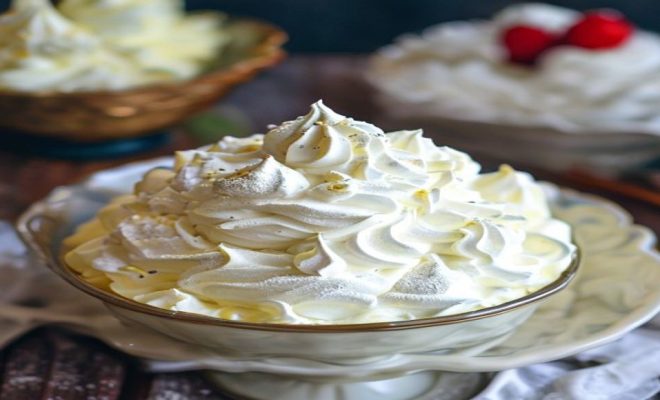
Meringue is a type of dessert or topping made primarily from whipped egg whites and sugar. The process of making meringue involves aerating the egg whites, which creates a light, fluffy texture. This delightful concoction can be enjoyed in various forms, including French meringue, Swiss meringue, and Italian meringue, each with unique preparation methods and applications.
The history of meringue is somewhat murky, but it is believed to have originated in the 17th century. The word “meringue” itself is thought to derive from the German word “Mereng” or the French word “méringue.” Regardless of its origins, meringue has become a staple in many culinary traditions, especially in desserts like pavlova, soufflés, and lemon meringue pie.
2. Ingredients You Need
To master how to make meringue, it’s essential to start with the right ingredients. You’ll primarily need:
- Egg Whites: Fresh, room-temperature egg whites whip better than cold ones because the proteins are more pliable.
- Sugar: Granulated sugar is the most common choice. Some recipes may call for powdered sugar for a smoother texture.
- Acid: A small amount of acid, like cream of tartar or lemon juice, helps stabilize the egg whites and improves their volume.
- Optional Flavorings: Vanilla extract, almond extract, or cocoa powder can add a delightful twist to your meringue.
Using high-quality, fresh ingredients is vital. The better your ingredients, the better your meringue will turn out. Pay attention to the freshness of the eggs, as older eggs may not whip as well.
3. Essential Tools for Success
Before you start whipping up your meringue, ensure you have the right tools on hand. Here’s what you need:
- Mixing Bowl: Choose a glass or metal bowl, as plastic can retain grease, which hinders egg white whipping.
- Whisk or Electric Mixer: A handheld electric mixer or a stand mixer will save you time and effort when whipping egg whites.
- Spatula: A rubber spatula is helpful for gently folding in any additional ingredients.
- Measuring Cups and Spoons: Precision is key, so use these to measure your sugar and any other ingredients.
Having these tools ready will set you up for success and make the meringue-making process smooth and enjoyable.
4. Preparing the Egg Whites
One of the most critical steps in how to make meringue is the preparation of the egg whites. Start by separating the egg whites from the yolks with care; even a small amount of yolk can prevent the whites from whipping properly. Here are some tips:
- Use an egg separator if you’re not confident in your skills.
- Let the egg whites sit at room temperature for at least 30 minutes, as this helps them whip up to a greater volume.
- Make sure your mixing bowl is squeaky clean. Any grease or residue can impede the egg whites from reaching their full potential.
Once you’ve prepared the egg whites, you’re ready to start whipping them into a frothy, stable mixture. (See: Wikipedia article on meringue.)
5. Whipping Techniques
When it comes to how to make meringue, the whipping technique is crucial. Start off on a low speed to break up the egg whites, and gradually increase the speed as they begin to froth. Here’s a step-by-step approach:
- Begin whipping until the egg whites become frothy and start to form soft peaks.
- Once you see soft peaks, gradually add your sugar, about a tablespoon at a time.
- Continue whipping until you reach stiff peaks. This is when the mixture holds its shape and has a glossy finish.
Be patient during this phase. Rushing the process or adding sugar too quickly can deflate the meringue. A well-whipped meringue will not only have great volume but also a smooth, shiny texture that’s irresistible.
6. Flavoring and Coloring Your Meringue
Once your meringue has reached the desired texture, you can choose to add flavors or colors. Vanilla extract is a classic choice, but don’t hesitate to experiment with others like almond extract or citrus zest for a unique twist. If you want to add color, gel food coloring is your best bet, as it won’t affect the meringue’s structure. Here’s how to do it:
- Gently fold in the flavoring using a spatula to avoid deflating the mixture.
- If using food coloring, add just a few drops and gently fold until evenly dispersed. Be careful not to over-mix.
This stage is where you can get creative and personalize your meringue to match the dessert you’re creating. Just remember to keep the additions minimal to maintain the meringue’s delicate structure.
7. Baking the Meringue
Now that your meringue is ready, it’s time to bake it. The baking process is crucial in achieving that perfect texture. Here are some tips to keep in mind:
- Temperature: Bake meringue at a low temperature, usually around 200°F (90°C). This ensures that it dries out rather than browns.
- Timing: Depending on the size and thickness of your meringue, it may take anywhere from 1 to 3 hours to bake completely.
- Cooling: After baking, turn off the oven and leave the door ajar to let the meringue cool slowly. This helps prevent cracks from forming due to sudden temperature changes.
Timing and temperature are your allies in this phase. Do not rush the baking process, as a hasty approach can lead to chewy or undercooked meringue.
8. Storing and Serving Meringue
After your meringue has cooled, you might be wondering how to store it. Meringue is best served the same day it’s made, but it can be stored for a short time. Here are some tips:
- Store meringue in an airtight container at room temperature to maintain its crispness.
- Keep it away from humidity, as moisture can cause it to become sticky and lose its texture.
- If you plan to serve meringue with a filling (like in a pie), do so just before serving to prevent it from becoming soggy.
With these final touches, your meringue experience will be complete. Whether you’re topping a dessert or enjoying it as a standalone treat, knowing how to make meringue opens up a world of culinary possibilities.
9. Common Mistakes to Avoid
Even with the best intentions, things can sometimes go awry when making meringue. Here are some common mistakes and how to avoid them: (See: CDC on healthy eating.)
- Using Old Eggs: Old eggs can lead to flat, unstable meringue. Always use the freshest eggs possible.
- Inadequate Whipping: Not whipping the egg whites long enough can prevent them from reaching stiff peaks. Make sure to whip until you achieve that glossy finish.
- Adding Sugar Too Quickly: Throwing sugar in all at once can deflate your meringue. Gradually add sugar for the best results.
- Humidity: Making meringue on a rainy day can lead to disaster as the moisture in the air can affect the texture. If possible, choose a dry day for your meringue-making.
By being aware of these common pitfalls, you can set yourself up for success and create the perfect meringue every time.
10. Types of Meringue
When discussing how to make meringue, it’s essential to know that there are several types, each suited to different recipes and applications:
- French Meringue: The simplest and most common form, made by whipping egg whites to soft peaks and gradually adding sugar. It’s often used for cookies and toppings.
- Swiss Meringue: Made by gently heating egg whites and sugar over a double boiler until the sugar dissolves, then whipping until stiff peaks form. This type is often used for buttercream frosting due to its silky texture.
- Italian Meringue: Involves pouring a hot sugar syrup into whipped egg whites. This method creates a stable meringue, perfect for applications where heat is involved, like in mousses or as a frosting that gets torched.
Each type of meringue has its unique characteristics and is suited for different culinary uses, giving you a range of options when you’re deciding how to make meringue.
11. Creative Ways to Use Meringue
Once you’ve mastered how to make meringue, you’ll find endless ways to use it in your cooking and baking. Here are some creative ideas:
- Pavlova: This is a show-stopping dessert that features a crispy meringue shell topped with whipped cream and fresh fruits.
- Meringue Cookies: Light, airy cookies that can be flavored or colored to match any theme. Perfect for celebrations or just a sweet snack.
- Lemon Meringue Pie: A classic dessert that combines a tart lemon filling with sweet, fluffy meringue on top.
- Soufflés: Use meringue to lighten soufflé mixtures, resulting in a fluffy texture that melts in your mouth.
- Decorative Toppings: Use meringue to create decorative swirls or shapes on cakes and pastries that add both flavor and visual appeal.
These ideas not only showcase the versatility of meringue but also allow you to impress your guests and family with your culinary skills.
12. FAQs About Meringue
Got questions about how to make meringue? Here’s a handy FAQ to address your curiosities:
- Can I make meringue without an electric mixer?
Yes, you can whip meringue by hand using a whisk, but it will require more effort and time. - What can I do if my meringue isn’t forming peaks?
Ensure your bowl and tools are clean and dry, and check that you’re using fresh egg whites. Sometimes, adding a pinch of cream of tartar can help stabilize the egg whites. - Can I freeze meringue?
Yes, you can freeze meringue, but it’s best to freeze it before baking. Once baked, it’s best enjoyed fresh. - How do I fix over-whipped meringue?
Unfortunately, over-whipped meringue can’t be fixed. It’s best to start over with fresh egg whites. - Can I use pasteurized egg whites?
Absolutely! Pasteurized egg whites are a great option if you’re concerned about food safety.
This FAQ should help clarify some of your doubts and enhance your meringue-making experience.
13. Nutritional Information
If you’re watching your dietary intake or curious about the health aspects of meringue, here’s a quick breakdown. Meringue, mainly consisting of egg whites and sugar, is relatively low in calories but high in sugar content. Here’s a general idea of what you might find in a standard serving (about 1 tablespoon) of French meringue: (See: New York Times meringue recipe.)
- Calories: Approximately 16 calories
- Total Fat: 0g
- Sodium: 0mg
- Total Carbohydrates: 4g
- Sugars: 4g
- Protein: 0.3g
While it’s a delicious treat, moderation is key due to its high sugar content. Enjoy it as an occasional indulgence or as part of a balanced diet.
14. Global Variations of Meringue
Meringue isn’t just beloved in one corner of the world; it has found its way into many cultures and cuisines. Here are a few notable global variations:
- Quesillo: A popular dessert in Venezuelan cuisine that incorporates a form of meringue with caramel and cheese.
- Merengue de El Salvador: This Salvadoran treat combines meringue with fresh fruit, often served as a topping for cakes or as part of a larger dessert.
- Pavlova: Originating from New Zealand and Australia, this dessert features meringue as a base topped with whipped cream and fresh fruits. It celebrates the classic lightness and sweetness of meringue.
- Schneeball: A German specialty that involves deep-frying meringue and then coating it in powdered sugar.
Exploring these variations can give you a broader perspective on how this simple combination of ingredients can be transformed into unique desserts across different cultures.
15. Expert Tips for Perfect Meringue
Want to take your meringue skills to the next level? Here are expert tips that can make a significant difference:
- Temperature Control: Make sure your kitchen is relatively cool. Heat can cause meringue to collapse, so it’s best to work in a well-ventilated area.
- Don’t Rush the Process: Each step is important, from egg white preparation to baking. Rushing can lead to a less-than-perfect texture.
- Experiment with Sweeteners: While granulated sugar is standard, using superfine sugar can help dissolve it more quickly, leading to a smoother meringue.
- Be Mindful of Egg White Quality: Not all eggs are created equal. Organic or free-range eggs often yield better results in terms of flavor and volume.
- Practice Makes Perfect: Meringue can be tricky, and practice will help you understand the nuances of texture and stability.
These tips come from seasoned bakers who have spent years perfecting the art of meringue-making. With practice and patience, you’ll soon develop your own techniques and preferences. We covered baked goods insights in more detail.
16. Conclusion
Mastering how to make meringue is not just about following a set of instructions; it’s about understanding the science behind the ingredients and techniques. With practice and creativity, you’ll soon be able to whip up meringue like a seasoned professional. So, grab those eggs and get whipping!
“`
Trending Now
Frequently Asked Questions
What are the main ingredients in meringue?
The primary ingredients for making meringue are fresh egg whites, granulated sugar, and a small amount of acid, such as cream of tartar or lemon juice. Optional flavorings like vanilla or almond extract can also enhance the taste.
How do you make meringue from scratch?
To make meringue from scratch, start by whipping fresh, room-temperature egg whites until soft peaks form. Gradually add granulated sugar while continuing to whip until stiff peaks form. Incorporate an acid for stabilization, and optionally add flavorings before baking or using as a topping.
What is the difference between French, Swiss, and Italian meringue?
French meringue is made by whipping egg whites with sugar directly. Swiss meringue involves heating sugar and egg whites together over a double boiler before whipping. Italian meringue combines whipped egg whites with a hot sugar syrup, resulting in a more stable and glossy meringue.
Why is acid added to meringue?
Adding acid, such as cream of tartar or lemon juice, helps stabilize the egg whites during whipping. It improves the volume and texture of the meringue, making it less likely to collapse and ensuring a light, airy consistency.
What can I use meringue for?
Meringue can be used in various desserts, including pavlova, soufflés, and lemon meringue pie. It can serve as a light topping for cakes or be baked into cookies, providing a sweet and airy texture that complements many dishes.
What's your take on this? Share your thoughts in the comments below — we read every one.