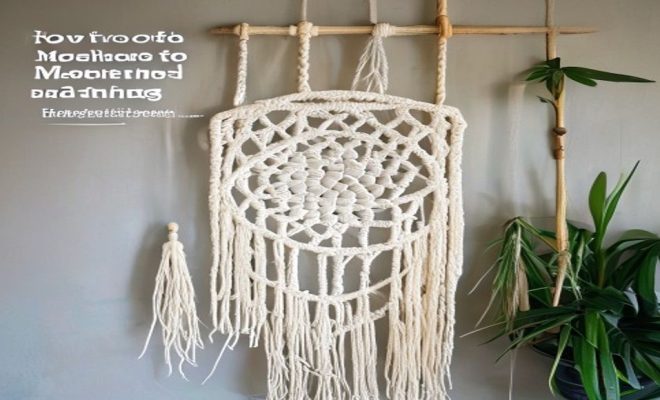
How to make macrame wall hanging
“`html
Macramé is not just a craft; it’s a beautiful art form that has stood the test of time. As a creative avenue, macramé wall hangings have surged in popularity, especially in home décor. Whether you’re looking to add a personal touch to your living space or simply indulge in a relaxing hobby, a macramé wall hanging tutorial is just what you need. In this comprehensive guide, we’ll explore everything from essential materials to intricate designs, setting you up for macramé success.
1. What is Macramé?
Macramé is a textile-making technique that involves knotting strands of cord or string in various patterns. Originating from 13th-century Arabic weavers, this art form has evolved over centuries. In the 1970s, macramé experienced a revival in popularity, adorning everything from plant hangers to wall décor. Today, it has been embraced by modern decorators who appreciate its tactile quality and organic feel.
What makes macramé unique is its versatility. You can create anything from simple designs to elaborate wall hangings. The beauty lies in the knots and patterns that form intricate designs, making each piece a unique work of art. With a few basic techniques, you can create stunning designs that reflect your personal style.
2. Essential Materials for Your Macrame Wall Hanging
Before diving into our macramé wall hanging tutorial, let’s discuss the materials you’ll need. Here’s a checklist to get you started:
- Macramé cord: This can be made from cotton, jute, or synthetic fibers. The thickness will affect the overall look of your piece. For beginners, a 3-5 mm cotton cord is ideal.
- Wooden dowel or branch: This serves as the base for your wall hanging. Choose a dowel that complements the thickness of your cord.
- Scissors: Sharp scissors are essential for cutting your cord to the desired lengths.
- Tape measure: Accurate measurements will ensure your design is symmetrical.
- Comb or brush: This is useful for fringing your cords after you finish knotting.
- Pencil and paper: Sketching out your design ahead of time can help you visualize the final product.
Gather these materials before starting your project to streamline the crafting process.
3. Understanding Basic Knots
At the heart of macramé are the knots that form its patterns. Familiarizing yourself with basic knots is crucial for your macramé wall hanging tutorial. Here are three essential knots you should practice:
- Square Knot: One of the most fundamental knots, it involves two cords and creates a flat, square shape.
- Half Hitch Knot: This knot is made by wrapping one cord around another and is used to create diagonal lines in your design.
- Lark’s Head Knot: This serves as the starting point for most macramé projects, attaching the cord to your dowel or branch.
Practice these knots several times to gain confidence before starting your wall hanging. Tutorials with visuals can help immensely.
4. Planning Your Design
With your materials ready, it’s time to plan your design. Sketching your ideas on paper helps visualize the final product. Consider the following as you plan:
- Size: Decide on the dimensions of your wall hanging based on the space you want to fill.
- Style: Do you want a bohemian vibe, or are you aiming for something more modern? Your design should reflect your decor style.
- Patterns: Incorporate various knots to create visual interest. Be bold with your combinations.
Creating a mock-up can provide guidance while you work. This is especially helpful for more complex designs.
5. Step-by-Step Macrame Wall Hanging Tutorial
Here’s a simplified macramé wall hanging tutorial to help you get started. Follow these steps for an easy yet beautiful design:
- Cut your cords: Measure and cut cords to your desired lengths. A good rule of thumb is to cut them four times longer than the finished length of the hanging.
- Attach cords to the dowel: Use the Lark’s Head knot to attach your cords to the dowel. Space them evenly.
- Begin knotting: Start with a square knot for the first row, then progress to half hitch knots for subsequent rows. Experiment with spacing and patterns as you go along.
- Fringe it out: Once you’ve reached your desired length, trim excess cord and use a comb to fray the ends for a boho look.
- Hang it up: Finally, find the perfect spot to display your masterpiece!
This basic tutorial gives you a solid foundation, but don’t hesitate to modify it with your own flair.
6. Choosing the Right Colors and Textures
The colors and textures you choose play a significant role in the overall impact of your macramé wall hanging. Neutral tones like cream, beige, or gray work well for a minimalistic look, while bold colors can create a statement piece. Consider your existing décor—do you want your wall hanging to stand out or blend in? (See: Macramé – Wikipedia.)
Texture is equally important. Mixing different types of cords or incorporating beads and other materials can add depth. For instance, a mix of cotton and jute creates visual contrast while maintaining an organic feel. Experimenting with different materials will help you discover what works best for your vision.
7. Incorporating Beads and Other Embellishments
Adding beads or other embellishments can elevate your macramé wall hanging from simple to extraordinary. Beads can be woven into your design, adding a touch of elegance and complexity. Choose beads that complement your color palette; wooden beads can enhance a bohemian look, while metallic beads can provide a modern edge.
When incorporating embellishments, consider their placement carefully. You can use them to accentuate certain knots or create focal points in your design. Keep in mind that simplicity can also be powerful—sometimes, fewer embellishments can make a stronger impact.
8. Taking Care of Your Macramé Piece
To ensure your macramé wall hanging remains beautiful over time, proper care is essential. Here are a few tips for maintenance:
- Dust regularly: Use a soft cloth or duster to keep your wall hanging free from dust and debris.
- Spot clean: If your piece gets stained, use a damp cloth with mild soap to clean the affected area.
- Avoid direct sunlight: Prolonged sunlight can cause colors to fade, so hang your piece in a spot with indirect light.
Caring for your macramé will ensure it remains a cherished part of your decor for years to come.
9. Macramé in Modern Décor
In recent years, macramé has made a significant resurgence in home décor trends. Its organic and handcrafted feel beautifully contrasts with the sleek lines of contemporary design. You’ll find macramé wall hangings in bohemian, coastal, and even minimalist styles, making it a versatile choice for any room.
Many designers are utilizing macramé as a way to bring warmth and texture into spaces that may feel sterile or overly modern. Its tactile nature invites touch and interaction, making spaces feel more inviting. Whether you opt for a large statement piece or a series of smaller hangings, macramé lends character to any room.
10. Final Tips for Aspiring Macramé Artists
As you embark on your journey of creating macramé wall hangings, keep these final tips in mind:
- Start simple: Don’t overwhelm yourself with complex designs initially. Begin with basic patterns, and gradually take on more intricate projects.
- Join a community: Engaging with fellow macramé enthusiasts can provide inspiration, support, and tips that are invaluable.
- Enjoy the process: Crafting should be a relaxing and enjoyable experience. Don’t rush—take your time to create something you truly love.
Macramé is not just a trend; it’s an enriching skill that allows for creativity and expression. With this macramé wall hanging tutorial, you’re well-equipped to craft your own beautiful pieces. So gather your materials, choose your design, and let your creativity flow!
11. Advanced Macramé Techniques
Once you’ve mastered the basics of macramé, you might want to explore advanced techniques to take your wall hangings to the next level. Here are a few methods to consider:
- Double Half Hitch Knot: This knot allows you to create more intricate patterns and can be used to create diagonal lines that enhance the design.
- Spiral Knot: This knot features a twisting pattern and can add dynamic movement to your piece.
- Macramé Plant Holders: Expanding your skills to include plant holders can offer a new challenge and a functional addition to your home.
Experimenting with these advanced techniques can open up a world of possibilities, allowing you to create stunning, one-of-a-kind pieces.
12. Macramé Wall Hanging Inspirations
Finding inspiration for your macramé projects can often ignite your creativity. Here are several sources to consider:
- Social Media Platforms: Platforms like Instagram and Pinterest are full of macramé artists showcasing their works. Following these accounts can keep you motivated and provide fresh ideas.
- Craft Blogs and Websites: Explore blogs dedicated to crafts, where you can find tutorials, tips, and inspiration from seasoned artisans.
- Local Workshops: Enroll in a macramé workshop or class in your area. These can provide hands-on experience and the opportunity to connect with other craft enthusiasts.
Collecting inspiration can make the crafting process enjoyable and push you to experiment with new ideas. (See: Arts and Health – CDC.)
13. Statistics on the Popularity of Macramé
The resurgence of interest in macramé reflects a broader trend towards handmade and artisanal products. Recent statistics indicate that handmade crafts, including macramé, have seen a year-on-year growth of approximately 25%. This trend is particularly strong among millennials and Gen Z, who are increasingly seeking unique, personalized home décor items. Additionally, platforms like Etsy report that macramé wall hangings are one of the top-selling home décor items, highlighting the ongoing demand for these beautiful pieces.
As more people embrace DIY projects and handmade goods, the popularity of macramé is likely to continue growing, making it a great time to dive into this craft.
14. Frequently Asked Questions
What type of cord is best for beginners?
Cotton cord is often recommended for beginners due to its softness, availability, and ease of use. It also provides a clean finish that looks great in any design.
Can I wash my macramé wall hanging?
Yes, you can wash your macramé piece, but it’s best to spot clean it with a damp cloth. If it needs a thorough cleaning, gently hand wash it in cold water with mild detergent and lay it flat to dry.
How do I hang my macramé wall hanging?
You can hang your wall hanging using a simple nail or adhesive hooks that can support its weight. For larger pieces, consider using a hook that can bear more weight or a decorative rod for a more polished look.
Can I use synthetic macramé cord?
Absolutely! Synthetic cords are available in various colors and can provide a different aesthetic from natural fibers. However, keep in mind that they might not have the same texture or environmental benefits as natural cords.
How long does it take to make a macramé wall hanging?
The time it takes to complete a macramé wall hanging can vary depending on its size and complexity. A simple piece may take a few hours, while more intricate designs could take several days. It’s important to enjoy the process and not rush through it.
Are there any macramé kits for beginners?
Yes! Many craft stores and online retailers offer macramé kits that include all the necessary materials and instructions for beginners. These kits can be a great way to get started without having to gather supplies on your own.
15. Incorporating Macramé into Different Spaces
Macramé wall hangings can complement various areas in your home. Here are some ideas on how to incorporate your creations effectively:
- Living Room: Use larger wall hangings as a statement piece above a sofa or coffee table. This can create a focal point in the room.
- Bedroom: A macramé piece over the headboard can add a cozy, bohemian touch. Consider smaller pieces for side tables or dressers as well.
- Entryway: Hang a smaller piece by the door to welcome guests with a warm and inviting atmosphere. Pair it with plants for extra charm.
- Outdoor Spaces: If your macramé is made from weather-resistant materials, it can be used on patios or balconies to create a unique outdoor space.
When incorporating macramé into your decor, consider the overall style of your home to ensure the pieces enhance the environment rather than clash with it.
16. Exploring Cultural Significance in Macramé
Macramé has roots in various cultures around the world, each of which has their own unique take on this craft. For instance, the maritime communities have a long history of using knotting techniques for practical applications like fishing nets. In contrast, indigenous cultures have used macramé for ceremonial items and adornments, illustrating its deep-seated significance beyond mere decoration. (See: Macramé's Modern Revival – NY Times.)
By understanding its cultural context, you can appreciate macramé not only as a craft but also as a form of storytelling and expression. This makes your projects even more meaningful, allowing you to connect with the history and traditions of this art form.
17. Macramé for Sustainability
As the world moves towards more sustainable practices, macramé offers an opportunity to create eco-friendly home décor. By using natural, biodegradable materials like cotton, hemp, or jute, you can craft beautiful pieces that are also gentle on the environment. This aligns perfectly with the ethos of many modern consumers who prioritize sustainability.
Additionally, by choosing to make your own macramé wall hangings, you’re engaging in a form of upcycling, giving life to materials you might otherwise discard. This creates a unique piece while promoting responsible consumption practices, making your craft both creative and conscientious.
18. Connecting with the Macramé Community
Joining the macramé community can enhance your crafting experience significantly. Online platforms, workshops, and local craft fairs often host groups where enthusiasts gather to share tips, techniques, and inspiration. Being part of such a community can provide not only support but also a sense of belonging.
Consider participating in local craft events or online forums dedicated to macramé. These environments foster collaboration and creativity, allowing you to learn from others and showcase your own work. Networking within the community can lead to new friendships, collaborative projects, and even potential opportunities to sell your creations.
19. Final Thoughts on Your Macramé Journey
As you embark on your macramé adventure, remember that the journey is just as important as the end product. Each knot you tie is a step toward mastering this beautiful craft. Take time to experiment, find your style, and most importantly, enjoy the process. Don’t hesitate to incorporate elements from your personal experiences and the world around you into your designs. This not only makes your pieces unique but also allows you to express yourself creatively.
Your macramé creations can be more than simple decorations; they can become cherished items that tell a story and evoke memories. So embrace the art of macramé and let your creativity thrive!
Macramé is not just a trend; it’s an enriching skill that allows for creativity and expression. With this macramé wall hanging tutorial, you’re well-equipped to craft your own beautiful pieces. So gather your materials, choose your design, and let your creativity flow!
“`
Trending Now
Frequently Asked Questions
What materials do I need to make a macrame wall hanging?
To create a macrame wall hanging, you'll need macrame cord (preferably 3-5 mm cotton), a wooden dowel or branch, scissors, a tape measure for accurate lengths, and a comb or brush for fringing the cords. These materials are essential for both beginners and experienced crafters.
What is the best type of cord for macrame beginners?
For beginners, a 3-5 mm cotton cord is ideal for making macrame wall hangings. Cotton is easy to work with, provides a nice texture, and is forgiving for those just starting out with knotting techniques.
How do I start a macrame wall hanging?
To start a macrame wall hanging, gather your materials, including cord and a wooden dowel. Measure and cut your cord to the desired lengths, then begin by learning basic knots such as the square knot or lark's head knot to create your design.
Can I use jute for macrame wall hangings?
Yes, jute can be used for macrame wall hangings. It offers a rustic look and is a great alternative to cotton. However, it may be less forgiving for beginners due to its stiffness compared to softer cords.
What knotting techniques should I learn for macrame?
Essential knotting techniques for macrame include the square knot, lark's head knot, and half hitch knot. Mastering these basic knots will allow you to create a variety of patterns and designs in your wall hanging projects.
Agree or disagree? Drop a comment and tell us what you think.