How to make essential oil blends
“`html
Essential oils have been cherished for centuries, celebrated not only for their delightful fragrances but also for their therapeutic benefits. Today, making essential oil blends at home has become an empowering hobby for many. Whether you’re looking to enhance your mood, relieve stress, or simply enjoy a pleasant aroma, crafting your own blends can be a rewarding experience. In this article, we’ll explore the essentials of making your own blends, including the best practices, safety tips, and popular recipes to get you started.
1. Understanding Essential Oils
Before diving into the art of blending, it’s crucial to understand what essential oils are and how they work. Essential oils are concentrated natural extracts obtained from plants, capturing their scent and therapeutic properties. Each oil has unique characteristics and benefits. For instance, lavender is often associated with relaxation, while peppermint can invigorate the senses.
Essential oils are usually extracted through processes such as steam distillation, cold pressing, or solvent extraction. The choice of extraction method affects the oil’s purity and potency, making it essential to select high-quality oils for your blends. Always opt for pure oils, free from synthetic additives, to ensure the best results.
2. Why Create Your Own Blends?
Creating your own essential oil blends allows for personalization that pre-made options can’t match. You can tailor your blends to address specific needs or tastes, such as creating a calming blend for relaxation or a refreshing scent for an energy boost. Additionally, blending at home can save money, as the cost of individual oils is often less than purchasing ready-made products.
Moreover, the process of blending can itself be therapeutic. Many enthusiasts find joy in experimenting with different oils, discovering new scents, and learning about the properties of various plants. This creative process can serve as a form of self-care, helping to relieve stress and promote mindfulness.
3. Choosing Your Essential Oils
The first step in creating blends is selecting the right essential oils. Here are a few popular categories of oils and their common uses:
- Floral Oils: Lavender, Geranium, and Rose – great for relaxation and emotional balance.
- Citrus Oils: Orange, Lemon, and Bergamot – uplifting and energizing scents.
- Herbaceous Oils: Basil, Thyme, and Rosemary – often used for their invigorating and refreshing properties.
- Woody Oils: Cedarwood, Sandalwood, and Frankincense – known for their grounding effects.
- Spicy Oils: Clove, Ginger, and Cinnamon – warm and comforting, they can evoke a sense of coziness.
When selecting oils, also consider their compatibility with one another. Some oils blend beautifully, while others may clash. It’s often helpful to start with a base note, such as sandalwood or cedarwood, which provides a strong foundation for your blend. Then, incorporate middle notes like lavender or rosemary to add depth, and finish with top notes, such as citrus oils, to create a well-rounded aroma.
4. Basic Blending Ratios
Blending essential oils is an art, and understanding the right ratios is key to achieving a harmonious scent. A general rule of thumb is the 3:2:1 ratio—using three parts of base note oils, two parts of middle note oils, and one part of top note oils. For instance, if you’re using 10 drops in total, your blend might include 6 drops of a base note, 4 drops of a middle note, and 2 drops of a top note.
Of course, these ratios are just a guideline. Feel free to adjust based on your personal preferences. If you find one scent overpowering, you might reduce its amount or increase others to achieve a desired balance. It’s all about experimenting until you find the perfect mix.
5. Safety First: Dilution and Skin Sensitivity
While essential oils are natural, they are highly concentrated and can cause skin irritation or allergic reactions if not used properly. Always dilute essential oils before applying them to the skin. A good starting point is to dilute essential oils in a carrier oil, such as coconut, jojoba, or almond oil. A typical dilution ratio is 2-3 drops of essential oil per teaspoon of carrier oil for topical applications. (See: Essential oils and their therapeutic benefits.)
Additionally, it’s wise to perform a patch test when trying a new blend to ensure you don’t have any adverse reactions. Apply a small amount of the diluted oil to a discreet area of skin and observe for 24 hours. If irritation occurs, discontinue use.
6. Tools You’ll Need for Blending
Setting up a blending station is essential for creating your essential oil blends. Here are a few tools to consider having on hand:
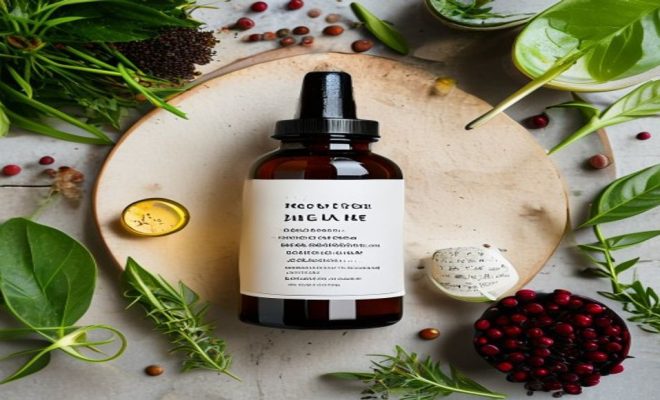
- Dark Glass Bottles: These help protect the oils from light degradation. Use them for storing finished blends.
- Pipettes or Droppers: Useful for measuring oils accurately and keeping your blends consistent.
- Mixing Bottles: A larger bottle can help you mix your oils before transferring them to storage bottles.
- Labels: Clearly label your creations with ingredients and date to keep track of your blends.
- Notebook: Documenting your recipes and observations can help refine your blending skills.
Investing in quality tools can make the blending process smoother and more enjoyable. Plus, it adds a level of professionalism to your homemade products.
7. Popular Essential Oil Blend Recipes
If you’re unsure where to start, here are some popular essential oil blends to inspire your blending journey:
- Relaxation Blend: 6 drops Lavender, 3 drops Bergamot, 1 drop Chamomile. This blend is perfect for winding down after a long day.
- Uplifting Citrus Blend: 4 drops Sweet Orange, 3 drops Lemon, 2 drops Grapefruit. Great for a morning boost or to elevate your mood.
- Focus Blend: 5 drops Peppermint, 4 drops Rosemary, 1 drop Lemon. Ideal for concentration and clarity during work or study sessions.
- Comforting Spice Blend: 3 drops Cinnamon, 2 drops Clove, 3 drops Sweet Orange. This cozy blend is perfect for the fall and winter months.
These recipes can serve as a foundation for your own creations. Feel free to adjust the ratios or even add your favorite oils to make them uniquely yours!
8. Storing and Using Your Blends
Proper storage is key to preserving the quality of your essential oil blends. Store your creations in a cool, dark place, away from sunlight and heat. Dark glass bottles are ideal, as they prevent light from degrading the oil. Additionally, try to use your blends within six months to a year for the best fragrance and therapeutic benefits.
When it comes to using your blends, the options are nearly endless. You can diffuse them in a diffuser, add them to bathwater, mix them into lotions or creams, or simply inhale them directly from the bottle. However, always remember to dilute blends for topical application and avoid contact with sensitive areas like the eyes.
9. The Current Relevance of Essential Oil Blends
In today’s fast-paced world, many people are turning to essential oil blends as a natural way to manage stress, promote wellness, and enhance their environment. With a growing interest in holistic health and self-care, DIY blending has gained popularity. Online communities and social media platforms are filled with enthusiasts sharing their experiences, recipes, and tips.
Moreover, as consumers become more conscious of what they put in and on their bodies, the demand for natural products continues to rise. Making your own blends not only satisfies this demand but also fosters a deeper connection with the aromas that enhance your daily life.
Whether you’re seeking to create a serene atmosphere at home, support your emotional well-being, or indulge in a new hobby, making essential oil blends can be a gratifying endeavor. So gather your oils, unleash your creativity, and enjoy the fragrant journey ahead!
10. Exploring Different Aromatherapy Methods
Aromatherapy can be experienced in various ways beyond just blending and using essential oil blends. Each method has its own unique benefits and can cater to different preferences. Here’s a look at some popular methods:
- Diffusion: This method disperses essential oils into the air, allowing you to inhale their aromatic properties. There are many types of diffusers available, including ultrasonic, nebulizing, and heat diffusers, each offering a different experience.
- Topical Application: Applying diluted essential oils to the skin can provide localized benefits. This method is especially effective for targeting specific issues, such as muscle pain or skin irritations.
- Inhalation: Inhaling essential oils directly from the bottle or via a personal inhaler can offer immediate relief. This method is often used for quick emotional support during challenging moments.
- Bathing: Adding essential oils to bathwater can create a soothing and relaxing experience. A few drops mixed with a carrier oil or Epsom salts can transform your bath into a spa-like retreat.
11. Expert Perspectives on Essential Oil Blends
To gain deeper insights into the world of essential oil blending, we consulted several aromatherapy experts. Here’s what they had to share: (See: Safety tips for essential oils.)
Dr. Jane Smith, a certified aromatherapist, emphasizes the importance of education before beginning to blend. “Understanding the properties of each essential oil is crucial. Not all oils work well together, and some may even counteract each other’s effects,” she notes. She advises beginners to start with simple blends and gradually expand their knowledge and experience.
From a health and wellness perspective, wellness coach Mark Thompson highlights the emotional benefits of blending. “Creating your own blends can be incredibly empowering. It’s a way to tune into your own needs, whether it’s boosting energy or promoting relaxation. The act of creating is as beneficial as the oils themselves,” he explains.
These expert opinions shed light on the multifaceted nature of essential oil blending, encouraging enthusiasts to approach the practice with curiosity and respect.
12. Common Myths About Essential Oils
As the demand for essential oils has grown, so have the myths surrounding them. Let’s debunk some common misconceptions:
- Myth 1: Essential Oils Are Always Safe – While natural, some essential oils can be irritating or toxic if not used properly. Always research and follow safety guidelines.
- Myth 2: More Oil Means More Benefits – Using excessive amounts of essential oil can lead to adverse reactions. Less is often more when it comes to essential oils.
- Myth 3: All Essential Oils Are Created Equal – The quality of essential oils can vary greatly. Always choose high-quality, pure oils from reputable sources.
13. FAQ About Essential Oil Blends
Q: Can I mix any essential oils together?
A: Not all essential oils blend well together. It’s important to research the properties and compatibility of oils before mixing them. Start with known complementary oils.
Q: How long do essential oil blends last?
A: When stored properly in dark glass bottles away from light and heat, essential oil blends can last from six months to a year, depending on the ingredients used.
Q: Can I use essential oils during pregnancy?
A: Some essential oils are not recommended during pregnancy. Always consult with a healthcare provider before using essential oils if you are pregnant or nursing.
Q: What are carrier oils, and why are they necessary?
A: Carrier oils are used to dilute essential oils before applying them to the skin. They help to reduce the risk of irritation and allow for safer application.
Q: Can children use essential oils?
A: Yes, but with caution. Many essential oils are safe for children in diluted form, while some should be avoided altogether. It’s best to consult an expert for guidance.
14. Exploring Unique Essential Oil Blend Combinations
If you’re feeling adventurous, consider experimenting with unique combinations that aren’t as commonly known. Here are a few intriguing blends to try: (See: Extraction methods of essential oils.)
- Woodland Escape: Combine 5 drops Cedarwood, 3 drops Pine, and 2 drops Frankincense. This blend evokes a serene forest atmosphere, perfect for relaxation or meditation.
- Spicy Citrus Surprise: Try 4 drops Sweet Orange, 3 drops Ginger, and 2 drops Cardamom. This invigorating blend can energize your space and awaken your senses.
- Floral Harmony: Mix 4 drops Ylang Ylang, 3 drops Jasmine, and 3 drops Lavender. This floral blend is uplifting and can enhance feelings of joy and comfort.
These combinations illustrate that the world of essential oil blending is not just about following traditional recipes; it’s also about creativity and personal expression. Don’t hesitate to explore and tailor these recipes to your taste.
15. The Science Behind Essential Oils
Diving deeper into essential oils, it’s fascinating to consider the science that supports their benefits. Essential oils contain volatile compounds that can interact with the body in diverse ways, influencing physical and emotional health. For instance, studies have shown that inhaling lavender essential oil can reduce anxiety levels and improve sleep quality.
Research published in the journal Evidence-Based Complementary and Alternative Medicine indicated that certain essential oils, like peppermint and rosemary, can enhance cognitive function. This scientific backing adds credibility to the claims made by enthusiasts and empowers individuals to utilize these oils effectively.
Furthermore, as interest in aromatherapy and essential oils grows, research into their potential health benefits continues. Findings about their antibacterial, antifungal, and antiviral properties suggest a promising future for essential oils in both holistic and conventional health practices.
16. Tips for Crafting Custom Essential Oil Blends
Creating your own unique essential oil blends can be a fun and fulfilling pursuit. Here are some tips to enhance your blending experience:
- Start Small: Begin by creating small batches so you can experiment without wasting materials. This approach allows you to refine your recipes easily.
- Keep a Blending Journal: Record your recipes, the ratios used, and your impressions of each blend. This documentation can serve as a reference for future creations.
- Trust Your Nose: Rely on your sense of smell when creating blends. Your personal preferences are key to crafting a blend that resonates with you.
- Stay Educated: Continuously learn about new oils and their properties. The more you understand, the more effective your blending will be.
17. Tips for Sustainable Essential Oil Use
As more people embrace essential oils, it’s important to consider sustainable practices in sourcing and using these products. Here are some tips to help you use essential oils responsibly:
- Choose Sustainable Sources: Look for brands that use ethical sourcing practices. This ensures that the plants used for extraction are grown in a way that supports biodiversity and local communities.
- Limit Waste: Use your oils sparingly and responsibly to minimize waste. Remember, a little goes a long way in both applications and blends.
- Educate Yourself on Plant Species: Some plants are endangered or over-harvested. Familiarize yourself with the sustainability status of the plants you use and opt for alternatives when necessary.
18. Conclusion: Your Essential Oil Journey
Embarking on the journey of creating essential oil blends can be a fulfilling experience that enriches your life. Whether you’re aiming for specific health benefits, emotional support, or simply enjoying the art of blending, the possibilities are endless. As you dive deeper into this aromatic world, remember to explore freely, learn continuously, and most importantly, enjoy the process. The journey is as fragrant as the final blend itself!
“`
Trending Now
Frequently Asked Questions
What are essential oils and how are they made?
Essential oils are concentrated extracts from plants that capture their scent and therapeutic properties. They are typically made through methods like steam distillation, cold pressing, or solvent extraction, which influence the oil's purity and potency. Choosing high-quality, pure oils is essential for effective blends.
Why should I create my own essential oil blends?
Creating your own essential oil blends allows for personalization, enabling you to address specific needs or preferences. It can also be cost-effective compared to pre-made options, and the blending process itself can be therapeutic and enjoyable, promoting self-care and creativity.
What are some popular essential oil blend recipes?
Popular essential oil blend recipes include calming combinations like lavender and chamomile for relaxation, or invigorating mixes like peppermint and lemon for energy. Experimenting with different ratios of oils can help you discover unique scents tailored to your personal preferences.
Are there safety tips for using essential oils?
Yes, safety is crucial when using essential oils. Always dilute essential oils with a carrier oil before applying them to the skin, conduct a patch test, and avoid ingestion unless under professional guidance. Additionally, some oils may not be suitable for pregnant women or children, so research is essential.
How can essential oils enhance my mood?
Essential oils can enhance mood through their aromatic properties that influence the brain's limbic system, which regulates emotions. Oils like lavender can promote relaxation, while citrus oils can uplift your spirits. Creating personalized blends can further support your emotional well-being.
Agree or disagree? Drop a comment and tell us what you think.