How to arrange flowers in vase
“`html
Creating beautiful flower arrangements is more than just putting blooms in a vase; it’s an art form that can transform any space into a sanctuary of beauty and elegance. Whether you’re preparing for a special event, sprucing up your home, or gifting a friend, understanding the essential flower arrangement techniques can elevate your floral displays from ordinary to extraordinary. In this guide, we’ll walk through the different aspects of flower arrangement, from choosing the right flowers to mastering various techniques.
1. The History of Flower Arrangement
Flower arranging has a rich history that dates back thousands of years. Ancient Egyptians used flowers in their religious ceremonies and for decoration, while the Japanese developed Ikebana, a disciplined art form that emphasizes harmony, balance, and simplicity. In the Western world, flower arrangements have evolved through the ages, with influences from the Renaissance to modern-day floral design.
Understanding the historical context of flower arrangements can deepen your appreciation for this craft. Each culture has its unique styles and meanings associated with different blooms, shapes, and colors. For instance, in Victorian England, flowers had specific meanings and were used to convey emotions in a language known as “floriography.” Today, while we may not adhere strictly to these meanings, they add a rich layer of significance to our arrangements.
2. Choosing the Right Flowers
The first step in any flower arrangement is selecting the right blooms. Consider the occasion, the setting, and the message you want to convey. Popular flowers used in arrangements include roses, lilies, tulips, and daisies, each bringing its own beauty and symbolism. When selecting flowers, freshness is key; look for vibrant colors, firm petals, and minimal wilting.
It’s also important to consider the seasons. Seasonal flowers not only tend to be fresher and more affordable but also resonate deeply with their environment. For example, sunflowers are often associated with summer, while holly and poinsettia are favorites during the winter holidays. By choosing seasonal blooms, you can enhance the overall aesthetic of your arrangement.
3. Essential Tools for Flower Arranging
Having the right tools on hand can significantly simplify the flower arrangement process. Essential tools include:
- Floral shears: A sharp pair of shears is crucial for clean cuts, ensuring the flowers absorb water efficiently.
- Vases: The shape and size of the vase can influence the overall look of your arrangement. Tall vases are great for larger blooms, while low, wide vases can be used for a more compact arrangement.
- Floral tape: This can be used to create grids on the vase’s opening, helping to secure the stems in place.
- Flower food: This nutrient mix can prolong the life of your flowers, keeping them vibrant and healthy.
Investing in these tools can enhance your experience and improve the quality of your floral arrangements.
4. Basic Flower Arrangement Techniques
There are several basic flower arrangement techniques that every florist, budding or professional, should master. The most common techniques include:
- Horizontal arrangements: This style emphasizes length and is often created in low, wide containers.
- Vertical arrangements: Tall and dramatic, vertical arrangements draw the eye upward and can be quite striking.
- Triangular arrangements: This form balances height and width, creating a cohesive look that’s pleasing to the eye.
Experimenting with these techniques can help you discover your personal style and the types of arrangements you enjoy creating most. (See: Ikebana flower arranging art form.)
5. Preparing the Flowers
Before you start arranging, it’s crucial to prepare your flowers properly. Trim the stems at an angle to increase the surface area for water absorption. Remove any leaves that will be submerged in water to prevent bacteria growth, which can shorten the lifespan of your arrangement. Lastly, give the flowers a good drink in a bucket of water before arranging them; this helps them hydrate and ensures they look their best.
Another tip is to condition your flowers. Most blooms benefit from resting in lukewarm water for a few hours before being arranged. This process helps them acclimate and can significantly enhance their longevity in the arrangement.
6. Creating Your Arrangement
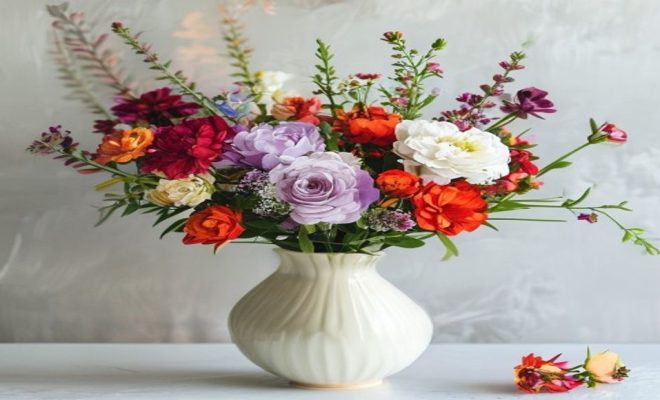
Now comes the fun part: arranging the flowers! Start by placing your largest flowers in the arrangement first. These will serve as the focal points. Next, fill in with medium-sized blooms, and finally, add fillers like greenery and small flowers to create depth and texture.
When arranging, think about the composition and balance. You can achieve visual interest by varying the heights and angles of the flowers. Don’t hesitate to step back periodically to assess the arrangement as a whole; this can help you spot any gaps or areas that need adjustment. Remember, the goal is to create a harmonious and balanced look.
7. Maintaining Your Flower Arrangement
Once your arrangement is complete, maintenance is vital to keep it looking fresh. Place your arrangement in a cool location away from direct sunlight and heat sources, which can cause wilting. Change the water every few days, and consider adding more flower food to help sustain the blooms.
If you notice any wilting flowers, remove them promptly to keep the arrangement looking vibrant. Regularly check for any foliage that may be submerged in water and remove it to prevent bacteria growth. With proper care, your beautiful arrangement can last a week or more!
8. Advanced Flower Arrangement Techniques
Once you’ve mastered the basics, it’s time to explore more advanced flower arrangement techniques. Techniques such as cascading arrangements, which feature flowers spilling over the sides of the container, can create a dramatic effect. Another advanced technique is using the spiral method, which allows you to create a more organic, natural look by spiraling the stems together, creating movement within the arrangement.
Additionally, consider incorporating unexpected elements into your arrangements. This could include branches, grasses, or even fruits and vegetables, which can add texture and interest. The key to advanced arrangements is creativity and willingness to experiment with different materials and styles.
9. Current Trends in Flower Arranging
The floral design world is constantly evolving, and staying aware of current trends can inspire your creations. Sustainable arrangements are gaining popularity, with many florists opting for locally-sourced and eco-friendly blooms. Dried flowers are also making a comeback, offering unique textures and longevity that fresh flowers may not provide.
Color palettes are shifting as well, with earth tones and muted colors taking center stage over vibrant, saturated hues. Arrangement styles are also seeing a trend toward asymmetry, where balanced and freeform designs create a more relaxed and natural feel. By keeping an eye on these trends, you can make your arrangements contemporary and relevant.
10. Exploring Different Styles of Flower Arrangements
The world of flower arrangements is rich with styles that cater to different tastes and occasions. Understanding these styles can help you choose the right one for your needs: (See: Health benefits of flowers.)
- Traditional Arrangements: These often feature symmetrical designs and classic blooms, making them perfect for formal events or classic decor.
- Modern Arrangements: Characterized by minimalism and bold shapes, modern arrangements often use fewer flowers and focus on unique containers, creating a striking look.
- Rustic Arrangements: This style embraces a natural aesthetic, often incorporating wildflowers, twigs, and organic shapes. They’re ideal for outdoor gatherings and weddings.
- Garden-style Arrangements: These arrangements mimic the look of a garden in full bloom, combining a variety of flowers and foliage in a more relaxed, casual manner.
- Ikebana: The Japanese art of flower arranging emphasizes minimalism and balance. Ikebana arrangements often include branches and leaves alongside flowers, creating a sculptural quality.
By familiarizing yourself with these styles, you can make more informed choices about how to express your creativity through floral design.
11. Incorporating Color Theory in Flower Arranging
Understanding color theory is essential for creating visually appealing arrangements. Colors can evoke emotions and set the mood for an event. Here are some basics:
- Complementary Colors: These are opposite each other on the color wheel (e.g., blue and orange). Using complementary colors can create a vibrant and dynamic arrangement.
- Analogous Colors: These are next to each other on the color wheel (e.g., yellow, yellow-orange, and orange). They create a harmonious look that’s easy on the eyes.
- Monochromatic Schemes: Using varying shades of a single color can create a sophisticated and elegant arrangement.
Taking the time to plan your color palette can enhance the emotional impact of your arrangement and ensure that the flowers complement the setting beautifully.
12. Flower Arrangement Tips for Different Occasions
Different occasions call for different styles and techniques. Here are some tips for specific events:
- Weddings: Consider using flowers that match the wedding theme. For a romantic wedding, soft pastels work well, while bold colors can add vibrancy to a lively celebration. Use cascading arrangements for a dramatic effect.
- Funerals: Sympathy arrangements often feature muted colors and traditional blooms like lilies and roses. Choose arrangements that convey respect and remembrance.
- Corporate Events: Opt for simple, elegant arrangements that do not distract from the event. Use neutral colors and clean lines to maintain professionalism.
- Seasonal Celebrations: For holidays, embrace seasonal flowers and colors. For example, red and green for Christmas or orange and yellow for Thanksgiving centerpieces.
By tailoring your arrangements to the occasion, you can help convey the appropriate atmosphere and sentiments.
13. Frequently Asked Questions about Flower Arrangement Techniques
What is the best way to keep cut flowers fresh?
To keep cut flowers fresh, trim the stems at an angle, remove any submerged leaves, and place them in clean water with flower food. Change the water every few days and keep the arrangement away from direct sunlight and heat.
How do I choose the right vase for my arrangement?
The vase should complement the style and size of your arrangement. Taller arrangements need taller vases, while compact arrangements can be displayed in shorter, wider containers. Consider the color and material of the vase to ensure it enhances your flowers.
Can I mix different types of flowers in one arrangement?
Yes! Mixing different types of flowers can create a dynamic and visually interesting arrangement. However, be mindful of the color palette and size of the blooms to maintain balance.
What are filler flowers, and why are they important?
Filler flowers are smaller blooms or greenery used to fill gaps in an arrangement. They add texture, depth, and fullness, making the arrangement look more complete and cohesive. (See: Modern flower arranging techniques.)
Are there any flowers I should avoid mixing?
Some flowers don’t mix well due to their differing rates of wilting or strong scents. For instance, avoid combining overly fragrant flowers like lilies with delicate blooms that may be overwhelmed by their scent. Always consider the care requirements of different flowers, as some prefer more water or light than others.
14. Tips for Budget-Friendly Flower Arrangements
Creating stunning flower arrangements doesn’t have to break the bank. Here are some tips to keep costs down while still delivering beauty:
- Utilize local and seasonal flowers: Farmers’ markets often offer fresh, affordable options that are in season.
- Repurpose blooms: If you’ve received flowers but they’re starting to wilt, consider trimming them down and redesigning them into a smaller arrangement.
- Incorporate greenery: Foliage is often less expensive than flowers and can add volume and elegance to your arrangements.
- DIY arrangements: Instead of hiring a florist, learn basic techniques and create your own arrangements for events.
With creativity and resourcefulness, you can create beautiful arrangements without spending a fortune.
15. Exploring Floral Sustainability
As awareness of environmental issues grows, the floral industry is adapting. Sustainable flower arrangement practices focus on minimizing waste and reducing the carbon footprint. Here are some ways to incorporate sustainability into flower arranging:
- Choose local blooms: Local flowers require less transportation and support nearby growers.
- Opt for organic flowers: Organic farming practices are better for the environment and often lead to healthier blooms.
- Use eco-friendly materials: From biodegradable floral foam alternatives to recyclable vases, consider the materials you’re using.
- Compost plant waste: After your arrangement has wilted, compost the remains to enrich the soil and reduce landfill waste.
By being mindful of your choices, you can create beautiful and sustainable flower arrangements that are kind to the planet.
16. Conclusion
Perfecting your flower arrangement techniques takes practice and passion. By understanding the history of floral design, mastering the basics, and experimenting with advanced techniques, you can create beautiful arrangements that bring joy and beauty to any setting. So gather your tools, embrace your creativity, and let the beauty of flowers inspire you!
“`
Trending Now
Frequently Asked Questions
What are the basic steps to arrange flowers in a vase?
To arrange flowers in a vase, start by selecting the right blooms based on the occasion and setting. Prepare the flowers by trimming the stems at an angle and removing excess foliage. Then, add water and any flower food to the vase, and begin placing the flowers in a balanced manner, considering height and spacing for an aesthetically pleasing arrangement.
How do I choose the right flowers for an arrangement?
Choosing the right flowers involves considering the occasion, the message you want to convey, and the season. Popular choices like roses, lilies, and tulips each have their own symbolism. Always opt for fresh flowers with vibrant colors and firm petals to ensure a beautiful arrangement.
What is the history of flower arrangement?
Flower arrangement has a rich history spanning thousands of years. It began with Ancient Egyptians using flowers for decoration and religious ceremonies, while the Japanese developed Ikebana, emphasizing balance and simplicity. Throughout history, various cultures have influenced floral design, adding layers of significance to flower meanings and arrangements.
How can I make my flower arrangements last longer?
To extend the life of your flower arrangements, start with fresh flowers and trim the stems at an angle. Change the water regularly, adding flower food when possible. Keep the arrangement in a cool spot away from direct sunlight and heat sources to maintain freshness and vibrancy.
What are the common techniques for flower arrangement?
Common techniques for flower arrangement include the use of balance, proportion, and focal points. Techniques like layering, grouping, and varying the heights of flowers can create depth and interest. Additionally, using complementary colors and textures can enhance the overall aesthetic of your floral display.
What’s your take on this? Share your thoughts in the comments below — we read every one.