Craft the Perfect Charcuterie Board: A Step-by-Step Guide
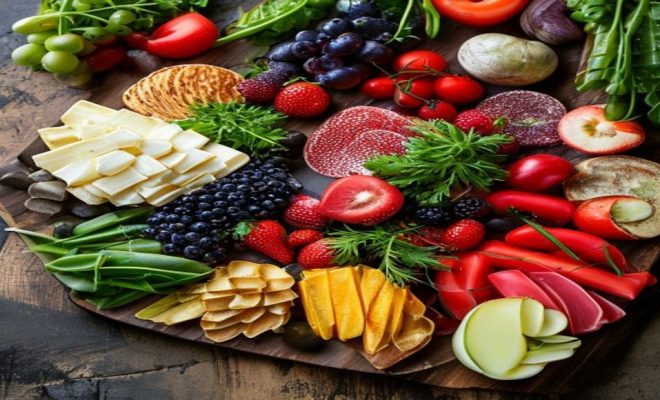
“`html
Creating a charcuterie board is not just an art; it’s a delightful culinary experience that brings people together. These vibrant displays of meats, cheeses, fruits, and accompaniments have become staples at gatherings, parties, and even casual evenings at home. If you’re looking to impress your guests or simply indulge in a smorgasbord of flavors, let’s dive into some essential charcuterie board ideas that will elevate your next gathering.
1. The Classic Charcuterie Board
The foundation of any charcuterie board is a selection of high-quality cured meats. Think varieties like prosciutto, salami, and chorizo. These meats offer a range of flavors and textures, from the delicate saltiness of prosciutto to the spicy kick of chorizo. When arranging your board, aim for variety; this not only creates visual interest but also caters to different palates.
Next, incorporate a selection of cheeses. A classic charcuterie board typically features a mix of soft, semi-soft, hard, and blue cheeses. Brie, aged cheddar, gouda, and gorgonzola are all excellent choices. Pairing the cheeses with the appropriate meats enhances the tasting experience, so consider a soft brie with salty prosciutto or a sharp cheddar with spicy salami.
To elevate your classic charcuterie board even further, consider adding complementary items such as olives, pickles, and mustards. These small bites add layers of flavor and can cleanse the palate between the rich meats and cheeses. For a touch of crunch and sweetness, include artisan crackers or baguette slices. Not only will your guests enjoy the variety, but they’ll also appreciate the effort put into crafting a balanced and delicious spread.
2. Vegetarian Charcuterie Board
Don’t forget about your vegetarian friends! A vegetarian charcuterie board can be just as enticing. Start with a base of artisanal breads and crackers. Include a variety of spreads like hummus, olive tapenade, or roasted red pepper dip for added flavor. Pair these with fresh vegetables, nuts, and dried fruits.
Fresh produce can really elevate your board; think cherry tomatoes, cucumber slices, and bell pepper strips for crunch and color. Adding nuts like almonds, cashews, or walnuts provides a satisfying crunch. For a sweet touch, mix in dried fruits such as apricots, figs, or dates. This board not only looks appealing but also offers a wide range of nutrients, making it a healthy option.
To enhance the vegetarian experience even more, consider adding marinated vegetables like artichokes and roasted peppers. These can bring an exciting flavor profile to your board. Additionally, include some rich cheeses like feta or mozzarella, which pair beautifully with fresh produce. You could even add some fruit-based elements like apple slices drizzled with honey or a selection of fresh berries that provide a refreshing contrast to the savory items.
3. Seafood Charcuterie Board
For those who enjoy seafood, a seafood charcuterie board can be a remarkable showstopper. Start with a base of smoked salmon, which is delicious and visually stunning. You can also add shrimp cocktail, crab cakes, or even sushi rolls, depending on your preferences.
When choosing accompaniments, consider flavors that complement the seafood. Creamy dips, such as a dill cream cheese or a zesty lemon aioli, work beautifully. Add some capers, olives, and fresh herbs like dill or chives for garnish. Serve with a selection of crackers or crusty bread to complete the experience. This board is sure to impress anyone who enjoys the ocean’s offerings!
To give your seafood board an extra flair, think about incorporating unique items such as seaweed salad or a variety of ceviches. These can introduce fresh and vibrant flavors to your spread. You might also consider adding a small bowl of tartar sauce or a homemade cocktail sauce for dipping. The key is to create a colorful and aromatic display that not only looks appetizing but also highlights the freshness of the seafood. (See: Wikipedia on Charcuterie.)
4. Sweet and Savory Charcuterie Board
Sweet and savory combinations can create a unique charcuterie experience. Start with assorted cheeses like brie and gouda and mix them with sweet elements like honey, fruit preserves, or chocolate-covered nuts. This contrasting flavor profile keeps your palate engaged.
Include fresh fruits like strawberries, grapes, and apple slices, and consider adding some candied nuts for an extra layer of sweetness. For an indulgent touch, chocolate-dipped pretzels or artisanal chocolates can be a delightful addition. This style of board is a hit for dessert lovers and can be the perfect end to a meal.
To further develop your sweet and savory board, consider adding flavored popcorn or caramel corn, which can provide an unexpected crunch. You could also include exotic jams, such as fig or blackberry, which pair wonderfully with creamy cheeses. This creates a delightful juxtaposition that encourages guests to explore different flavor combinations. Don’t shy away from including a selection of gourmet chocolate — think dark chocolate with sea salt or chocolate truffles for that additional touch of luxury!
5. Global Inspirations Charcuterie Board
Why not take your taste buds on a world tour? A global charcuterie board can introduce a variety of international flavors. Start with a French-inspired selection featuring pâté, baguette slices, and a selection of French cheeses like Roquefort and Camembert.
Next, mix in Italian elements such as bruschetta, marinated artichokes, and pecorino cheese. For a touch of Asia, include elements like sushi rolls, seaweed snacks, or edamame. Finish off with Middle Eastern dips like baba ghanoush or tzatziki. This board delivers a culinary journey through different cultures and is perfect for adventurous eaters looking to explore diverse flavors.
You can further enhance this concept by incorporating a Spanish flair with items like chorizo, manchego cheese, and olives marinated in herbs and spices. Adding some vibrant dips like romesco or a vibrant green chimichurri can also elevate the experience. Try to include different textures and colors, as they will not just taste good but also look appealing together on the board.
6. Holiday-Themed Charcuterie Board
Creating a charcuterie board that celebrates the season can be a fun way to add festive flair to an event. For example, during the winter holidays, you might want to use red and green ingredients, such as cranberries, pomegranate seeds, and rosemary sprigs for decoration. Add seasonal cheeses that reflect the flavors of the holiday, like a spiced gouda.
Consider incorporating festive treats as well; include gingerbread cookies, peppermint bark, or even a small selection of holiday-themed chocolates. This holiday-themed charcuterie board not only looks beautiful but also creates a vibrant atmosphere that can be enjoyed by family and friends.
As you put together your holiday board, think about the various cultural traditions surrounding the festivities. For instance, a Thanksgiving charcuterie board might include roasted turkey slices and stuffing balls, while a Halloween board could feature pumpkin-flavored treats and spooky cheese shapes. Tailoring your board to reflect the holiday spirit will delight your guests and create lasting memories.
7. Tips for Assembling the Perfect Charcuterie Board
Now that you have a variety of charcuterie board ideas, let’s discuss some tips for assembling the perfect board. First, choose the right board or platter. Wooden boards, marble slabs, or even large plates can serve as your canvas. Make sure it’s big enough to allow for ample spacing between items for a clean presentation.
Next, think about balance. Place larger items like cheese blocks and meat slices first, then fill in gaps with smaller items like nuts, fruits, or crackers. Using small bowls for dips can help keep everything organized and prevent messes. Finally, don’t forget to add some decorative elements, such as fresh herbs or edible flowers, to enhance the visual appeal of your board.
Another valuable tip is to consider the color palette of your board. Aim for a mix of vibrant hues to draw the eye; a rainbow of cheeses and fruits can turn an ordinary board into an extraordinary one. Additionally, vary the shapes and sizes of the items — think wedges of cheese, slices of meats, and whole fruits to create visual interest. (See: CDC on Food Safety.)
Don’t overlook the importance of flavor pairings either. Think about how different tastes can complement each other — for instance, pairing tangy cheeses with sweet fruits or spicy meats with creamy dips. This thoughtfulness in selection will impress your guests and keep them coming back for more!
8. Frequently Asked Questions about Charcuterie Boards
What is a charcuterie board?
A charcuterie board is a platter that features a variety of cured meats, cheeses, fruits, nuts, and condiments. It is designed to be a visually appealing and flavorful spread that encourages sharing and conversation.
How do I choose the right ingredients for my charcuterie board?
Start by selecting a balanced mix of flavors and textures. Choose a variety of meats and cheeses, then add complementary items like fruits, nuts, and dips. Consider dietary restrictions and preferences of your guests to ensure everyone can enjoy the board.
How far in advance can I prepare my charcuterie board?
You can prep your ingredients a few hours in advance. However, it’s best to assemble the board no more than an hour before serving to keep the ingredients fresh and visually appealing. If you prepare items like dips or spreads, you can do this a day in advance and store them in the fridge.
Can I make a charcuterie board for one person?
Absolutely! A personal charcuterie board can be a delightful way to enjoy your favorite snacks. Simply scale down your selections to fit a smaller plate and include a few choice meats, cheeses, and accompaniments for a satisfying meal or snack.
What are some unique themes for charcuterie boards?
Some unique themes include breakfast boards with pastries, fruits, and yogurt; brunch boards featuring bagels, smoked salmon, and cream cheese; or even dessert boards with an array of chocolates, fruits, and sweet dips. The possibilities are endless!
How do I keep my charcuterie board from looking cluttered?
To maintain a clean look, use a large enough board and space items out evenly. Arrange the larger items first, then fill in gaps with the smaller items. Using small bowls for dips and spreads can also help keep everything organized.
What are some great beverage pairings for charcuterie boards?
Pair your charcuterie board with beverages that complement the flavors. For classic boards, red and white wines are excellent choices. Light wines, such as Sauvignon Blanc or Pinot Grigio, work well with seafood options, while a full-bodied red pairs nicely with meats and aged cheeses. If serving a vegetarian board, consider a refreshing craft beer or a fruity cocktail. For a non-alcoholic option, sparkling water with a splash of fruit juice can be a delightful accompaniment as well.
What tools do I need to assemble a charcuterie board?
While you don’t need much to create a charcuterie board, having a few essential tools can make the process smoother. A good quality cheese knife is essential for cutting through different varieties of cheese without losing their shape. Small tongs or spoons for serving, along with toothpicks, can help guests serve themselves easily. Finally, a cutting board or serving platter of adequate size is crucial to give you ample space to arrange everything beautifully.
How can I incorporate seasonal ingredients into my charcuterie board?
Seasonal ingredients can add freshness and flavor to your charcuterie board. In spring, include fresh herbs, asparagus, and peas. Summer boards can feature berries, stone fruits, and fresh vegetables. Autumn allows for the addition of apples, pears, and nuts, while winter brings hearty items like citrus fruits and winter squash. Incorporating local and seasonal ingredients not only enhances flavor but also supports your local farmers! (See: New York Times on Charcuterie Boards.)
9. Charcuterie Board Ideas for Different Occasions
Every occasion calls for a different approach to your charcuterie board. Here are a few ideas to match various events:
Birthday Parties
For a birthday celebration, create a festive board with bright colors and fun elements. Incorporate mini cupcakes or cake pops alongside traditional charcuterie ingredients. You might also consider themed decorations, such as birthday candles or colorful sprinkles, to make it extra special.
Game Day
A game day charcuterie board can be a hearty spread featuring a selection of meats and cheeses that pairs well with beer. Add spicy dips like buffalo sauce or salsa, along with chips and pretzels. Include finger foods like sliders or meatballs to keep your guests satisfied as they cheer on their favorite team.
Bridal Showers
For a bridal shower, create a chic and elegant charcuterie board with a selection of gourmet cheeses and artisanal breads. Incorporate fresh flowers as decoration, and opt for lighter fare with fruits and nuts. Consider pairing your board with a selection of sparkling beverages or mimosas for a festive touch.
Family Gatherings
During family gatherings, aim for a comforting and hearty board. Include family favorites such as smoked meats, cheeses, and condiments that everyone loves. Adding a few warm items, like stuffed mushrooms or roasted vegetables, can create a cozy atmosphere and encourage everyone to dig in together.
Outdoor Picnics
For an outdoor picnic, focus on portability and ease. Pack finger-friendly foods like crostini with spreads, mini sandwiches, and easy-to-eat fruits. Use lightweight containers for dips and keep your board simple to ensure everything travels well. Don’t forget a refreshing drink to complement your outdoor feast!
Incorporating these charcuterie board ideas will surely impress your guests and provide a delightful experience for everyone at your gathering. Whether you’re hosting a formal dinner party or a casual get-together, a well-assembled charcuterie board is a surefire way to elevate the occasion.
“`
Trending Now
Frequently Asked Questions
What should I include on a charcuterie board?
A charcuterie board should include a selection of high-quality cured meats like prosciutto and salami, a variety of cheeses such as brie and cheddar, and complementary items like olives, pickles, artisan crackers, and fruits. This mix creates a visually appealing and flavorful experience for your guests.
How do you arrange a charcuterie board?
To arrange a charcuterie board, start by placing the meats and cheeses in a balanced manner, allowing for variety in textures and colors. Fill in gaps with accompaniments like olives, nuts, and spreads. Use small bowls for dips and arrange crackers or bread around the edges for easy access.
Can I make a vegetarian charcuterie board?
Absolutely! A vegetarian charcuterie board can be just as delightful. Use artisanal breads and crackers as a base, and include spreads like hummus and tapenade. Add fresh vegetables, fruits, cheeses, and nuts to create a vibrant and satisfying spread for your vegetarian guests.
What meats are best for a charcuterie board?
The best meats for a charcuterie board include prosciutto for its delicate flavor, salami for its spiciness, and chorizo for a smoky kick. Aim for a variety of textures and flavors to cater to different palates and enhance the overall tasting experience.
How do you complement cheese on a charcuterie board?
Complement cheese on a charcuterie board by pairing it with appropriate meats and accompaniments. For example, pair soft brie with salty prosciutto, or sharp cheddar with spicy salami. Adding items like nuts, honey, or fruit preserves can also enhance the flavors and create a balanced tasting experience.
Have you experienced this yourself? We’d love to hear your story in the comments.