How to make buttercream frosting
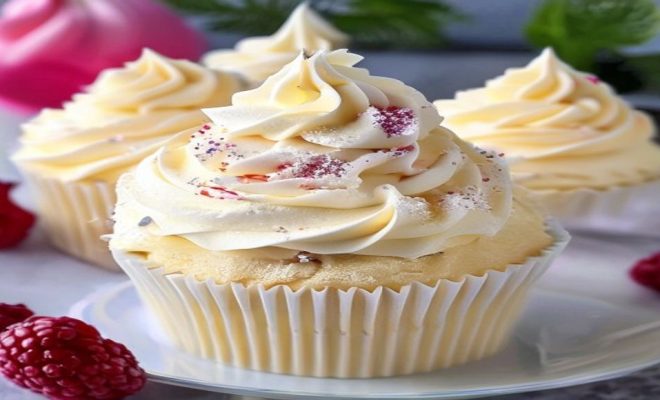
“`html
Buttercream frosting is the sweet, creamy topping that transforms any cake, cupcake, or cookie into a delightful treat. Its versatility and ease of preparation make it a favorite among both novice and experienced bakers. But how exactly do you make the perfect buttercream frosting? In this article, we’ll explore everything you need to know, from the basic components to popular variations, and even some tips to troubleshoot common issues. Whether you’re preparing for a special occasion or just indulging a sweet tooth, this comprehensive guide on the buttercream frosting recipe has got you covered.
1. The Basics: What is Buttercream Frosting?
Buttercream frosting is primarily made from butter and sugar, with varying additions to enhance flavor and texture. Its creamy consistency comes from the aeration of the butter, which provides a rich mouthfeel. This frosting can be easily tinted with food coloring and flavored with extracts, making it a beloved choice for cakes and cupcakes.
There are several types of buttercream, each with its unique characteristics. The most common types include American, Swiss meringue, Italian meringue, and French buttercream. Each has its own preparation method and ideal uses, but they all share the same foundational ingredients: butter and sugar.
2. Ingredients You’ll Need
A classic buttercream frosting recipe generally includes just four main ingredients: unsalted butter, powdered sugar, milk or cream, and vanilla extract. Using unsalted butter allows you to control the saltiness of your frosting, while powdered sugar provides the necessary sweetness and helps achieve a smooth texture. Milk or cream is added to adjust the consistency, and vanilla extract imparts a delicious flavor.
Here’s a quick breakdown of the ingredient quantities for a standard batch of buttercream frosting:
- 1 cup (2 sticks) unsalted butter, softened
- 4 cups powdered sugar
- 2-4 tablespoons milk or heavy cream
- 1 teaspoon vanilla extract
Feel free to adjust the ratio to suit your taste — you can add more sugar for a sweeter frosting or more milk for a thinner consistency.
3. Step-by-Step Instructions for Making Buttercream Frosting
Making buttercream frosting is a straightforward process that can be completed in just a few minutes. Here’s how:
- Soften the Butter: Start by ensuring your butter is at room temperature. This is crucial for achieving a smooth and creamy texture. If your butter is too hard, you can microwave it for short intervals until it’s soft but not melted.
- Cream the Butter: In a mixing bowl, use an electric mixer to beat the softened butter for about 1-2 minutes until it’s pale and fluffy. This step is key; properly creamed butter will give your frosting a light and airy texture.
- Add Sugar Gradually: Gradually add the powdered sugar, one cup at a time, mixing on low speed to prevent a sugar cloud. Once incorporated, increase the mixer’s speed to medium-high and mix until fully combined.
- Incorporate Milk and Flavor: Add your milk and vanilla extract, then mix until smooth. Adjust the consistency by adding more milk if it’s too thick or more powdered sugar if it’s too thin.
- Beat Until Fluffy: Continue mixing for an additional 2-3 minutes until the frosting is light and fluffy.
After these steps, your buttercream frosting is ready to be used! You can pipe it onto cakes, cupcakes, or cookies with ease.
4. Common Variations of Buttercream Frosting
While the classic buttercream frosting is delightful, you can easily customize it to suit different flavors and occasions. Here are some popular variations:
- Chocolate Buttercream: Add ½ cup of unsweetened cocoa powder to the basic recipe to create a rich chocolate version.
- Flavored Buttercream: Incorporate different extracts, such as almond, peppermint, or citrus, to give your frosting a unique twist.
- Cream Cheese Buttercream: Substitute half of the butter with cream cheese for a tangy flavor that pairs excellently with carrot and red velvet cakes.
- Fluffy Swiss Meringue Buttercream: This variation involves heating egg whites and sugar together, whipping, and then incorporating butter for a silky-smooth texture.
Experimenting with these variations can lead to delicious results and keep your baking adventures exciting.
5. Tips for Achieving the Perfect Texture
Getting the right texture for your buttercream frosting is essential for both taste and application. Here are some tips to help you achieve that perfect consistency:
- Room Temperature Ingredients: Always start with room temperature butter and other ingredients. Cold butter will not blend well and could lead to a lumpy frosting.
- Proper Mixing: Don’t rush the mixing process. Beating the frosting for a few extra minutes can make it fluffier and smoother.
- Adjusting Consistency: If your frosting is too thick, add a teaspoon of milk at a time until it reaches the desired consistency. If it’s too thin, gradually add more powdered sugar.
These simple tips can make a significant difference in the quality of your frosting.
6. Common Mistakes to Avoid
Even seasoned bakers can run into challenges when making buttercream frosting. Here are some common mistakes and how to avoid them: (See: Wikipedia on frosting types.)
- Overmixing: While mixing is essential, overmixing can lead to a grainy texture or even cause the butter to melt. Mix just until combined and fluffy.
- Using Cold Ingredients: Using cold butter or milk can cause the frosting to be lumpy. Always ensure your ingredients are at room temperature.
- Not Sifting Sugar: If you skip sifting the powdered sugar, your frosting may have lumps. Sifting helps ensure a smooth texture.
Avoiding these pitfalls will help ensure your buttercream frosting is consistently great every time.
7. Creative Decorating Ideas with Buttercream Frosting
Once you’ve perfected your buttercream frosting, it’s time to show it off! Here are some creative decorating ideas:
- Piping Techniques: Invest in a set of piping tips to create beautiful swirls, rosettes, and other designs. Different tips yield different effects.
- Layered Cakes: Use buttercream frosting between cake layers for added flavor and moisture. Smooth the top and sides for a professional look.
- Coloring: Use gel food coloring to tint your frosting for festive occasions. Pastels work beautifully for spring events, while bold colors can make a statement.
Your buttercream frosting can become a canvas for creativity, making your baked goods not only delicious but visually appealing as well.
8. Storing Buttercream Frosting
If you make more buttercream frosting than you need, storing it properly is key to maintaining its quality. Here’s how to do it:
- In the Fridge: Store any leftover frosting in an airtight container in the refrigerator for up to two weeks. When you’re ready to use it, bring it back to room temperature and re-whip.
- In the Freezer: For longer storage, you can freeze buttercream frosting for up to three months. Use a freezer-safe container, and remember to thaw it in the fridge before use.
Proper storage helps you save time and effort for your next baking session.
9. Buttercream Frosting: Current Trends
As the baking world evolves, so do the trends surrounding buttercream frosting. Here are some current trends worth noting:
- Natural Colors: Many bakers are shifting to natural food colorings made from fruits and vegetables, providing vibrant colors without artificial additives.
- Flavor Innovations: Unique flavor combinations, such as lavender or matcha, are gaining popularity, allowing bakers to customize their desserts.
- Health-Conscious Options: Alternatives like vegan butter and organic sugars are being utilized to cater to those with dietary restrictions.
These trends not only reflect changing consumer preferences but also allow for creativity and experimentation in the kitchen.
10. Final Thoughts on Buttercream Frosting
Buttercream frosting is more than just a sweet topping; it’s a versatile and delightful component that can elevate your baking game. With the right ingredients and techniques, you can create a frosting that’s smooth, flavorful, and perfect for any occasion. Don’t hesitate to experiment with flavors and techniques to make your buttercream uniquely yours.
Whether you’re frosting a birthday cake or a batch of cupcakes for a bake sale, mastering the buttercream frosting recipe will open the door to a world of delicious possibilities. So grab your ingredients and get ready to create something sweet!
11. Buttercream Frosting vs. Other Frosting Types
When it comes to frosting, buttercream isn’t the only option available. Understanding the differences between buttercream frosting and other types can help you choose the right one for your baking needs.
Royal Icing
Royal icing is made from egg whites and powdered sugar. It dries hard, making it perfect for decorating cookies and cakes that need intricate designs. Unlike buttercream, royal icing doesn’t have a creamy texture and is less sweet, which may appeal to some bakers looking for a different flavor profile.
Whipped Cream Frosting
Whipped cream frosting is lighter and less sweet than buttercream. It’s made from heavy cream that is whipped to soft peaks and then sweetened with powdered sugar. This frosting, while delicious, can be less stable and may not hold up well in warm conditions, making it more suitable for immediate consumption.
Fondant
Fondant is a sugar dough that’s rolled out and used to cover cakes for a smooth, polished look. While it doesn’t have the rich flavor of buttercream, it offers a unique aesthetic appeal, allowing for intricate designs and decorations.
Ultimately, your choice of frosting depends on the type of cake, occasion, and personal preference. Each type has its advantages and drawbacks, making it essential to consider the overall dessert experience you want to create.
12. Frequently Asked Questions About Buttercream Frosting
Can I make buttercream frosting in advance?
Yes! You can make buttercream frosting up to a week in advance and store it in the refrigerator. Just be sure to let it come to room temperature and re-whip before using it. (See: CDC Nutrition guidelines.)
Why is my buttercream frosting grainy?
A grainy texture in buttercream usually results from not sifting the powdered sugar. Make sure to sift the sugar before adding it to the butter to avoid lumps.
Can I use margarine instead of butter?
While you can use margarine in place of butter, it may affect the flavor and texture of your frosting. Margarine has a higher water content, which can lead to a less stable frosting. If you prefer a dairy-free option, look for vegan butter that closely mimics the taste of real butter.
How do I thin out buttercream frosting?
If your buttercream is too thick, simply add a tablespoon of milk or cream at a time until you reach the desired consistency. Mix well after each addition to ensure it’s fully incorporated.
What can I use instead of vanilla extract?
If you’re out of vanilla extract, you can substitute with other extracts like almond, maple, or coconut, depending on the flavor profile you want to achieve. Keep in mind that the taste will change based on what you choose.
Can I flavor buttercream frosting with fresh fruit?
Absolutely! You can puree fresh fruits and fold them into your buttercream, but be aware that adding too much liquid can affect the frosting’s consistency. It’s often best to use fruit concentrates or extracts instead for a stronger flavor without altering the texture significantly.
How can I make my buttercream frosting more colorful?
For vibrant colors, use gel food coloring instead of liquid dyes. Gel colorants are more concentrated and won’t affect the consistency of your frosting as much. Start with a small amount and add until you achieve your desired hue.
13. Buttercream Frosting for Special Occasions
Buttercream frosting is perfect for a variety of special occasions. Here are some ideas on how to tailor your frosting for specific events:
Weddings
For weddings, consider a classic vanilla or almond buttercream that can complement a range of cake flavors. Elegant piping techniques can create stunning designs that match the wedding theme.
Birthdays
Bright colors and fun themes are perfect for birthday cakes. You can easily create themed decorations using different piping tips and color combinations, making each cake unique and special.
Holidays
During the holidays, you might want to experiment with flavors like pumpkin spice or peppermint. Seasonal colors and festive decorations can make your desserts a highlight of any celebration.
Whatever the occasion, buttercream frosting adds that special touch that can make your desserts memorable and enjoyable.
14. The Science Behind Buttercream Frosting
Understanding the science behind buttercream can help you master the recipe. The primary components of buttercream are fats and sugars, which interact to create the desired texture and flavor.
Butter, as a fat, plays a crucial role in creating a creamy, smooth texture. When it is whipped, air is incorporated, creating a light structure. This airiness is what makes buttercream frosting so appealing. On the other hand, powdered sugar not only sweetens the frosting but also thickens it, allowing it to hold its shape. The sugar dissolves when mixed with the butter, which creates a stable mixture. (See: New York Times buttercream recipe.)
Temperature is another important factor. If the butter is too warm, the frosting will be too soft, making it difficult to pipe and spread. Conversely, if it’s too cold, it can become lumpy. Ideally, the butter should be at room temperature, around 65°F (18°C).
Lastly, the ratio of sugar to fat is essential. A higher sugar content will yield a stiffer frosting, while less sugar will create a softer buttercream. Depending on your desired outcome, you can adjust these ratios accordingly.
15. Buttercream Frosting in Popular Culture
Buttercream frosting has secured its place in popular culture, often featured in cooking shows, competitive baking events, and social media trends. Shows like “The Great British Bake Off” and “Nailed It!” have showcased buttercream as a staple in cake decoration, leading to a surge in home baking.
Social media platforms, especially Instagram and TikTok, have also played a significant role in popularizing buttercream frosting techniques. From intricate piping designs to unique flavor combinations, bakers share their creations, inspiring others to experiment in the kitchen. Hashtags like #ButtercreamFrosting and #ButtercreamArt have millions of posts, showcasing the creativity and skill of bakers worldwide.
16. Buttercream Frosting for Dietary Needs
With the increasing focus on dietary restrictions and health-conscious eating, there are many ways to adapt the traditional buttercream frosting recipe to accommodate various needs:
Vegan Buttercream Frosting
To create a vegan buttercream frosting, replace the butter with a plant-based alternative like coconut oil or vegan butter. You can still use powdered sugar and add almond or soy milk to achieve the right consistency. This version maintains the creamy texture and sweetness without dairy.
Gluten-Free Options
Since buttercream frosting is naturally gluten-free, you can use it with gluten-free cakes without any concerns. However, always check the powdered sugar to ensure it’s certified gluten-free, especially if you’re baking for someone with severe gluten intolerance.
Low-Sugar Alternatives
If you’re looking to reduce sugar intake, consider using sugar substitutes like erythritol or stevia. These sweeteners can be used in place of powdered sugar, but you may need to adjust the quantities based on the sweetness level. Keep in mind that the texture might change slightly, so experimentation may be necessary.
17. Conclusion
Buttercream frosting is more than just a topping for cakes; it’s a culinary delight that can be adapted to suit any occasion, preference, or dietary need. With the knowledge gained from this article, you can create the perfect buttercream frosting that not only tastes delicious but also looks stunning. From classic recipes to innovative variations, the possibilities are endless. So go ahead, gather your ingredients, and start exploring the delightful world of buttercream frosting!
“`
Trending Now
Frequently Asked Questions
What are the main ingredients in buttercream frosting?
The primary ingredients in buttercream frosting are unsalted butter, powdered sugar, milk or cream, and vanilla extract. These components combine to create a sweet and creamy texture that can be easily flavored and colored.
How do you make buttercream frosting from scratch?
To make buttercream frosting from scratch, beat 1 cup of softened unsalted butter until creamy. Gradually add 4 cups of powdered sugar, mixing well. Then, incorporate 2-4 tablespoons of milk or cream and 1 teaspoon of vanilla extract until you achieve the desired consistency.
What types of buttercream frosting are there?
There are several types of buttercream frosting, including American, Swiss meringue, Italian meringue, and French buttercream. Each type has a unique texture and preparation method, but they all share the basic ingredients of butter and sugar.
Can you flavor buttercream frosting?
Yes, buttercream frosting can be flavored using extracts such as vanilla, almond, or citrus. Additionally, you can incorporate ingredients like cocoa powder for chocolate buttercream or fruit purees for fruity variations.
How do you fix runny buttercream frosting?
If your buttercream frosting is too runny, you can fix it by gradually adding more powdered sugar until the desired consistency is achieved. If it's too thick, you can add a little milk or cream to loosen it.
Agree or disagree? Drop a comment and tell us what you think.