Master the Grill: Juicy, Flavorful Chicken Every Time
“`html
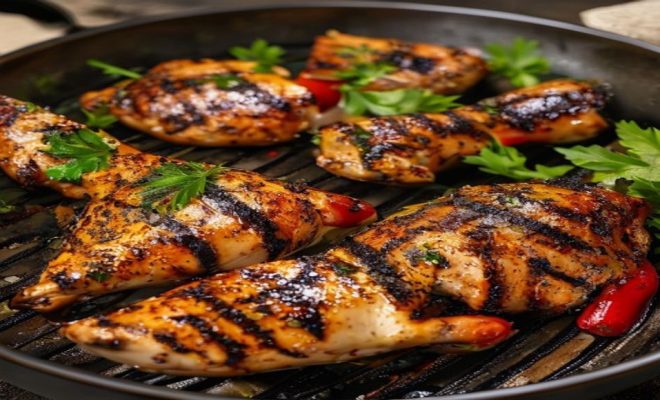
Grilling chicken can be an incredibly rewarding experience, yet so many people struggle to achieve that perfect balance of juicy tenderness and smoky flavor. Whether you’re prepping for a backyard barbecue, a casual dinner, or a summer cookout, mastering the right grilling chicken techniques can elevate your meals from mundane to mouthwatering. In this article, we’ll break down essential methods, tips, and tricks that will make you a chicken grilling pro.
1. Choosing the Right Cut: A Foundation for Flavor
Before you even light the grill, one of the most critical decisions you’ll make is the choice of chicken cut. Each type brings a unique flavor and texture that can significantly influence your grilling results. Chicken breasts are lean and popular but can easily dry out if overcooked. Thighs and drumsticks, on the other hand, have more fat, making them juicy and forgiving on the grill.
Another important factor is whether you choose bone-in or boneless pieces. Bone-in cuts tend to retain moisture better and offer a richer flavor. Conversely, boneless chicken cooks faster, which might be what you need if you’re short on time. Consider marinating or brining your chicken in advance to enhance its flavor and juiciness.
2. Marinating for Maximum Flavor: The Science Behind It
Marinating chicken is one of the simplest yet most effective grilling chicken techniques. A good marinade not only infuses flavor but also helps tenderize the meat. The key components of a marinade typically include acids (like vinegar or citrus juice), oils, and various spices and herbs. The acid helps break down protein structures, resulting in a more tender piece of meat.
For optimal results, marinate your chicken for at least 30 minutes, although several hours or even overnight will yield better flavor absorption. Try experimenting with different flavor profiles like teriyaki, lemon herb, or spicy chipotle to find your favorites!
3. Brining: A Game Changer: The Moisture Miracle
If you want to take your chicken grilling to the next level, consider brining. This technique involves soaking the chicken in a saltwater solution, which helps the meat retain moisture during cooking. A basic brine consists of about 1 cup of salt mixed with 1 gallon of water, but you can customize it with sugar, herbs, and spices for added flavor.
Brining only needs a couple of hours to yield deliciously juicy chicken, and even a brief brine can make a noticeable difference. The salt penetrates the proteins in the chicken, allowing them to hold onto moisture when exposed to heat. This method is especially beneficial for lean cuts like chicken breasts.
4. Temperature Control: The Secret to Perfectly Grilled Chicken
Grilling chicken isn’t just about flame and fire; it’s also about temperature control. The ideal internal temperature for chicken is 165°F (75°C), but how you get there can vary based on the cut. For bone-in pieces, aim for indirect heat at first to cook them thoroughly without burning the skin. Once they’re cooked, you can move them over to direct heat to get that beautiful char.
Using a meat thermometer is a must for achieving perfect doneness. Insert it into the thickest part of the chicken without touching the bone. This ensures accuracy and helps you avoid the dreaded dry chicken. A good rule of thumb is to cook over medium heat for even cooking, but keep a close eye on your grill.
5. Grilling Techniques: Methods to Master
Several grilling techniques can enhance your chicken’s flavor and texture. One popular method is the two-zone fire technique, where one side of the grill is set up for direct heat, while the other is for indirect heat. This way, you can sear the chicken on high heat and then move it to the cooler side to cook through properly.
Another technique worth mastering is spatchcocking, where you remove the backbone of the chicken and flatten it out. This method ensures even cooking and reduces grilling time. Skewering smaller pieces can also be effective, allowing them to cook faster and evenly while being easy to flip. Experiment with these techniques to see what suits your style!
6. Adding Flavor with Wood Chips: Smoky Delights
For those looking to infuse an extra layer of flavor, consider using wood chips while grilling chicken. Different types of wood impart varying tastes. For example, hickory offers a strong, bold flavor, while applewood delivers a milder, sweeter smoke. Soak the wood chips in water for at least 30 minutes before adding them to your grill, which helps create a smokier effect.
Place the soaked chips directly on the coals or in a smoker box if you’re using a gas grill. The smoke will adhere to the chicken as it cooks, creating an irresistible flavor that elevates your dish to restaurant-level quality. Don’t hesitate to mix different kinds of wood for a complex flavor profile! (See: Grilling safety guidelines from CDC.)
7. Resting: The Final Step: Allowing Juices to Redistribute
After you’ve grilled your chicken to perfection, don’t rush to serve it right away. Allowing it to rest for about 5 to 10 minutes is crucial. This resting period lets the juices redistribute throughout the meat, preventing those delicious juices from spilling out when you cut into it. It’s a simple step that can make a world of difference in tenderness and flavor.
Cover the chicken loosely with aluminum foil while it rests to keep it warm. While you wait, you can prepare side dishes or sauces, ensuring that everything is ready to serve when your chicken is perfectly rested and ready to be sliced.
8. Common Mistakes to Avoid: What Not to Do
As you implement these grilling chicken techniques, be aware of common pitfalls that can ruin your chicken. One major mistake is not preheating your grill properly. A hot grill is essential for achieving that coveted sear. Another common error is flipping the chicken too often, which can prevent a proper crust from forming.
Furthermore, resist the urge to cut into your chicken immediately after grilling. Patience is a virtue when it comes to resting. Lastly, avoid using sauce too early in the cooking process; most sauces contain sugar that can burn quickly, masking the flavors of the meat.
9. Advanced Grilling Techniques: Going Beyond the Basics
Once you’ve mastered the foundational techniques, it might be time to explore advanced methods that can take your chicken to new heights. One of these methods is “reverse searing,” which involves cooking the chicken at a lower temperature first to ensure even cooking, followed by a high-heat sear at the end. This method is excellent for thicker cuts of chicken, as it achieves a perfect crust while keeping the inside succulent.
Another technique to consider is using a marinade injector. This tool allows you to infuse flavors deep into the chicken, ensuring that every bite is packed with taste. This method is particularly useful for larger cuts, like whole chickens or bone-in breasts, where surface marinade often isn’t enough.
Finally, consider grilling chicken in a cast iron skillet on your grill. This technique allows you to sauté vegetables alongside the chicken, creating a complete meal while capturing the grill’s smoky flavors.
10. Flavor Profiles: Pairing Marinades and Rubs
Understanding flavor profiles can help you create marinades and rubs that elevate your chicken dishes. For a tropical twist, consider using a marinade with pineapple juice, soy sauce, and ginger. This combination adds sweetness and acidity, perfectly complementing grilled chicken.
If you prefer bold flavors, try a spice rub with smoked paprika, cayenne, brown sugar, and garlic powder. This rub caramelizes beautifully on the grill and adds a robust, smoky flavor that enhances the chicken’s natural taste.
For those who love a refreshing touch, a lemon herb marinade with olive oil, garlic, and fresh herbs like rosemary and thyme can brighten up your grilled chicken. The acidity from the lemon helps to tenderize the meat while imparting a fresh flavor.
Get creative! Mix and match different ingredients to tailor the flavor to your liking and surprise your guests with unique chicken dishes.
11. Healthier Grilling Options: Keeping It Light
If you’re watching your health, grilling chicken can still be a delicious option. Opt for skinless chicken breasts or thighs to reduce fat content. You can also experiment with different cooking methods, such as grilling on a plank, which adds flavor without the need for excess oil.
Incorporate plenty of vegetables alongside your chicken on the grill. Bell peppers, onions, zucchini, and asparagus can add color, texture, and nutrients to your meal. Toss them in olive oil and seasonings, and grill them alongside your chicken for a complete, healthy meal.
Additionally, consider using whole grain or alternative options for sides. Quinoa salad, brown rice, or even a fresh green salad can complement your grilled chicken beautifully while keeping your meal nutritious. (See: New York Times grilling chicken techniques.)
12. Pairing Sides and Sauces: A Complete Meal
To truly impress your guests, pair your grilled chicken with the right sides and sauces. Classic options like coleslaw, potato salad, or grilled corn on the cob can enhance the overall dining experience. Consider offering a range of dipping sauces like chimichurri, BBQ sauce, or a yogurt-based tzatziki for added variety.
For a more refined dining experience, you could serve your chicken with a bed of wild rice and a side of roasted seasonal vegetables. This combination not only looks beautiful on the plate but also brings a balance of flavors and textures to your meal.
Don’t forget about salads! A light, refreshing salad with mixed greens, cherry tomatoes, and a balsamic vinaigrette can be the perfect companion to grilled chicken, helping to cut through the richness of the meat.
13. Grilling Season: Choosing the Right Time
While grilling can be done any time of year, there’s something special about grilling during the warmer months. The smell of chicken sizzling on the grill is synonymous with summer cookouts and family gatherings. However, consider that weather conditions can affect your grilling; for instance, windy days can make temperature control more difficult, while rain can dampen your plans.
Seasonal ingredients can also enhance your dishes. For a summertime grill session, fresh herbs and vegetables are often at their peak. Infuse your marinades with seasonal offerings like basil, cilantro, or fresh citrus to really complement the flavors of the chicken. Fall grilling can also be delightful, with spices like cinnamon or nutmeg adding warmth to your dishes.
14. FAQs About Grilling Chicken
What is the best temperature for grilling chicken?
The best temperature for grilling chicken is around 350°F to 400°F (175°C to 204°C). This allows the chicken to cook through without burning the outside.
How long should you grill chicken on each side?
Generally, you should grill chicken breasts for about 6 to 8 minutes per side, depending on the thickness. Bone-in pieces may take longer, roughly 10 to 15 minutes per side. Always use a meat thermometer to check for doneness.
Can you grill chicken from frozen?
While it is possible to grill chicken from frozen, it’s not recommended. Cooking from frozen can lead to uneven cooking, and it may result in dry chicken. It’s best to thaw chicken in the refrigerator before grilling.
What can I do if my chicken is drying out on the grill?
If you notice your chicken drying out, consider brining it beforehand. Additionally, cooking at a lower temperature for a longer time can help retain moisture. You can also baste the chicken during grilling with a marinade or oil to help keep it juicy.
Is it safe to grill chicken with the skin on?
Yes, grilling chicken with the skin on can enhance flavor and moisture. However, be mindful of flare-ups due to the fat in the skin. You can start grilling skin-side down to render some fat and achieve a crispy texture while flipping the chicken to avoid burning.
Can I use a gas grill and still get that smoky flavor?
Absolutely! Using wood chips or a smoker box on a gas grill can impart that delicious smoky flavor. Just soak the wood chips in water for 30 minutes, and place them in the smoker box or wrap them in foil with holes poked in it to allow the smoke to escape.
15. Common Chicken Grilling Myths Debunked
There are plenty of myths surrounding grilling chicken that can lead to confusion. One common myth is that you must always grill chicken on high heat to achieve a great sear. While a sear is essential, starting over medium heat and then moving to high can be a more effective approach, especially for larger cuts.
Another myth is that chicken must always be cooked until there’s no pink inside. While undercooked chicken is unsafe, many chefs recommend that chicken can be juicy and tender even with a slight pink hue as long as it has reached the safe internal temperature of 165°F (75°C). (See: Scientific insights on marinating.)
Lastly, some believe that marinating chicken overnight is always better. While longer marination can add depth, it can also lead to mushy texture if the marinade is too acidic. Experimenting with marinating times is crucial for finding your perfect balance.
16. Grilling for Large Groups: Tips for Hosting
When you’re hosting a gathering, grilling chicken for large groups can be daunting. Start by planning your menu and choosing cuts that can be prepared in bulk, such as whole chickens or larger pieces. This reduces cooking time and helps maintain consistency in flavor and texture.
Utilize the two-zone technique discussed earlier to manage multiple pieces of chicken. This allows you to cook larger volumes without overcrowding the grill, which can lead to uneven cooking. Additionally, consider preparing some sides ahead of time, allowing you to focus on grilling as your guests arrive.
Have a selection of marinades and rubs ready, so your guests can customize their chicken. This interactive element not only features diverse flavors but also engages your guests in the cooking process, making it more enjoyable.
17. The Future of Grilling: Trends to Watch
As grilling continues to evolve, several trends are rising to prominence. One notable trend is the increasing popularity of gourmet grilling, where chefs focus on high-quality, artisan ingredients and complex flavor combinations. Expect to see a rise in grass-fed, organic chicken options paired with unique marinades that highlight regional flavors.
Additionally, sustainability in grilling is becoming more crucial. Many consumers are seeking organic, locally sourced meats and eco-friendly grilling practices. This shift not only enhances the flavor but also supports local economies and reduces environmental impact.
Finally, technology is playing a larger role in grilling. Smart grills equipped with Wi-Fi connectivity and temperature monitoring features are making it easier for home chefs to achieve perfect doneness without constant supervision. These innovations are perfect for those who want to enjoy outdoor cooking while managing their time more effectively.
18. Final Thoughts: Your Grilling Journey Awaits
By mastering these grilling chicken techniques, you’re well on your way to creating mouthwatering, juicy, and flavorful chicken every time you fire up the grill. Remember to select the right cut, play with marinades and brines, and control your cooking temperature. Don’t forget the importance of resting your chicken before serving.
With a little practice and experimentation, your grilling skills will blossom, impressing friends and family alike. So next time you light the grill, keep these tips in mind, and prepare for a symphony of flavors that will have everyone asking for seconds!
“`
Trending Now
Frequently Asked Questions
What is the best way to grill chicken?
The best way to grill chicken involves choosing the right cut, such as thighs or drumsticks for juiciness, and marinating for flavor. Preheat your grill, cook over medium heat, and monitor the internal temperature to ensure the chicken is cooked through while remaining tender.
How long should you marinate chicken before grilling?
For optimal flavor absorption, marinate your chicken for at least 30 minutes. However, marinating for several hours or overnight will yield significantly better results, enhancing both flavor and tenderness.
Is it better to grill chicken with the bone in or boneless?
Bone-in chicken tends to retain moisture better and offers a richer flavor, making it a great choice for grilling. Boneless chicken cooks faster but can dry out if not monitored closely, so choose based on your cooking time and preferences.
What type of marinade is best for chicken?
A good marinade typically includes acids like vinegar or citrus juice, oils, and various spices or herbs. Popular choices for chicken marinades include teriyaki, lemon herb, and spicy chipotle, which enhance flavor and help tenderize the meat.
How can I prevent grilled chicken from drying out?
To prevent grilled chicken from drying out, choose fattier cuts like thighs, ensure proper marination, and avoid overcooking. Using a meat thermometer to check for doneness can help maintain juiciness and tenderness.
What did we miss? Let us know in the comments and join the conversation.