How to fix mic not working on headset
“`html
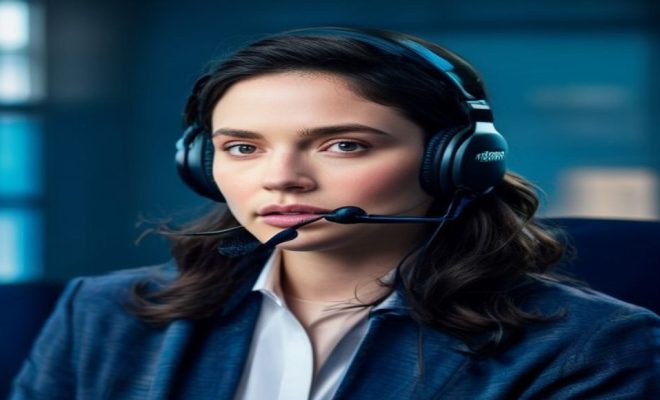
Dealing with audio problems can be one of the most frustrating experiences, especially when it comes to your headset mic not working. Whether you’re on a crucial video call, gaming with friends, or partaking in an online class, having a malfunctioning microphone can derail your plans. In this article, we’ll delve into effective methods to fix headset mic not working issues, ensuring you’re clear and connected when it matters most.
1. Check the Basics: Physical Connections Matter
Before diving into software settings or technical fixes, start with the simplest solutions. Often, problems arise from basic physical connections. Check if the headset is properly connected to your device. For wired headsets, ensure the plug is inserted fully into the audio jack. You’ll want to check whether it’s in the correct port, especially on computers with separate jacks for audio output and mic input.
If you’re using a USB headset, try unplugging it and plugging it back in. Also, consider trying a different USB port. If your headset has an inline microphone control, make sure it’s not muted. These straightforward checks can save you a lot of time and frustration.
2. Inspect Your Headset: Avoiding Hardware Issues
If you’ve confirmed that connections are secure, the next step is to inspect your headset for any physical damage. Look for obvious signs like frayed wires or damaged connectors. If your headset has detachable cables, it might be worth replacing the cable to see if that resolves the issue.
Additionally, test your headset with another device. This will help you determine if the problem lies with the headset itself or the device you’re using. If the microphone works on another device, your original device may have an issue. If it doesn’t work anywhere, it might be time to consider a replacement.
3. Adjust Sound Settings: Ensure Your Mic Is Enabled
Sometimes, the problem isn’t the hardware but the software settings. On Windows PCs, right-click the sound icon in the taskbar and select ‘Sounds.’ Navigate to the ‘Recording’ tab and ensure your headset microphone is set as the default device. If it’s not, right-click on it and choose ‘Set as Default Device.’
Once selected, you can check if the microphone is working by speaking and observing the green bars that indicate sound activity. If they’re not moving when you talk, your mic may still be muted or have incorrect settings. Ensure that the levels are appropriately set; you can adjust this in the properties of the microphone from the same window.
4. Update Audio Drivers: Keep Software Current
Outdated or corrupt audio drivers can often lead to headset mic problems. To fix headset mic not working, you should update your audio drivers. On Windows, go to ‘Device Manager,’ find ‘Sound, video and game controllers,’ right-click your audio device, and select ‘Update driver.’
You can also choose to uninstall the device, then restart your computer. Windows will automatically reinstall the driver upon reboot. Make sure to visit the manufacturer’s website if you’re using a specialized headset, as they might have a newer driver version that resolves specific issues.
5. Run Troubleshooters: Windows Built-in Solutions
If manual adjustments haven’t resolved the issue, you can utilize the built-in troubleshooters in Windows. Go to ‘Settings,’ then ‘Update & Security,’ followed by ‘Troubleshoot.’ Here, you can select ‘Additional troubleshooters’ and find the ‘Recording Audio’ troubleshooter.
This tool will help identify problems and suggest fixes. It’s particularly useful since it automates the process of checking for common issues related to audio input devices, making it a quick way to find solutions without extensive manual intervention.
6. Test with Different Applications: Isolate the Issue
Your headset mic might not work with one specific application, but that doesn’t mean it’s a hardware failure. Different apps have different audio settings, which could cause compatibility issues. Test the mic in various applications—Skype, Zoom, Discord, or even a simple voice recorder app—to narrow down where the issue lies. (See: CDC on audio equipment safety.)
If the microphone works in some applications but not in others, the issue likely resides within the app’s settings. Check permissions to ensure the application can access your microphone. Most apps will have settings available for selecting your input device, which you should verify is set to your headset microphone.
7. Consider Operating System Updates: Stay Up-to-Date
Finally, ensuring your operating system is updated can have a significant impact on your headset functionality. Software updates often include patches that fix bugs affecting hardware performance, including sound issues. On Windows, head to ‘Settings,’ click ‘Update & Security,’ and check for any available updates.
If you’re running macOS, go to the Apple menu and choose ‘System Preferences,’ then ‘Software Update.’ Keeping your operating system current not only enhances security but also resolves compatibility problems that may cause your headset mic to malfunction.
8. Check Audio Enhancement Settings: Disable Unnecessary Features
Sometimes, audio enhancement features can cause unexpected issues with your mic. On Windows, return to the ‘Sound’ settings and right-click your headset mic in the ‘Recording’ tab. Select ‘Properties’ and navigate to the ‘Enhancements’ tab.
Here, you can disable all enhancements to see if it resolves the issue. Some enhancements can interfere with the mic functionality, so testing without them can be a good troubleshooting step. Remember to click ‘Apply’ after making changes.
9. Explore Device Compatibility: What Works Best for You
Your headset mic’s performance can also be influenced by compatibility with your device. Not all headsets are created equal, and some might not work optimally with certain devices. For instance, a headset designed for gaming may have features that don’t translate well to a mobile device.
To explore this further, you can look for product reviews and compatibility lists provided by manufacturers. This can give you insight into whether a particular headset will work as intended with your system. If you’re frequently using different devices, consider investing in a multi-platform headset.
10. Use an External USB Sound Card: A Reliable Workaround
If your headset mic still isn’t functioning after trying all the previous steps, consider using an external USB sound card. This device connects to your computer via USB and provides a new audio input and output interface.
Many users have found that using an external sound card can bypass hardware issues related to onboard audio components. They’re relatively inexpensive and can significantly improve audio quality. Just plug the sound card into a USB port, connect your headset, and you may find that your mic starts working again.
11. Read the User Manual: Manufacturer Guidance
If you’ve exhausted troubleshooting methods without success, it might be helpful to consult the user manual of your headset. Manufacturers often provide specific troubleshooting tips tailored to their products. You can typically find these manuals online if you no longer have the physical copy.
Additionally, checking FAQs on the manufacturer’s website can provide insights that might not be covered in general troubleshooting guides. They may have updates or known issues regarding specific models that can lead to better solutions.
12. Contact Customer Support: When All Else Fails
If you’ve tried everything and your headset mic still isn’t working, it might be time to reach out to customer support. They can provide tailored guidance based on the model of your headset and any specific issues reported by other users. Be ready to provide details about the steps you’ve already taken. This can help them assist you more effectively.
13. Common Questions: FAQ on Headset Mic Issues
What should I do if my headset mic works on one device but not another?
This often indicates a software or settings issue on the device where the mic isn’t working. Ensure that the headset is selected as the input device in the sound settings and check permissions in the applications you’re using.
Can software updates cause my headset mic to stop working?
Yes, sometimes software updates can introduce bugs or change settings that affect audio devices. If this happens, check your audio settings and ensure your mic is still selected as the default input device after any updates. (See: New York Times on headset issues.)
Why does my headset mic keep cutting out during use?
Cuts in audio can be caused by a poor connection or interference. Ensure that your headset is securely plugged in and that there are no damaged wires. Additionally, try using your headset in a different environment to rule out potential interference from other electronic devices.
Is it safe to use third-party drivers for my headset?
While some third-party drivers might offer improved functionality, they can also introduce compatibility issues or even malware. It’s best practice to stick with drivers provided by the manufacturer unless you’re very confident in the source of third-party drivers.
How can I tell if my headset mic is muted?
Most headsets have a mute button or switch that can easily be overlooked. Check for any inline controls on the cable or on the headset itself. Additionally, the sound settings on your device will usually display whether the mic is muted.
What can I do if I frequently experience headset mic issues?
Regular maintenance is key. Keep your headset clean and store it in a safe place when not in use. If problems persist, consider upgrading to a higher quality headset or one that’s known for compatibility with your devices.
14. Understanding Microphone Types: What You Need to Know
When addressing the issue of your headset mic not working, it’s also important to consider the type of microphone you’re using. There are several types of microphones that can affect performance, including dynamic, condenser, and lavalier mics. Each has its strengths and weaknesses, and understanding these can help you choose the right equipment for your needs.
Dynamic microphones are typically more robust and handle high sound pressure levels well. They’re great for live performances but require more gain, which can be an issue when used with some devices. Condenser microphones, on the other hand, are more sensitive and require phantom power, which might not be available on all devices. Lastly, lavalier mics are small and clip onto clothing, making them ideal for presentations but may be more prone to picking up background noise.
Knowing the differences can help you troubleshoot issues better and decide if perhaps a different type of microphone might be a better fit for your needs. For example, if you’re frequently in noisy environments, a dynamic mic might serve you better than a condenser mic.
15. Analyze Your Environment: Sound Quality Matters
Your environment can greatly affect the performance of your headset mic. External sounds, room acoustics, and even electronic interference from nearby devices can undermine audio quality. For instance, if you’re in a room with hard surfaces, sound may bounce around creating echoes that distort your voice. You can improve acoustics by using soft furnishings, carpets, or even soundproofing panels.
Additionally, electronic devices such as routers or other wireless devices may interfere with wireless headsets. If you notice audio quality issues, try moving away from these devices or changing the frequency settings on your headset, if applicable.
16. Common Mistakes to Avoid: Prevent Future Issues
When troubleshooting headset mic issues, it’s easy to overlook some common pitfalls. First, don’t assume the problem is with your headset just because it’s not working with one device. Always test it with another device before making a decision.
Secondly, remember to fully insert the headset jack into the port. A partially connected jack can cause the mic to malfunction without you realizing it. Lastly, avoid using overly long extension cables that can introduce additional points of failure in your audio chain. (See: ScienceDirect on audio technology.)
17. Stay Informed on Firmware Updates: Headset Technology Evolves
Today’s headsets often come equipped with firmware that can be updated. Manufacturers release updates to improve performance, add features, or address bugs. Checking the manufacturer’s website or the headset’s companion app regularly for updates can help you maintain optimal performance.
Updating firmware typically involves connecting your headset to a computer or mobile device and following the manufacturer’s instructions. Although the process may seem tedious, it can significantly enhance functionality and resolve many common issues.
18. Consider Professional Repair Services: When DIY Isn’t Enough
If your headset mic continues to fail after trying everything, you might need to consult professional repair services. Many headset manufacturers have authorized service centers that can diagnose and fix issues that are difficult to address at home. While this might incur costs, it could save you from buying a new headset and provide peace of mind knowing that your device is in expert hands.
Before sending your headset for repairs, check if it’s still under warranty. Many manufacturers offer limited warranties that may cover repairs or replacements for specific issues.
19. Understanding Audio Settings on Different Platforms: A Quick Guide
Different platforms have varying audio settings, and understanding these can streamline your troubleshooting process. For instance, on macOS, you can access sound settings through ‘System Preferences’ where you can adjust input/output devices and levels. On Linux, tools like PulseAudio allow for detailed audio management.
Mobile devices also have distinct audio settings, often found in the ‘Settings’ app under ‘Sound & Vibration’ or ‘Audio.’ Familiarizing yourself with these settings will ensure you’re prepared to adjust them as needed, especially when switching between platforms.
20. Final Thoughts on Headset Maintenance: Keeping Your Mic Healthy
Preventive maintenance can go a long way in ensuring your headset mic works consistently. This includes regularly cleaning your headset to remove dirt and oils that can accumulate on the mic and impede its functionality. Also, be mindful of how you handle your headset; avoid wrapping the cables too tightly or pulling on them while in use, as this can damage both the headset and the mic.
Consider investing in a carrying case for protection during transport. These steps will help prolong the life of your headset and minimize the chances of encountering mic issues in the future.
Conclusion: Achieving Clear Audio
Resolving the issue of a mic not working on your headset can often be achieved through a systematic approach, starting with the most basic checks and moving towards more complex solutions. Remember that achieving clear audio is crucial whether you’re gaming, participating in online meetings, or simply enjoying multimedia. By following these steps, you can confidently troubleshoot and fix headset mic not working problems, ensuring you’re heard loud and clear.
“`
Trending Now
Frequently Asked Questions
Why is my headset mic not working?
There are several reasons your headset mic might not be working, including improper physical connections, hardware damage, or incorrect software settings. Start by checking if the headset is securely connected to the correct port, and inspect it for any visible damage.
How do I fix my headset mic on Windows?
To fix your headset mic on Windows, ensure it's properly connected and not muted. Right-click the sound icon in the taskbar, go to 'Sounds', then 'Recording', and make sure your headset mic is set as the default device. Adjust the volume levels as needed.
What should I do if my headset mic is not detected?
If your headset mic is not detected, first check the physical connections and try using a different USB port or audio jack. If it still isn't recognized, test the headset with another device to determine if the issue lies with the headset or your original device.
Can a damaged headset cable cause mic issues?
Yes, a damaged headset cable can definitely cause microphone issues. Look for frayed wires or broken connectors. If your headset has a detachable cable, replacing it may resolve the problem.
How can I test if my headset mic is working?
To test if your headset mic is working, connect it to a device and use a voice recording application or video conferencing tool. Speak into the mic and see if your voice is captured clearly. If it works on another device, the original device might have issues.
Have you experienced this yourself? We’d love to hear your story in the comments.