How to count carbs for diabetes
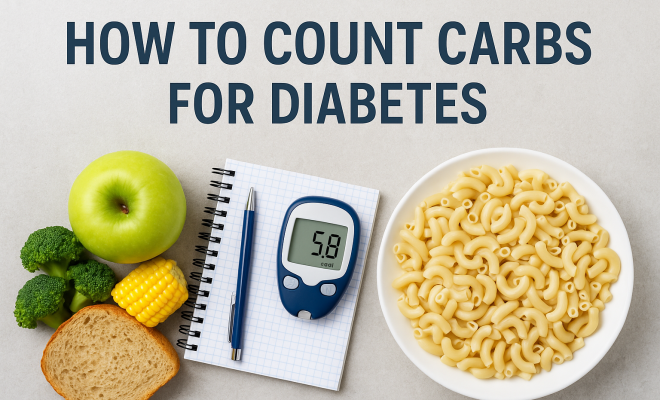
“`html
For many individuals living with diabetes, managing blood sugar levels is a daily challenge. One of the most effective ways to achieve this is through counting carbs for diabetes. Carbohydrates can significantly impact blood sugar levels, making it crucial for diabetics to understand how to monitor their intake. In this comprehensive guide, we’ll cover everything from the basics of carbohydrates to practical tips for counting them effectively, ensuring you have the tools you need to manage your diabetes successfully.
1. Understanding Carbohydrates
Carbohydrates are one of the three main macronutrients (alongside proteins and fats) that provide energy to our bodies. They can be categorized into three types: sugars, starches, and fiber. Each type affects the body differently. Simple carbohydrates, like sugars found in fruits and sweets, are quickly absorbed, leading to rapid increases in blood sugar levels. In contrast, complex carbohydrates, which include whole grains and legumes, take longer to digest, providing a more gradual release of glucose into the bloodstream.
For those with diabetes, understanding the distinction between these types of carbohydrates is vital. Simple carbs can cause swift spikes in blood sugar, while complex carbs can offer more stable energy levels. This knowledge forms the foundation of effective carbohydrate counting, which is an essential skill for managing diabetes.
2. Why Counting Carbs is Important for Diabetes
Counting carbs is an essential strategy for anyone diagnosed with diabetes, particularly Type 1 and Type 2 diabetes. The primary reason is that carbohydrates directly influence blood glucose levels. When you consume carbs, your body breaks them down into glucose, which is then used for energy. If you take in more carbs than your body can handle, especially without adequate insulin, it can lead to hyperglycemia, or high blood sugar.
By learning how to effectively count carbs, you can better regulate your insulin intake, whether through injections or an insulin pump. This practice not only helps in managing blood sugar levels but can also prevent long-term complications associated with diabetes, such as heart disease, neuropathy, and vision problems. For many, it can be a game-changer in achieving a healthier lifestyle.
3. How to Start Counting Carbs
The first step in your carbohydrate counting journey is to familiarize yourself with the carb content of various foods. Reading nutrition labels is a valuable skill, as it reveals the total carbohydrates per serving, including sugars and fiber. For instance, if a food product lists 20 grams of total carbohydrates with 5 grams of fiber, the net carbs are considered 15 grams because fiber does not significantly affect blood sugar.
Additionally, utilizing apps or websites that provide nutritional information can simplify this process. Many of these tools allow you to scan barcodes or search for foods, making it easier to track your intake accurately. The goal is to be mindful of the total number of carbs consumed in each meal, which will ultimately aid in better blood sugar management.
4. Portion Sizes and Carbohydrate Counting
Portion sizes play a critical role in carbohydrate counting. Consuming a small amount of a high-carb food can yield the same blood sugar response as a larger portion of a lower-carb food. Hence, understanding serving sizes is essential. For example, a cup of pasta may contain about 45 grams of carbohydrates, while a slice of bread typically has around 15 grams.
To accurately measure portions, consider investing in a food scale or measuring cups. This will help you become more precise in your carb counting and ultimately lead to better blood sugar control. As you gain experience, you’ll develop a more intuitive sense of portion sizes, allowing you to make better choices without constantly measuring.
5. Different Carb Counting Methods
There are several methods for counting carbs, and the best one for you may depend on your lifestyle and diabetes management goals. The two most common methods include:
- Basic Carb Counting: This method involves tracking the total carbohydrates in each meal without a specific target. You simply aim to be aware of your intake and adjust as necessary.
- Carb Counting with a Target: This approach includes setting a specific number of carbohydrates to consume per meal or day. This strategy is often paired with insulin doses for those using insulin therapy.
Choosing the right method involves understanding your unique needs and consulting with healthcare professionals, such as dietitians, who can guide you in creating a personalized carb counting plan. (See: Managing diabetes through diet.)
6. Types of Foods to Focus On
When counting carbs for diabetes, not all foods are created equal. Prioritizing nutrient-dense options can help maintain balanced blood sugar levels. Here are some categories of foods to consider:
- Whole Grains: Foods like brown rice, quinoa, and oats are excellent sources of complex carbohydrates that offer fiber and essential nutrients.
- Non-Starchy Vegetables: Leafy greens, bell peppers, and broccoli are low in carbs and high in fiber, making them ideal choices for meals and snacks.
- Fruits: While fruits contain natural sugars, they also provide vitamins and fiber. Focus on whole fruits rather than juices, as the fiber helps slow sugar absorption.
- Legumes: Beans, lentils, and chickpeas are great sources of protein and complex carbs, allowing for sustained energy without dramatic blood sugar spikes.
While it’s important to be mindful of carb intake, these food groups provide valuable nutrients that can support overall health.
7. Tips for Successful Carb Counting
Counting carbs can seem daunting at first, but with the right strategies, it can become second nature. Here are some tips to help you succeed:
- Plan Meals Ahead: Preparing meals in advance allows you to control portions and track carbohydrate intake more effectively.
- Keep a Food Diary: Documenting what you eat helps identify patterns in your eating habits and can reveal how different foods affect your blood sugar.
- Educate Yourself: Continuously learning about nutrition and the glycemic index can enhance your understanding of how different foods impact blood sugar.
- Join a Support Group: Connecting with others who are also managing diabetes can provide encouragement, tips, and shared experiences.
By implementing these strategies into your daily routine, you’ll find that counting carbs becomes easier and more intuitive over time.
8. Technology and Tools for Counting Carbs
In today’s digital age, there are numerous technologies and tools available to aid in counting carbs. Mobile apps, such as MyFitnessPal and Carb Manager, allow you to log your meals, track carbs, and even scan barcodes for quick entries. These apps often come equipped with extensive food databases, helping you make informed choices on the go.
Furthermore, continuous glucose monitors (CGMs) provide real-time feedback on blood sugar levels, enabling you to see how your food choices impact your glucose levels instantly. This technology can be a powerful ally in your carb counting journey, offering insights that help tailor your diet and improve overall diabetes management.
9. Addressing Common Challenges
While counting carbs can be beneficial, it does come with its challenges. Many individuals struggle with eating out, where portion sizes and carb contents can be unclear. One solution is to familiarize yourself with the nutrition information of your favorite restaurants ahead of time. Many establishments provide this information online, allowing you to make informed decisions before you even arrive.
Additionally, social situations can create pressure to indulge. In these moments, it’s essential to remember that it’s okay to enjoy special treats in moderation. You can still celebrate and partake in festivities while keeping an eye on your carbohydrate intake. Building a support system with family and friends can also help alleviate the stress of counting carbs in social settings.
10. Consulting Healthcare Professionals
Lastly, don’t underestimate the value of professional guidance. Consulting with a registered dietitian or a diabetes educator can provide personalized insights and strategies tailored to your individual needs. They can help you create a meal plan that balances carbohydrates with other essential nutrients, ensuring you maintain a varied and enjoyable diet.
Remember, managing diabetes is a journey, and having a professional alongside you can make all the difference. They can assist in setting realistic goals and offer ongoing support, helping you stay accountable and motivated.
11. Common Misconceptions About Carb Counting
Many myths surround carbohydrate counting that can lead to confusion or frustration. Here are a few common misconceptions:
- All Carbohydrates Are Bad: While it’s essential to monitor and manage carb intake, not all carbohydrates are harmful. Whole grains, fruits, and vegetables are important sources of nutrients.
- Counting Carbs Is Too Complicated: Initially, it may seem overwhelming, but with practice and the right tools, it can become a manageable part of your daily life.
- You Can’t Eat Carbs If You Have Diabetes: This is false. The key is in moderation and focusing on the quality of carbs rather than a complete elimination.
Understanding these misconceptions helps reduce anxiety around food choices and allows for a more balanced approach to eating. (See: Understanding diabetes and its management.)
12. Carbohydrate Counting and Exercise
Exercise plays a significant role in managing diabetes, and understanding how it interacts with carb counting is vital. Physical activity can lower blood sugar levels, which means you may need to adjust your carb intake accordingly. The American Diabetes Association recommends monitoring your blood sugar before and after exercise to understand how your body responds.
For those who engage in intense workouts, it might be beneficial to have a small carbohydrate-rich snack beforehand to prevent hypoglycemia (low blood sugar). Options like a banana or a small granola bar can provide quick energy without causing a significant spike in blood sugar.
It’s also important to remember that different types of exercise can affect blood sugar levels in unique ways. Aerobic exercises, like walking and swimming, usually lower blood sugar, while strength training may raise levels temporarily. Tailoring your carb intake before, during, and after workouts can optimize your blood sugar management.
13. Examples of Healthy Snacks for Carb Counting
Finding healthy snacks that fit within your carb counting plan can be a challenge. Here are some great options that are both satisfying and nutritious:
- Greek Yogurt with Berries: A serving of plain Greek yogurt topped with a handful of berries offers protein and fiber while keeping carbs in check.
- Hummus and Veggies: Hummus made from chickpeas is rich in protein and fiber, and paired with carrot sticks or cucumber slices, it makes a perfect low-carb snack.
- Apple Slices with Almond Butter: A medium apple with a tablespoon of almond butter provides a balance of carbs, fiber, and healthy fats.
- Cheese and Whole-Grain Crackers: A small serving of cheese with whole-grain crackers offers protein and carbs without spiking your blood sugar.
These snacks prove that you can enjoy tasty treats while still being mindful of carbohydrate intake.
14. The Role of Fiber in Carb Counting
When counting carbs, it’s crucial not to overlook fiber. Fiber is a type of carbohydrate that the body cannot digest, which means it doesn’t raise blood sugar levels. Foods high in fiber can help slow the absorption of sugar into your bloodstream, leading to better blood sugar control.
Incorporating more fiber into your diet can be as simple as choosing whole grains, fruits, vegetables, and legumes. For instance, swapping white bread for whole-grain bread can significantly increase your fiber intake while helping you feel fuller longer.
The American Diabetes Association recommends aiming for at least 25-30 grams of fiber per day for adults. Keeping track of fiber intake along with carbohydrates can provide a more comprehensive picture of how different foods affect your blood sugar.
15. Frequently Asked Questions (FAQ)
Here are some common questions about counting carbs for diabetes, along with answers to help clarify important points:
- How many carbs should I eat per day? This varies by individual, but a common recommendation is to aim for 45-60 grams of carbohydrates per meal, depending on your caloric needs, activity level, and diabetes management goals. Consulting a healthcare provider can help set a target that’s right for you.
- Can I eat sweets if I count carbs? Yes, but moderation is key. If you want a sweet treat, ensure it fits within your carbohydrate allowance for the day. Consider pairing it with protein or fiber to help mitigate blood sugar spikes.
- What are net carbs? Net carbs refer to the total carbohydrates in a food minus the fiber content. Since fiber doesn’t impact blood sugar significantly, calculating net carbs can provide a clearer picture of how a food might affect blood sugar.
- Does carb counting work for everyone with diabetes? While carb counting is effective for many, it may not be the only strategy needed. Some people may require a more comprehensive approach, including monitoring fats and proteins. Discussing personal needs with a healthcare provider is essential.
- How can I make carb counting easier? Start by using apps that track your food intake, plan meals ahead of time, and familiarize yourself with portion sizes. Over time, you’ll become more confident in estimating carb content.
16. Advanced Carb Counting Techniques
Once you’ve mastered the basics of counting carbs, you might want to explore advanced techniques that can enhance your diabetes management. One such technique is the use of carbohydrate-to-insulin ratios. This method helps calculate the amount of insulin required based on the number of carbohydrates you plan to consume. For instance, if your ratio is 1:15, you would take 1 unit of insulin for every 15 grams of carbs consumed. This personalized approach can lead to more precise blood sugar control. (See: World Health Organization on diabetes.)
Another advanced technique is continuous carbohydrate monitoring, which involves using a combination of tools to track your carb intake and blood glucose levels in real-time. Devices like smart food scales can offer nutritional breakdowns of meals, while wearables can track physical activity and its impact on your blood sugar levels. Integrating these technologies can provide a comprehensive picture of how your body responds to various foods and activities.
17. The Importance of Meal Timing
Meal timing can also play a crucial role in carbohydrate counting and blood sugar management. Eating at regular intervals can help maintain stable blood sugar levels. Some individuals find that spacing meals and snacks out every 3-4 hours works well, while others may need more frequent, smaller meals. It’s essential to pay attention to how your body responds to different eating patterns.
In addition to meal frequency, consider the timing of your meals in relation to physical activity. Eating a balanced meal that includes carbohydrates before exercise can offer the energy needed for a good workout. Post-exercise, refueling with the right mix of carbs and protein can aid recovery and support blood sugar stabilization.
18. Creating a Balanced Plate
When you’re focused on counting carbs, it can be easy to overlook other essential nutrients. Aim to create balanced meals by following the plate method. This approach helps visualize portion sizes and ensures a well-rounded intake. Divide your plate into sections: half should be non-starchy vegetables, one-quarter for lean protein, and one-quarter for carbohydrates. This method not only helps with carb counting but also ensures you’re receiving a variety of nutrients to support overall health.
For example, a balanced plate might include grilled chicken (lean protein), steamed broccoli (non-starchy vegetable), and quinoa (healthy carbohydrate). This combination provides a satisfying meal that supports both blood sugar management and nutritional needs.
19. Community Resources and Support
Building a support network can significantly ease the journey of counting carbs and managing diabetes. Many communities offer diabetes education programs that provide resources, workshops, and support groups. Joining local or online diabetes communities can connect you with individuals who share similar experiences, offering a platform for advice and encouragement.
Utilizing social media platforms allows you to follow dietitians and diabetes educators who regularly share tips, recipes, and personal stories. Engaging with these resources can enhance your understanding of carb counting, provide motivation, and introduce you to new ideas that make managing diabetes more enjoyable.
Incorporating the practice of counting carbs for diabetes into your daily life can be transformative. By understanding carbohydrates, applying effective strategies, and utilizing available resources, you can take control of your blood sugar levels and enhance your overall health. Remember, every small step counts, and staying informed is key to thriving with diabetes.
“`
Trending Now
Frequently Asked Questions
What are the best ways to count carbs for diabetes?
The best ways to count carbs for diabetes include reading nutrition labels, using food scales, and employing carbohydrate counting apps. Keeping a food diary can also help track your daily intake. Understanding the difference between simple and complex carbohydrates is crucial for managing blood sugar levels effectively.
Why is carbohydrate counting important for diabetics?
Carbohydrate counting is important for diabetics because carbohydrates directly impact blood glucose levels. By managing carb intake, individuals can prevent spikes in blood sugar, reduce the risk of hyperglycemia, and maintain better overall control of their diabetes.
How do carbohydrates affect blood sugar levels?
Carbohydrates affect blood sugar levels by being broken down into glucose during digestion. Simple carbs can cause rapid spikes in blood sugar, while complex carbs lead to a slower, more gradual release. Understanding this difference helps diabetics manage their blood sugar effectively.
What types of carbohydrates should diabetics avoid?
Diabetics should generally avoid simple carbohydrates, such as sugars found in sweets, sugary beverages, and processed foods, as they can lead to rapid increases in blood sugar. Instead, focusing on complex carbohydrates like whole grains and legumes can provide more stable energy levels.
Can counting carbs help with weight management in diabetes?
Yes, counting carbs can assist with weight management in diabetes. By being mindful of carbohydrate intake, individuals can better control their calorie consumption, leading to healthier weight outcomes. This is especially important for those with Type 2 diabetes, where weight management is a key factor in blood sugar control.
What did we miss? Let us know in the comments and join the conversation.