Copyright Your Logo: A Crucial Guide for 2024
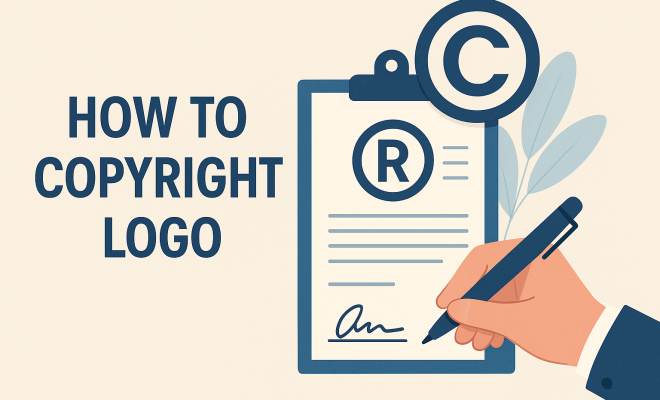
“`html
If you’re a business owner or a creative professional, you likely know that a logo is not just a fancy graphic; it’s a critical part of your brand identity. But while many people know the importance of having a logo, fewer understand the importance of copyrighting it. So, how do you copyright a logo? This guide will walk you through the essential steps you need to take to ensure your logo is legally protected.
1. Understanding Copyright Basics
Before diving into the specifics of copyrighting a logo, let’s clarify what copyright actually is. Copyright is a legal right that grants the creator of original work exclusive rights to its use and distribution, typically for a limited time. In the realm of logos, copyright protects the expression of ideas rather than the ideas themselves. This means that while you can’t copyright the concept of a logo, you can copyright the unique design that visually represents your brand.
In most countries, copyright protection is automatic as soon as a work is created and fixed in a tangible form. In simpler terms, if you design a logo, it’s already protected by copyright law even if you haven’t registered it. However, registering your copyright can provide additional legal benefits, especially if you ever need to defend your rights in court.
2. The Importance of Copyrighting Your Logo
You might wonder, why go through the hassle of copyrighting a logo if it’s already technically protected? The answer lies in the additional security and legal advantages that come with registration. When you copyright a logo, you gain the evidence needed to prove ownership and the ability to sue for infringement. This is crucial in a world where intellectual property theft can have devastating impacts on your business.
Moreover, copyright registration can deter potential infringers. Knowing that you’ve taken the legal steps to protect your work may make others think twice before attempting to use or replicate your logo. This proactive approach not only safeguards your brand but also reinforces your reputation as a professional in your industry.
3. Designing Your Logo with Copyright in Mind
Before you even think about copyrighting your logo, it’s essential to create a design that is original and distinctive. The more unique your logo is, the stronger your copyright claim will be. Avoid using generic symbols, stock images, or designs that closely resemble existing logos. If your logo is too similar to another brand’s, not only might you face legal challenges, but you’ll also risk confusing consumers.
Consider hiring a professional graphic designer who understands copyright issues. They can help you create a logo that is not only visually appealing and aligned with your brand but also stands a better chance of being copyright-protected. A solid design process involves brainstorming, sketching, and creating multiple iterations before arriving at the final product.
4. Conducting a Trademark Search
Before you copyright a logo, it’s advisable to conduct a trademark search. While copyright protects artistic works, trademarks protect symbols, names, and slogans that distinguish goods and services. If you find that your logo or a similar one is already trademarked, you’ll need to rethink your design.
A trademark search can be done online through databases such as the U.S. Patent and Trademark Office (USPTO) website. There, you can check if your logo is already in use and if similar logos exist. This step is crucial as it can save you from future legal complications and costs associated with trademark infringement.
5. Registering Your Copyright
To officially copyright a logo, you need to complete the registration process through the relevant copyright office in your country. In the U.S., this is managed by the U.S. Copyright Office. Start by filling out an application form, which can often be completed online. You’ll need to provide details about the logo itself, its creation date, and any other relevant information. There’s a fuller look at Ai copyright lawsuit risks.
Once your application is submitted, you’ll need to pay the registration fee, which varies depending on the type of work and whether you’re submitting it online or via mail. After payment, you’ll typically receive a confirmation, and your logo will be officially registered in a few months, depending on the volume of applications the office processes. (See: Understanding copyright basics.)
6. Using the © Symbol
Once your logo is copyrighted, you can use the © symbol to signify that your logo is legally protected. Including this symbol on your logo or marketing materials serves as a notice to others that the design is your intellectual property. While using the © symbol isn’t a legal requirement, it’s a good practice that adds an extra layer of protection.
Additionally, you might consider adding a statement like “All Rights Reserved” to further clarify that you retain all rights to the logo. This not only discourages unauthorized use but also reinforces your authority over the design. Moreover, it’s a clear message to others that you take your copyright seriously.
7. Monitoring and Enforcing Your Copyright
Once you’ve copyright a logo, your responsibilities don’t end there. Actively monitor the use of your logo to ensure that no one else is infringing on your rights. This can include regularly searching the internet and social media platforms for unauthorized uses, which can be time-consuming but essential in protecting your brand.
If you discover someone using your logo without permission, you have several options. You can start with a polite cease-and-desist letter informing the infringer of your rights. If that doesn’t work, you may have to take legal action. Consulting with an intellectual property attorney can help you navigate this process effectively, ensuring that your rights are upheld.
8. Understanding International Copyright Implications
If your business has international reach, understanding how copyright laws apply in other countries is crucial. Copyright laws vary significantly from one jurisdiction to another, which can complicate matters if you plan to expand your brand globally. While many countries adhere to the Berne Convention, which provides a baseline for copyright protection, specifics can differ.
To ensure your logo is protected internationally, you may need to register it in each country where you operate. Some regions have specific registration requirements, while others may automatically recognize copyrights without a formal registration process. Researching these laws or working with international intellectual property attorneys can save you from potential issues down the line.
9. Renewing and Maintaining Your Copyright
Copyrights don’t last forever. In the U.S., for example, a copyright lasts for the life of the creator plus 70 years. However, if your logo is a corporate work, it lasts for 95 years from publication or 120 years from creation, whichever is shorter. To maintain your rights, you’ll need to stay informed about renewal requirements, especially as you approach the expiration of your copyright.
Regularly reviewing your copyright status and considering re-registration can help ensure your logo remains protected. In some instances, updating your logo design can also be a smart move. A refreshed logo can breathe new life into your brand while retaining the core elements that consumers recognize. Just remember that if you modify your logo, you may need to copyright the new design as well.
10. Common Myths About Logo Copyright
There are a few common misconceptions surrounding the copyrighting process for logos that can lead to confusion. One prevalent myth is that by simply adding a copyright notice to your logo, you automatically have full protection. While a copyright notice can deter unauthorized use, it doesn’t replace the need for formal registration.
Another myth is that you can copyright any design as long as it’s yours. This isn’t entirely true; if your logo is too similar to an existing trademark, it could be rejected or lead to legal issues later. Always ensure your design is unique and not likely to be confused with others in the market.
11. Cost of Copyrighting a Logo
The cost of copyrighting a logo can vary widely based on various factors such as your location and whether you choose to hire an attorney. In the U.S., the registration fee for a copyright application can range from $35 to $55 if you file online. However, if you opt for legal assistance, you might pay an additional $100 to $500 depending on the complexity of your case.
While these costs may seem steep, think of them as an investment in your brand’s future. Protecting your logo from misuse can save you money in the long run and ensure your brand retains its unique identity in the marketplace. (See: U.S. Copyright Office.)
12. Additional Resources
Understanding the copyright process can be overwhelming, but numerous resources can help. The U.S. Copyright Office offers guides and FAQs on copyright basics, registration, and maintenance. For international copyright concerns, organizations like the World Intellectual Property Organization (WIPO) provide helpful information on global copyright laws.
Additionally, engaging with online communities of business owners and creatives can yield valuable insights and experiences. Websites like Reddit and LinkedIn often have groups dedicated to intellectual property discussions where you can ask questions and share knowledge.
13. FAQs About Copyrighting a Logo
What can be copyrighted in a logo?
The specific design elements of a logo can be copyrighted, such as the unique combination of shapes, colors, and graphics. However, the underlying concepts or ideas behind the logo cannot be copyrighted.
How long does copyright last for a logo?
In the U.S., a copyright lasts for the life of the creator plus 70 years. If created by a corporation or business, the copyright lasts for 95 years from publication or 120 years from creation, whichever is shorter.
Can I copyright a logo that is similar to another brand’s logo?
It is risky to copyright a logo that resembles another brand’s logo. If the logos are too similar, your application may be rejected, or you could face legal challenges after registration.
Is it necessary to hire an attorney to copyright a logo?
While it’s not required to hire an attorney, doing so can help navigate the complexities of copyright law and ensure that your application is completed properly. An attorney can also assist in monitoring and enforcing your rights.
What should I do if someone is using my copyrighted logo?
If you find someone using your logo without permission, start by sending a cease-and-desist letter. If that doesn’t resolve the situation, consider consulting with an intellectual property attorney to explore legal action.
14. Future Trends in Logo Copyright
As digital marketing grows, the way logos are created and used is evolving. With the rise of AI-generated designs, new challenges are emerging regarding copyright ownership. Questions about originality and the ethics of using AI for design may shape future legislation and practices in copyright law.
Additionally, as globalization continues, businesses will increasingly need to ensure their logos are protected in multiple jurisdictions. More companies may also find value in securing trademark registrations alongside copyright to enhance their brand protection strategies.
15. Case Studies: Successful Logo Copyrights
Several well-known brands have successfully navigated the copyright process to protect their logos. For instance, the Nike “Swoosh” logo is a prime example of effective copyrighting. Created in 1971 by graphic designer Carolyn Davidson, it was officially registered, allowing Nike to defend its design against imitators. To this day, the Swoosh remains one of the most recognized logos worldwide, reinforcing the importance of securing copyright early.
Another example is Starbucks, which has gone through various logo iterations. Each redesign has been accompanied by careful copyright registration, allowing the brand to maintain exclusivity over its logo. This proactive approach has helped Starbucks remain a leader in the coffee industry, demonstrating how copyright can be leveraged to build and protect a brand’s identity.
16. The Intersection of Copyright and Trademark
While copyright and trademark protect different aspects of intellectual property, they often overlap in the realm of branding. Copyright primarily protects the artistic elements of a logo, while trademarks protect the brand name and distinctiveness in the marketplace. For this reason, many businesses opt to secure both copyright and trademark registrations to provide comprehensive protection for their branding efforts.
For instance, a logo may be copyrighted as a work of art, while its distinctive features that identify the goods or services it represents can be trademarked. This dual approach not only reinforces brand identity but also enhances legal protection against potential infringement on multiple fronts.
17. Statistics on Copyright Infringement
According to the U.S. Chamber of Commerce, copyright infringement costs U.S. businesses an estimated $58 billion annually. This staggering figure highlights the importance of taking proactive measures, such as copyrighting a logo, to safeguard against losses due to unauthorized use. Statistics also show that businesses that register their copyrights are significantly more likely to prevail in legal disputes, with success rates ranging from 75% to 90% when compared to unregistered works.
Furthermore, a study by the International Trademark Association (INTA) indicates that nearly 70% of businesses experience some form of intellectual property infringement. This statistic emphasizes that copyrighting a logo isn’t just a legal formality; it’s a critical business strategy for protecting brand assets in an increasingly competitive marketplace.
18. Tips for Small Business Owners
If you’re a small business owner considering copyrighting your logo, there are a few key tips to keep in mind. First, invest time in research and development during the design phase to ensure your logo is unique. This initial investment can save you from costly legal challenges later on.
Second, keep documentation of your design process. This includes sketches, drafts, and notes that outline your creative process. Such documentation can be invaluable in proving ownership should any disputes arise. Finally, consider integrating copyright registration into your business strategy from the outset. Allocating a portion of your budget for this process can safeguard your brand and support your long-term success.
Ultimately, copyrighting your logo is an essential step to protecting your brand identity and ensuring that your hard work is legally safeguarded against infringement. By following these steps, you can create a strong legal foundation that supports your brand’s growth and integrity.
“`
Trending Now
Frequently Asked Questions
How do I copyright my logo?
To copyright your logo, create a unique design and fix it in a tangible form. While copyright protection is automatic upon creation, registering your logo with the copyright office provides additional legal benefits, such as proof of ownership and the ability to sue for infringement.
What are the benefits of copyrighting a logo?
Copyrighting your logo offers several benefits, including legal protection against unauthorized use, proof of ownership, and the ability to take legal action against infringers. Registration can also deter potential theft, as it signals that your work is legally protected.
Is it necessary to register a logo copyright?
While copyright protection is automatic when you create your logo, registering it is highly recommended. Registration offers stronger legal standing in case of disputes, provides evidence of ownership, and can enhance your ability to enforce your rights in court. We covered Indonesia's new copyright law in more detail.
What does copyright protect in a logo?
Copyright protects the unique design and artistic expression of your logo, not the underlying concept or idea. This means that while others can create similar logos, they cannot replicate your specific design without permission.
Can I copyright a logo I didn’t create myself?
You can only copyright a logo if you are the original creator or have obtained the necessary rights from the creator. If you hire a designer, ensure that you have a written agreement that transfers copyright ownership to you.
What did we miss? Let us know in the comments and join the conversation.