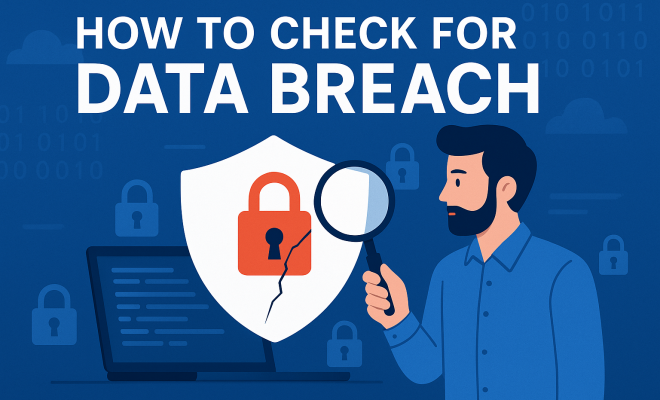
Data Breach Check: Protect Your Info in a Digital World
“`html
In our increasingly digital world, the threat of data breaches looms large, impacting millions of users and businesses alike. With hackers becoming more sophisticated, knowing how to perform a data breach check is crucial for safeguarding your personal information. This guide will walk you through the most effective strategies for identifying if your data has been compromised, along with some practical steps to take should you find yourself in this situation.
1. Understanding Data Breaches
Before diving into the specifics of how to check for a data breach, it’s essential to grasp what a data breach actually represents. At its core, a data breach occurs when unauthorized individuals gain access to sensitive data, often including personal details such as names, email addresses, passwords, and even financial information. Common causes of data breaches include hacking, insider threats, and accidental disclosures.
Data breaches can have severe repercussions, ranging from identity theft to financial loss. According to recent statistics, approximately 5.1 billion records were compromised in 2020 alone. Thus, being proactive about checking for data breaches should be a priority for everyone who uses the internet.
Understanding the scope of data breaches isn’t just about the numbers. It’s equally about the types of data that can be compromised and the potential implications. For instance, data breaches can vary in severity—an email address might get you spam, but a Social Security number could lead to a complete identity theft scenario. A survey by the Identity Theft Resource Center found that 2020 experienced a 17% increase in data breaches compared to the previous year, highlighting the growing threat landscape.
2. How to Conduct a Basic Data Breach Check
The first step in performing a data breach check is to utilize reputable online tools designed to scan your accounts against known breaches. Websites like Have I Been Pwned allow users to enter their email address and check if it has appeared in any past data leaks. This service is user-friendly and provides immediate results, indicating whether your information has been compromised.
Additionally, if you’ve used the same password across multiple sites, it’s wise to check those as well. A simple search for the specific password in breach databases can help determine if you need to take further action. Remember, the more comprehensive your checks, the safer you’ll be.
Beyond basic checks, consider implementing ongoing monitoring solutions. Some services provide real-time alerts if your data appears in new breaches, allowing you to react quickly. This proactive approach is essential in an environment where breaches can occur frequently, and new vulnerabilities are constantly being discovered. Keeping an eye on your accounts and credentials not only helps you catch problems early but also builds a stronger defense against cyber threats.
3. Utilizing Security Alerts
Many online services now offer security alerts as a feature. Setting up notifications from your email providers, financial institutions, and social media platforms can provide early warnings about unauthorized access attempts. For example, Google offers a tool called Security Checkup, which reviews your account’s security settings and alerts you to any suspicious activity.
These alerts can serve as an early warning system. If you receive a notification about a sign-in attempt from an unrecognized device or location, it’s a clear sign that your account may have been compromised. Taking immediate action in this case can prevent further damage.
Consider customizing your alert settings on these platforms to ensure you receive notifications for all potentially suspicious activities. The more specifics you can get about who’s accessing your data and from where, the better equipped you’ll be to respond. Remember, swift action can often mitigate the damage from a potential breach.
4. Regularly Update Passwords
One of the simplest yet most effective methods to protect your data post-check is by regularly updating passwords. You should change your passwords every few months, especially if you suspect any risk of a breach. A strong password should be unique, mixing letters, numbers, and symbols, making it harder for hackers to guess. (See: Understanding the impact of data breaches.)
In addition to changing passwords, consider using a password manager. These tools can generate complex passwords and store them securely, so you don’t have to remember each one. Popular managers like LastPass and 1Password can help you maintain strong, distinct passwords across all your accounts.
It’s also worth noting that the use of passphrases—a series of random words or a memorable phrase—can enhance security while still being easier to remember than complex passwords. This method not only increases complexity but also tends to be more user-friendly. Combine this with regular password changes, and you create a formidable barrier against unauthorized access.
5. Two-Factor Authentication (2FA)
Implementing two-factor authentication is another critical step in enhancing your online security. This method requires not only a password but also a second piece of information to verify your identity, such as a text message code. By enabling 2FA, you add an additional layer of protection that can prevent unauthorized access, even if your password is compromised.
Many major platforms, including Google, Facebook, and banking services, offer 2FA as an option. Setting this up can significantly decrease your risk of falling victim to a data breach. Remember, while it may require an extra step during login, the added security is well worth the hassle.
Some platforms also offer app-based 2FA, such as Google Authenticator or Authy, which can be more secure than SMS-based verification. These apps generate time-sensitive codes that are harder for attackers to intercept. When setting up 2FA, take the time to explore these options and choose the one that best aligns with your security needs.
6. Monitoring Your Financial Statements
After conducting a data breach check, don’t neglect to regularly monitor your bank and credit card statements. Vigilance can help you detect any fraudulent transactions early on. If you notice anything unusual, such as unfamiliar purchases or withdrawals, it’s important to report them to your financial institution immediately.
Additionally, consider enrolling in a credit monitoring service. Companies like Experian and TransUnion provide services that alert you to changes in your credit report, which can be a sign of identity theft. Some services even offer identity theft insurance, providing peace of mind in the event that your data does fall into the wrong hands.
Keep in mind that periodic checks are not sufficient. Regular monitoring of your accounts should become a habit. Financial institutions frequently update their systems to detect unusual activities, but you are often the first line of defense. In addition, you can request a free credit report from each of the three major credit reporting agencies once a year through AnnualCreditReport.com, allowing you to review your credit for accuracy and any signs of fraud.
7. Learn from Past Breaches
Finally, it’s essential to stay informed about recent data breaches. Many organizations publish lists of companies that have experienced breaches, including details about the nature of the attack and the type of data compromised. By understanding common vulnerabilities, you can better protect yourself.
For instance, when the Equifax breach occurred in 2017, it affected over 147 million individuals. Understanding what went wrong can help you avoid similar pitfalls. Always be cautious with your data, and keep yourself updated on security practices to stay one step ahead of potential threats.
It can also be helpful to follow cybersecurity news sources and blogs. Websites like Krebs on Security often report on new breaches and emerging threats. Staying informed not only helps you react more effectively but can also provide insights into best practices for data protection.
8. FAQs About Data Breach Checks
What is a data breach check?
A data breach check is a process of verifying whether your personal information has been exposed in known data breaches. This typically involves using online services that aggregate data from past breaches to see if your email address or other identifiers have been compromised. (See: NIST data breach guidelines.)
How often should I perform a data breach check?
It’s a good idea to check for breaches at least every few months, especially if you have been notified of a breach involving a company you utilize. Additionally, setting up alerts can help keep you informed about new breaches as they occur.
Can I recover my data after a breach?
Once your data has been breached, you cannot recover it, but you can take steps to protect yourself moving forward. This includes changing passwords, monitoring accounts, and possibly utilizing credit monitoring services to mitigate any potential damage.
What should I do if I find out my information has been compromised?
If you discover that your information has been compromised, take immediate steps to secure your accounts. Change passwords, enable 2FA where available, and monitor your financial accounts for any unauthorized activity. Depending on the severity, consider placing a freeze on your credit report.
Are there any costs associated with checking for data breaches?
Most basic data breach checks are free, especially services like Have I Been Pwned. However, if you choose to utilize premium credit monitoring services or identity theft protection, those may come with associated costs.
9. Advanced Steps to Enhance Your Data Security
For anyone serious about data security, it’s wise to consider advanced protection measures. This can include things like utilizing a VPN when accessing public Wi-Fi, ensuring that software and operating systems are always updated, and being cautious about the information you share online.
Another advanced step is to implement a strategy called “data minimization.” This means being judicious about the data you share, only providing information that is necessary for specific services. The less personal information you share, the less there is to steal.
Cyber hygiene practices, such as regularly reviewing your social media privacy settings and being mindful of phishing attempts, can also go a long way in safeguarding your information. It’s essential to approach your online presence with the mindset that you need to protect your data proactively.
10. The Future of Data Breach Protection
As technology evolves, so do the methods used by hackers. Future data protection efforts will likely leverage more sophisticated algorithms and machine learning to detect breaches before they occur. Additionally, the rise of biometric authentication methods, such as fingerprint or facial recognition, may also play a significant role in securing personal data.
Consumers will need to remain vigilant and adaptive to these changes. This includes being open to new security technologies and practices as they become available. The landscape of data security can shift quickly, and those who stay informed and proactive will be best positioned to protect their personal information.
11. Common Misconceptions About Data Breaches
Understanding data breaches comes with its share of misconceptions. One common myth is that only large companies are at risk. In reality, small businesses are often targeted just as frequently, if not more so, because they may lack the robust security measures of larger organizations. Any entity that collects data can be a potential target. (See: WHO on data breaches and security.)
Another misconception is that using complex passwords is enough to prevent breaches. While strong passwords are crucial, they shouldn’t be the only line of defense. Combining strong passwords with two-factor authentication and regular security checks is far more effective.
Lastly, many people believe that once a data breach is reported, they can simply wash their hands of it. The truth is, the aftermath of a breach can linger, requiring ongoing vigilance and preventive measures long after the initial incident.
12. Statistics That Highlight the Importance of Data Breach Checks
Statistics highlight the urgency of conducting regular data breach checks. According to a report by Cybersecurity Ventures, cybercrime is expected to cost the world $10.5 trillion annually by 2025. This staggering figure showcases just how critical it is for individuals and businesses to prioritize security measures.
In 2021 alone, the average cost of a data breach was reported to be around $4.24 million, according to IBM’s Cost of a Data Breach Report. This figure underscores the financial ramifications that can arise from a single breach, making a robust data breach check routine not only a security concern but a financial imperative.
Furthermore, a survey by Ponemon Institute found that 60% of small businesses close within six months of a cyber-attack. This statistic serves as a wake-up call for entrepreneurs to take cybersecurity seriously, highlighting how critical it is to conduct regular data breach checks and implement strong defenses.
13. Resources for Staying Informed
Staying informed about data breaches and cybersecurity trends can significantly bolster your protective measures. Websites like Breach Level Index track and report on data breaches while offering extensive resources on how to protect your data. Following government resources like the Cybersecurity and Infrastructure Security Agency (CISA) can also provide valuable insights into current threats and recommended practices.
Moreover, subscribing to alerts from cybersecurity companies can keep you updated on emerging threats. Many organizations, such as Kaspersky and Norton, offer newsletters that provide insights into the latest cyber threats and tips for safeguarding your information.
In conclusion, checking for data breaches should be part of your regular online safety routine. By following these steps, implementing strong security practices, and staying informed, you can significantly reduce your risk of being affected by a data breach. Don’t wait until it’s too late; take action now to secure your personal information and protect your online identity.
“`
Trending Now
Frequently Asked Questions
How do I know if my data has been breached?
You can check if your data has been breached by using reputable online tools like 'Have I Been Pwned.' These platforms allow you to enter your email address and see if it has been involved in any known data breaches.
What should I do if my data has been compromised?
If your data has been compromised, immediately change your passwords for affected accounts, enable two-factor authentication, and monitor your financial statements for unusual activity. Consider placing a fraud alert on your credit report.
What are the common causes of data breaches?
Common causes of data breaches include hacking, insider threats, accidental disclosures, and inadequate security measures. Understanding these causes can help you take steps to protect your personal information.
How serious is a data breach?
Data breaches can be very serious, leading to identity theft, financial loss, and damage to your reputation. The severity depends on the type of information compromised, such as email addresses or Social Security numbers.
How often do data breaches occur?
Data breaches are increasingly common, with a reported 5.1 billion records compromised in 2020 alone. The trend shows a 17% increase in breaches compared to the previous year, highlighting the urgent need for vigilance.
What did we miss? Let us know in the comments and join the conversation.