How to carry backpack correctly
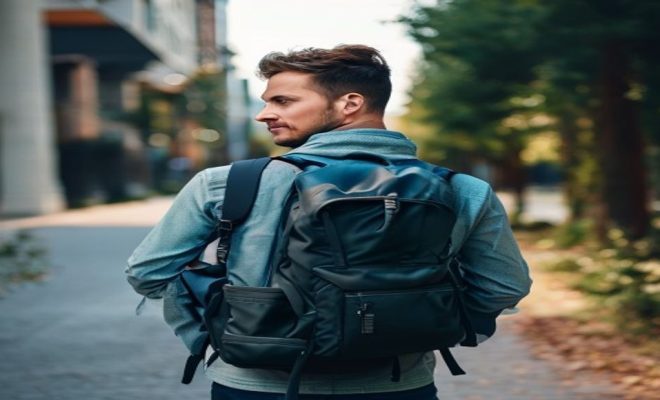
“`html
Carrying a backpack may seem straightforward, but doing it correctly can significantly impact your comfort and health. Whether you’re a student, a hiker, or just running errands, knowing how to carry a backpack properly can prevent discomfort and long-term physical issues. In this article, we’ll explore ten essential tips on how to carry a backpack correctly, emphasizing the importance of proper technique, ergonomics, and personal adjustments.
1. Choose the Right Backpack
Before diving into how to carry a backpack, it’s crucial to start with the right choice of backpack. The size, shape, and features of the backpack can greatly affect how it fits and feels when worn. For daily use, a backpack that weighs around a pound or two is ideal, while larger capacities are suitable for travel or hiking.
Look for backpacks with padded shoulder straps and a supportive back panel. These features are essential for distributing weight evenly across your shoulders and back. Load capacity is also important; a backpack should ideally weigh no more than 10-15% of your body weight to avoid strain.
2. Pack Your Backpack Smartly
Knowing how to pack your backpack can drastically affect how it feels when worn. Start by placing heavier items at the bottom and closest to your back, which helps maintain balance and stability. This packing method reduces the strain on your shoulders and helps with posture.
Use compartments wisely. Most backpacks have various pockets designed for specific items like water bottles, electronics, or snacks. Distributing weight evenly throughout the backpack will help you maintain your balance and reduce the risk of injury. Moreover, ensure that frequently accessed items are easy to reach without needing to rummage through the entire bag.
3. Adjust Straps for a Custom Fit
Once your backpack is packed, adjusting the straps is vital. The shoulder straps should be snug but not too tight, allowing for comfortable movement. If they’re too loose, the backpack can shift while walking, leading to discomfort and potential injury.
Don’t forget to adjust the hip belt if your backpack has one. The hip belt should rest on the top of your hips, allowing it to support a significant portion of the backpack’s weight. This adjustment helps alleviate pressure on your shoulders and back, allowing for easier movement and improved posture.
4. Use Both Shoulder Straps
It might be tempting to sling your backpack over one shoulder for convenience, but this habit can lead to muscular imbalances and discomfort. Always use both shoulder straps to distribute the weight evenly across your body. This practice not only promotes better posture but also helps prevent back and shoulder pain over time.
When you’re carrying a heavy load, utilizing both shoulder straps is critical for reducing fatigue. By doing so, you engage both sides of your body, allowing for a more balanced stance and reducing the risk of strain or injury.
5. Keep the Backpack Close to Your Body
How you carry a backpack matters as much as how it’s adjusted. Keeping the backpack close to your body reduces the leverage created by the weight of the bag, which can strain your back. Position the pack so it rests against your back without being overly tight.
To achieve this, stand tall and adjust the shoulder straps so that the bottom of the backpack aligns with your lower back. This position not only feels more comfortable but also contributes to better posture as you walk, reducing the risk of slouching or leaning forward.
6. Consider Your Posture
Your posture plays a fundamental role in how you carry a backpack. Maintaining a neutral spine and engaging your core muscles while walking can help distribute weight evenly and minimize discomfort. Avoid leaning forward or backward excessively, as this can lead to muscle strain. (See: Backpack safety and ergonomics.)
Another important aspect to consider is your head position. Keeping your head aligned with your spine and looking forward rather than down can help maintain balance and posture. Be mindful of your body’s alignment to ensure you’re not creating unnecessary strain while carrying your backpack.
7. Take Breaks When Needed
Even with the best techniques on how to carry a backpack, taking breaks is essential, especially during long periods of wear. If you start to feel discomfort, it’s vital to remove the backpack and give your shoulders and back a rest. This practice can prevent injuries and reduce fatigue.
When taking a break, find a comfortable place to set the backpack down. Stretch your shoulders, arms, and back to relieve any tension built up from carrying the weight. This not only helps to alleviate discomfort but can also improve your overall endurance when carrying the backpack again.
8. Stay Hydrated
Staying hydrated while carrying a backpack, especially during outdoor activities, is crucial for maintaining energy and focus. Dehydration can lead to fatigue, making it more difficult to carry your bag comfortably. Always carry a water bottle in your backpack or opt for hydration packs if you’re on a long trek.
Plan for breaks to hydrate as well. Taking a moment to drink water not only refreshes you but also allows you to adjust your backpack and ensure it’s still fitted correctly. This helps maintain both your physical comfort and mental sharpness.
9. Incorporate Strength Training
Building strength in your core and upper body can significantly enhance your ability to carry a backpack comfortably. Incorporate strength training exercises targeting muscles that support your back and shoulders. Exercises such as planks, rows, and shoulder presses can improve your strength and endurance.
Additionally, consider activities like yoga or Pilates, which focus on core strength and flexibility. These practices can enhance your overall posture, making it easier to carry a backpack correctly and reducing the risk of injury.
10. Know When to Seek Help
If you find yourself consistently experiencing discomfort or pain while carrying a backpack, it might be worth consulting with a healthcare professional. Persistent issues could be a sign of underlying problems related to posture, muscular imbalances, or even the backpack itself.
Don’t hesitate to seek advice from experts who can provide personalized recommendations. They may suggest modifications to your technique or even ergonomic assessments to ensure you’re carrying your backpack in the best way possible.
11. The Importance of Backpack Features
When choosing a backpack, consider the various features that can enhance your experience. Many modern backpacks come equipped with numerous features designed to improve comfort and functionality. Look for features such as:
- Ventilated Back Panels: These help reduce sweating and increase airflow, making your journey more comfortable, especially in warmer climates.
- Compression Straps: These help stabilize the load and can make smaller packs feel more secure on your back.
- Reflective Material: For safety, especially if you’re out during low-light conditions, reflective materials can help you stay visible to others.
- Water-Resistant Material: If you’re often outdoors, consider a water-resistant or waterproof backpack to protect your belongings from the elements.
Choosing a backpack that has the right features for your specific activities can make a significant difference in your carrying experience, ensuring it’s as comfortable and efficient as possible.
12. Adjusting for Different Activities
How to carry a backpack isn’t the same for every situation. Whether you’re hiking, commuting, or traveling, each activity may require different adjustments. For instance:
- Hiking: When hiking, make sure your backpack has a higher center of gravity. Adjust the straps tighter to minimize sway, and use the hip belt to distribute weight away from your shoulders and back. This will provide better balance on uneven terrain.
- Commuting: While commuting, you might be in and out of public transport or moving quickly through crowds. A more compact and lightweight design could be beneficial. Ensure that your bag has easy-access pockets for items like your phone or wallet.
- Traveling: For travel, consider using a backpack that opens like a suitcase. This design allows for easier packing and unpacking. Make sure to pack items like clothes and shoes in a way that balances weight evenly.
Adjusting how you wear your backpack based on the activity can enhance performance and comfort, ensuring you are well-equipped for whatever the day may bring. (See: Importance of proper physical activity.)
13. Statistics on Backpack Use
Understanding how common backpack use is can bring some perspective on its impact. According to the American Chiropractic Association, about 79% of school-aged children carry a backpack, with many exceeding the recommended weight limit. In adults, 60% report back pain linked to improper backpack usage. These statistics highlight the significance of choosing the right backpack and carrying it correctly.
Another study by the American Academy of Pediatrics found that nearly 14% of children have back pain due to carrying heavy backpacks. This pain often stems from poor posture and carrying excessive weight. It’s a reminder of the importance of educating users, especially children and students, about how to carry a backpack properly.
14. Expert Perspectives
Many health professionals emphasize the importance of teaching proper backpack usage in schools. Dr. Robert Gunzburg, a pediatric orthopedic surgeon, suggests that parents and teachers should enforce the use of both shoulder straps. He also recommends that backpacks be checked regularly for weight, especially as children grow. “If you notice your child is slouching or struggling with their pack, it’s time to reassess the weight and fit,” he says.
Similarly, physical therapists often recommend incorporating break time into school routines. “Just as we take breaks from screens, we should take breaks from carrying heavy loads. This practice is vital for maintaining good posture and preventing injuries,” adds Dr. Sarah Johnson, a physical therapist who specializes in pediatric care.
15. Frequently Asked Questions
Here are some common questions people ask about how to carry a backpack:
What is the recommended weight for a backpack?
A backpack should ideally weigh no more than 10-15% of your body weight. This helps ensure that you’re not straining your back or shoulders.
How can I tell if my backpack is too heavy?
If you experience pain in your shoulders, back, or neck, or if you find it difficult to maintain proper posture while wearing it, your backpack is likely too heavy.
Is it better to wear a backpack high or low on my back?
A backpack should sit about two inches above your waist for optimal support and comfort. Wearing it too low can lead to strain and discomfort.
Can I carry a backpack with one strap for short distances?
While it may be convenient for short distances, using one strap can cause muscle imbalances over time. It’s best to use both straps whenever possible for better weight distribution.
How often should I clean my backpack?
Cleaning your backpack regularly is essential, especially if you use it for outdoor activities. Aim to clean it every few weeks or as needed, depending on usage. Most bags can be wiped down with a damp cloth, and fabric backpacks can often be machine washed.
16. Long-Term Health Considerations
Caring for your body while carrying a backpack is essential not just for immediate comfort, but for long-term health as well. Poor backpack habits can lead to cumulative injuries over time, including chronic back pain, shoulder issues, and even neck strain. Studies indicate that about 20-30% of adults and children experience chronic pain linked to improper backpack use. Regularly assessing how you wear and pack your backpack can help mitigate these risks.
Incorporating regular check-ins about how your body feels can help you adjust your habits before they lead to injury. For instance, if you notice consistent shoulder pain after wearing your backpack, it may be time to revisit your packing technique or consider a different style of backpack altogether.
17. Child-Specific Guidelines
When it comes to children and backpack usage, there are specific guidelines that can help ensure their safety and health. Children should be taught how to pack their backpacks efficiently, emphasizing the importance of not exceeding the recommended weight limit. Educators can play a crucial role by providing information on how to select the right backpack, what to pack, and how to carry it correctly.
Encouraging children to choose backpacks with ergonomic designs can significantly reduce the risk of injury. Features such as adjustable straps, padded backs, and lightweight materials can make a significant difference in their daily experience. Schools should also promote lighter school supplies and encourage families to reevaluate what is necessary for daily use.
18. Seasonal Adjustments
As the seasons change, so do the items you might need to carry in your backpack. For instance, during winter months, you might need to carry extra layers of clothing or even winter gear. Adjusting your packing strategy accordingly can help maintain a manageable weight. In summer, you might prioritize lightweight materials and hydration solutions.
In addition, consider the impact of weather on your backpack choice. Waterproof bags can be beneficial during rainy seasons, while insulated backpacks might be ideal for carrying cold drinks or snacks during hotter months. Being mindful of these seasonal changes can enhance your overall carrying experience.
19. Environmentally-Friendly Backpacks
As sustainability becomes increasingly important, choosing environmentally-friendly backpacks may be a priority for many. Look for brands that utilize recycled materials, ethical manufacturing processes, and sustainable practices. Not only does this support a healthier planet, but many eco-friendly backpacks are designed with comfort and functionality in mind, making them great choices for carrying your essentials.
Additionally, you can contribute to sustainability by maintaining your backpack properly. Regular cleaning, repairing small damages, and opting for high-quality materials can prolong the life of your backpack, reducing the need for replacements and waste.
Understanding how to carry a backpack correctly goes beyond just picking it up and putting it on your back. By following these ten essential tips, you can ensure a more comfortable and healthier experience, whether you’re heading to class, tackling a hike, or just running errands. Invest the time to adjust your approach, and your body will thank you in the long run.
“`
Trending Now
Frequently Asked Questions
What is the correct way to wear a backpack?
To wear a backpack correctly, adjust the shoulder straps so they fit snugly but comfortably. The backpack should rest evenly on your back, with the weight distributed across both shoulders. Make sure the bottom of the pack sits at your lower back, and use the hip belt if available to help distribute weight.
How heavy should a backpack be for daily use?
For daily use, your backpack should ideally weigh no more than 10-15% of your body weight. This helps prevent strain and ensures comfort throughout the day. Choose a lightweight backpack, ideally around one or two pounds, to maintain ease of carrying.
How do you pack a backpack properly?
Pack your backpack by placing heavier items at the bottom and closest to your back. This maintains balance and stability, reducing strain on your shoulders. Use compartments effectively to distribute weight evenly and keep frequently accessed items easily reachable.
What features should I look for in a backpack?
When choosing a backpack, look for padded shoulder straps and a supportive back panel to ensure even weight distribution. Consider the size and capacity based on your needs, and ensure it fits comfortably without being too heavy for your body type.
What are the benefits of carrying a backpack correctly?
Carrying a backpack correctly significantly improves comfort and can prevent long-term physical issues such as back pain. Proper technique promotes good posture, reduces strain on your shoulders and back, and helps you carry your belongings more efficiently.
What's your take on this? Share your thoughts in the comments below — we read every one.