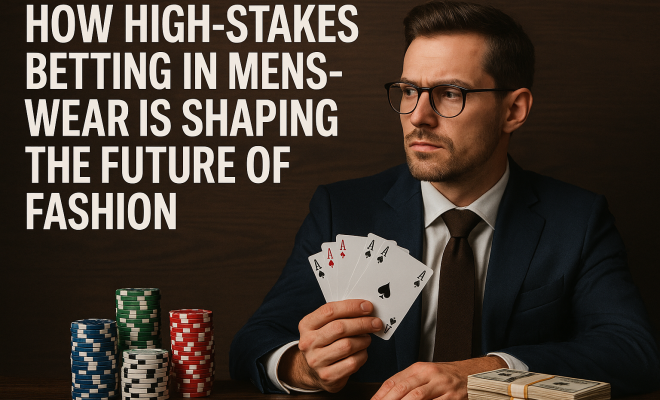
How High-Stakes Betting in Menswear Is Shaping the Future of Fashion
“`html
The menswear industry is currently witnessing a seismic shift as brands and retailers prepare for a wave of new shows and strategies aimed at redefining the market. As luxury houses make aggressive moves, the pressure to not only grow but also maintain relevance has never been greater. This high-profile environment is not just about business; it’s a captivating blend of fashion, celebrity influence, and industry drama. In this article, we’ll unpack the current menswear trends and explore how these developments are set to impact the future of fashion.
The Rising Stakes in Menswear
The luxury menswear market is entering an exhilarating phase characterized by high-stakes bets. These bets are not merely about financial investment; they encompass creative direction, brand identity, and consumer engagement strategies. As noted in a recent briefing from the Business of Fashion, major brands are restructuring to enhance their appeal and relevance. The stakes couldn’t be higher, especially as we approach the key fashion shows that traditionally shape trends for the seasons ahead.
Luxury brands like Gucci and Prada are at the forefront, making bold decisions about their collections that reflect modern consumer demands. The shift towards more casual and versatile menswear lines signifies a broader change in how men perceive fashion. What was once confined to formal wear and tailored suits is now encompassing a diverse range of styles that are both accessible and expressive.
The Role of Celebrity Influence
In the realm of menswear, celebrity influence cannot be overstated. Brands have increasingly turned to high-profile figures to create buzz and drive engagement. This trend isn’t just about having celebrities wear the clothes; it’s about aligning the brand with personalities that resonate with the target audience. For instance, the collaboration between Harry Styles and Gucci has set a new precedent for how menswear can be showcased through the lens of pop culture.
This synergy between celebrity and fashion not only garners attention but also helps shape the narrative around menswear trends. When a beloved figure endorses a particular look, it can become an instant hit. The recent rise of oversized silhouettes and gender-fluid designs in menswear can be traced back to celebrities who confidently adopt these styles, thereby encouraging fans to embrace similar fashion choices.
The Shift Toward Inclusivity
Inclusivity is another critical element affecting menswear trends today. As societal norms evolve, brands are recognizing the importance of appealing to a broader audience. This means embracing diverse body types, gender expressions, and aesthetics. The fashion world is gradually shedding its rigid definitions of masculinity, allowing for a more nuanced understanding of what menswear can look like.
Brands like ASOS and Uniqlo are leading the charge, offering a wide range of sizes and styles that cater to various consumers. This shift is not just a moral imperative; it’s a savvy business move. By addressing the needs of underrepresented groups, brands can tap into new markets and foster a loyal customer base.
The Impact of Digital Transformation
The digital transformation of retail has revolutionized how consumers interact with menswear brands. E-commerce platforms are no longer just a sales channel; they’ve become spaces for storytelling and community engagement. With the rise of social media, brands are able to reach their audiences directly, fostering a sense of connection that goes beyond traditional advertising. (See: New York Times Fashion section.)
This direct line to consumers has allowed brands to test new menswear trends in real-time. Feedback from social media can lead to swift adjustments in collection designs, enabling brands to stay ahead of the curve. Additionally, the integration of augmented reality (AR) and virtual reality (VR) into shopping experiences is changing how customers try on and experience menswear, making it more interactive and personalized.
Upcoming Fashion Shows: A Platform for Innovation
The upcoming fashion shows are set to be a battleground for brands vying for consumer attention and market share. These events are not merely showcases of the latest collections; they serve as a critical indicator of where menswear trends are heading. Designers are under immense pressure to push boundaries and present fresh ideas that resonate with an increasingly discerning audience.
For instance, the Paris Fashion Week has traditionally been an important destination for menswear. This year, there’s a buzz around the possibility of sustainable collections taking center stage. As consumers become more eco-conscious, brands will need to showcase their commitment to sustainability in their upcoming designs, balancing creativity with corporate responsibility.
The Pressure to Adapt and Innovate
The increasing competition in the menswear market means that brands must continuously innovate to remain relevant. Traditional labels are facing challenges from emerging brands that are agile and unbound by legacy practices. Startups and smaller brands are often quicker to respond to consumer trends, which puts pressure on established names to adapt or risk being left behind.
Innovation isn’t limited to product design; it extends to marketing and distribution strategies as well. Collaborative projects, limited-edition collections, and influencer partnerships are strategies that brands are utilizing to create urgency and excitement around their offerings. The goal is to capture the fleeting attention of consumers, which is more challenging than ever in today’s fast-paced digital environment.
The Influence of Street Style
Street style continues to wield considerable power over menswear trends. Fashion enthusiasts and influencers are taking to social media to showcase their unique styles, often mixing luxury pieces with thrift store finds. This democratization of fashion has shifted the focus from high fashion runways to everyday wear, emphasizing personal expression over conventional trends.
As a result, luxury brands are also incorporating elements of street style into their collections. The fusion of high fashion and streetwear has led to the emergence of new trends, such as relaxed tailoring and bold graphic prints. These styles appeal to younger consumers who prioritize comfort and versatility while maintaining a sense of individuality.
The Intersection of Fashion and Technology
Technology is playing an increasingly crucial role in shaping menswear trends. From AI-driven analytics that predict consumer behavior to the use of blockchain for supply chain transparency, tech is transforming the fashion landscape. Brands that leverage these technologies can gain a competitive edge by enhancing customer experiences and streamlining operations.
One notable application is the rise of smart clothing, where technology is seamlessly integrated into garments. For instance, clothing that can monitor biometric data or adapt to environmental conditions is becoming more prevalent. Such innovations not only appeal to tech-savvy consumers but also redefine the boundaries of what menswear can be.
The Current Popular Styles in Menswear
As menswear evolves, certain styles are coming to the forefront as must-have trends for the modern man. Let’s look at some current popular styles that are shaping the industry: (See: BBC Fashion news.)
- Relaxed Fits: Comfort has become paramount, with relaxed fits dominating the scene. Whether it’s baggy jeans or oversized blazers, the focus is shifting away from restrictive clothing.
- Tailored Streetwear: A fusion of street style and tailored pieces is emerging, allowing men to express their individuality while still looking polished.
- Bold Patterns and Colors: Men are increasingly experimenting with bright colors and daring patterns, moving away from traditional neutrals.
- Vintage Revival: Nostalgic pieces from the ’90s and early 2000s are making a comeback, with brands reinterpreting these styles for a modern audience.
Consumer Behavior: What’s Driving Trends?
Understanding consumer behavior is essential for brands looking to stay ahead in the menswear market. Current trends indicate that consumers are becoming more conscious of the environmental impact of their purchases. As sustainability climbs the list of priorities, brands that offer eco-friendly options are seeing a surge in popularity. According to a recent survey by McKinsey, 67% of consumers stated that they consider the environmental impact of their clothing choices.
Additionally, the rise of the “buy less, choose well” mentality is forcing brands to rethink their product offerings. Consumers are more inclined to invest in quality pieces that will last, rather than fast fashion items that may quickly go out of style. This shift is evident in the growing popularity of brands that emphasize craftsmanship, durability, and timeless design.
Brands Pioneering Change in Menswear
Several brands are at the forefront of redefining menswear trends, using innovative approaches to appeal to modern consumers. Brands like A.P.C., known for its minimalist aesthetic, have gained a loyal following by prioritizing quality and timelessness over fleeting trends. Similarly, brands like Fear of God are breaking the mold by crafting high-end streetwear that resonates with the younger generation.
This movement towards thoughtful design is not just about aesthetics; it’s also about creating a narrative. Brands that can tell a compelling story about their values, sustainability practices, and design processes are winning over consumers in a crowded market. For instance, Reformation, which focuses on sustainable practices, has become a favorite among eco-conscious consumers, showcasing that style and ethics can coexist.
The Future of Menswear Trends: What Lies Ahead?
As we look ahead, several key factors will continue to shape the menswear landscape. First, the emphasis on sustainability will only grow stronger. Brands that invest in sustainable materials and ethical production practices are likely to attract a more conscious consumer base. A report from the Global Fashion Agenda indicates that the fashion industry must reduce its greenhouse gas emissions by 45% by 2030 to remain within the Paris Agreement’s climate targets, pushing brands to innovate in their practices.
Second, the fusion of technology and fashion will deepen. Expect to see more smart textiles that can react to environmental changes or help regulate body temperature. Additionally, 3D printing may revolutionize how clothing is made, allowing for customized fits and reducing waste associated with traditional manufacturing processes.
Lastly, the menswear market will likely continue to expand its boundaries. The definitions of masculinity and style are evolving, and brands must adapt to this shift by creating more inclusive collections that cater to diverse identities and expressions. As we embrace this broader perspective, menswear can become a platform for creativity, individuality, and social change.
FAQs About Menswear Trends
What are the most important menswear trends right now?
Currently, some of the most important trends include relaxed fits, tailored streetwear, the use of bold colors and patterns, and a focus on sustainability. Vintage looks are also gaining traction as consumers seek unique pieces with character.
How can I incorporate current menswear trends into my wardrobe?
To incorporate current trends, start by investing in versatile pieces that can be mixed and matched. Consider adding oversized blazers or tailored streetwear items to your wardrobe. Don’t shy away from experimenting with colors and patterns that reflect your personal style. Thrift stores can also be a treasure trove for vintage finds.
Are sustainable brands more expensive?
While some sustainable brands may have a higher price point due to ethical sourcing and production practices, many affordable options are emerging. It’s possible to find eco-friendly clothing that fits various budgets, especially as sustainability becomes more mainstream.
Why should I pay attention to menswear trends?
Menswear trends reflect broader cultural shifts and can influence your personal style, helping you feel more confident and stylish. Staying informed about trends can also ensure that your wardrobe stays fresh and relevant, allowing you to express your personality through your clothing choices.
How do I find my personal style in menswear?
Finding your personal style involves experimenting with different looks and identifying what makes you feel comfortable and confident. Consider taking inspiration from current trends but always tailor them to your unique preferences. Look for pieces that resonate with you and make you feel good, whether that’s through color, fit, or texture.
Conclusion: The Future of Menswear Trends
The menswear landscape is at a pivotal moment, with high-profile bets signaling a shift toward a more inclusive, innovative, and tech-savvy industry. As brands navigate the complexities of consumer expectations and market dynamics, the strategies they employ will ultimately determine their success in this evolving environment. With the upcoming fashion shows serving as a critical platform for showcasing these changes, all eyes will be on how these trends develop and influence the future of fashion. It’s an exciting time to be involved in menswear, and the next chapter promises to be as dynamic as the styles it contains.
“`
Trending Now
Frequently Asked Questions
How is high-stakes betting affecting menswear fashion?
High-stakes betting in menswear is driving brands to make bold decisions regarding creative direction and consumer engagement. Luxury houses are restructuring to enhance their appeal, leading to a shift towards more casual and versatile styles that reflect modern consumer demands.
What trends are currently shaping menswear?
Current trends in menswear include a move towards casual and versatile clothing, reflecting a broader change in men's fashion perceptions. Luxury brands like Gucci and Prada are leading this shift by offering collections that are both accessible and expressive.
What role do celebrities play in menswear marketing?
Celebrities play a crucial role in menswear marketing by creating buzz and driving engagement. Brands collaborate with high-profile figures to align their identity with personalities that resonate with their target audience, transforming how menswear is showcased.
How are luxury brands adapting to the changing menswear market?
Luxury brands are adapting to the changing menswear market by restructuring their strategies to appeal to modern consumers. This includes embracing more casual styles and enhancing brand identity to maintain relevance in a competitive landscape.
What impact do fashion shows have on menswear trends?
Fashion shows significantly impact menswear trends by serving as key platforms for brands to showcase their latest collections. As the stakes rise, these events become crucial for setting the tone for upcoming seasons and influencing consumer preferences.
What did we miss? Let us know in the comments and join the conversation.