How DIY Beauty Is Revolutionizing Consumer Routines and What It Means for Marketers
“`html
Introduction: The Shift in Beauty Trends
The beauty industry is a dynamic field that reflects societal changes, consumer preferences, and innovative marketing strategies. Recent insights from Vogue Business highlight a notable evolution in beauty trends between June 2025 and May 2026. This period marks a significant pivot towards DIY beauty, convenience, and maintenance-focused routines across makeup, skincare, and nails. This evolution isn’t just a fleeting trend; it’s a response to changing consumer behavior in an ever-competitive market. Understanding this shift is vital for marketers, creators, and retailers alike, as it informs product positioning and engagement strategies.
The Rise of DIY Beauty
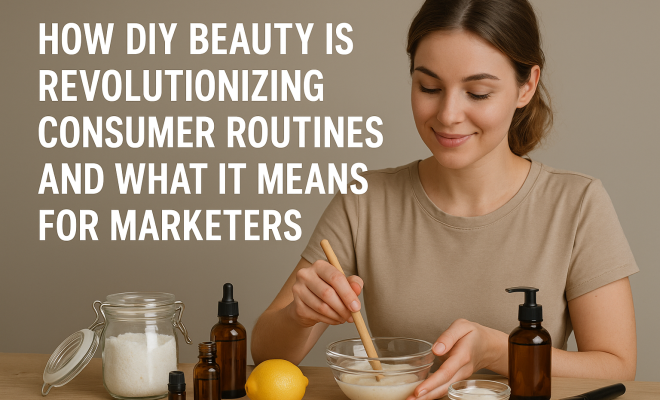
DIY beauty isn’t merely a trend; it’s a lifestyle change. The rise of social media platforms has empowered consumers to take control of their beauty routines. With a plethora of tutorials available at their fingertips, consumers are increasingly seeking ways to replicate salon-quality results at home. This shift is indicative of a broader desire for personalization and self-sufficiency.
As reported by Vogue Business, the inclination to embrace DIY methods has led to a surge in the popularity of home beauty kits. Whether it’s at-home facials, manicures, or hair treatments, consumers are investing in products that facilitate self-care without the need for professional assistance. Such products not only cater to the growing demand for convenience but also resonate with consumers who prefer a more hands-on approach to their beauty regimens.
Furthermore, the concept of DIY beauty extends beyond just using products; it encompasses a philosophy of self-expression. DIY enthusiasts often mix and match products to create personalized formulations tailored to their unique skin types and preferences. For instance, individuals may blend essential oils with their moisturizer to achieve specific skin benefits or even customize hair masks with natural ingredients found in their kitchens. This personalization aspect enhances the overall user experience, making beauty routines feel more intimate and fulfilling.
Statistics show that the DIY beauty market is projected to grow significantly, with a compound annual growth rate (CAGR) of around 8% over the next five years. This growth can be attributed to the increasing demand for unique, customized beauty solutions that resonate with individual consumers. Brands that tap into this trend by providing modular products that encourage experimentation and flexibility will likely capture a significant share of this expanding market.
Convenience as a Key Factor
In today’s fast-paced world, convenience is king. The Vogue Business report suggests that beauty consumers are gravitating towards routines that require minimal time and effort. With busy schedules dominating lives, consumers are less inclined to invest hours in lengthy beauty regimens. Instead, they’re seeking multifunctional products that deliver results quickly.
Brands are responding to this demand by developing products that streamline beauty routines. For instance, the rise of 2-in-1 or even 3-in-1 products—think tinted moisturizers that offer hydration, sun protection, and coverage—reflects a trend toward efficiency in beauty regimes. This not only appeals to consumers looking to simplify their routines but also taps into the growing market of minimalism in beauty.
Moreover, the convenience trend has spurred the rise of subscription services that deliver beauty products directly to consumers’ doors. Services like Ipsy and Birchbox allow users to customize their beauty boxes based on preferences, thus removing the hassle of shopping and discovering new products. This shift towards personalized subscription services not only caters to consumer convenience but also fosters a sense of excitement and discovery, keeping subscribers engaged month after month.
According to recent surveys, about 40% of consumers prefer purchasing products that offer multiple uses, confirming that brands investing in these multifunctional options are likely to see increased sales. This data emphasizes the critical role that convenience plays in driving purchasing decisions, prompting brands to innovate and rethink traditional product offerings.
Maintenance-Focused Routines
Alongside the trends of DIY beauty and convenience, there’s a clear movement towards maintenance-focused routines. With the global pandemic leaving an indelible mark on consumer behavior, many individuals have shifted their priorities towards sustainability and self-care. The emphasis on nurturing one’s skin rather than merely covering it up indicates a deeper understanding of beauty that prioritizes health and well-being.
This maintenance-first approach encourages consumers to invest in high-quality products that nourish and repair their skin, rather than focusing solely on aesthetics. Brands that champion transparency in ingredients and the efficacy of their formulations are likely to capture the attention of discerning consumers. For example, skincare lines that openly communicate the benefits of their ingredients and how they contribute to skin health are gaining traction in a market that is increasingly skeptical of misleading marketing claims.
Moreover, the focus on maintenance has led to an increased interest in clean beauty products. Clean beauty emphasizes the use of non-toxic, environmentally-friendly ingredients, appealing to health-conscious consumers. A recent study revealed that nearly 70% of consumers actively seek out clean beauty products, underscoring the importance of transparency and ethical sourcing in today’s beauty market. (See: DIY beauty and consumer behavior.)
In response, brands are developing products that not only perform well but also align with consumer values regarding health and sustainability. Creating a narrative around self-care and maintenance can significantly enhance a brand’s appeal, establishing a deeper emotional connection with consumers who prioritize their well-being.
The Implications for Marketers and Brands
Understanding and adapting to these emerging beauty trends is crucial for marketers. As consumers increasingly prioritize DIY solutions, convenience, and maintenance-focused routines, brands must tailor their offerings and messaging accordingly. For instance, content creation around the DIY beauty trend can boost engagement on social media platforms.
Influencer partnerships that showcase easy-to-follow tutorials or product demonstrations can effectively reach target audiences. Additionally, brands that facilitate user-generated content—encouraging consumers to share their DIY beauty experiences—can enhance the sense of community and authenticity. This participatory approach not only drives brand loyalty but also creates a more relatable image for consumers.
Brands can also leverage data analytics to track consumer behavior and preferences, allowing for more targeted marketing campaigns. Understanding customer feedback and engagement metrics can guide product development and promotional strategies, ensuring that offerings align with consumer expectations.
Another strategic initiative can be the creation of loyalty programs that reward consumers for their engagement with DIY beauty or maintenance-focused products. This not only incentivizes purchases but also fosters long-term brand loyalty as consumers feel appreciated and valued for their choices.
Building a Digital Community
In the age of social media, building a digital community around a brand is more important than ever. The beauty trend tracking highlighted by Vogue Business suggests that sharing user experiences and promoting community engagement can enhance brand visibility and trust.
Brands that actively engage with their audience on platforms like Instagram and TikTok can amplify their reach. For example, hosting live Q&A sessions, beauty challenges, or interactive polls can foster an authentic connection with consumers. Such initiatives create a space for consumers to share their beauty journeys, further entrenching the DIY ethos and reinforcing brand loyalty.
Creating community-driven content is another effective strategy. Brands can encourage customers to participate in challenges that showcase their DIY beauty skills, rewarding the most creative entries with discounts or product giveaways. This not only promotes active engagement but also generates valuable user-generated content that can be repurposed for marketing efforts, showcasing real customers and their authentic experiences.
Moreover, utilizing platforms like Discord or Facebook Groups to create dedicated community spaces can further enhance consumer connections to the brand. These spaces allow for deeper conversations, tips sharing, and peer support, all of which can enrich the customer experience and foster a loyal community.
The Role of Retail Strategy
With the trends toward DIY beauty and maintenance-focused routines, retail strategies must evolve to meet changing consumer expectations. Traditional retail environments may need to adapt to highlight convenience. This could mean creating dedicated sections for DIY beauty products or offering workshops that teach consumers how to use various products effectively.
Moreover, as more consumers turn to e-commerce for their beauty needs, brands must optimize their online presence. This includes providing detailed product descriptions, ingredient transparency, and easy navigation on websites. A seamless online shopping experience can significantly influence purchasing decisions, particularly for consumers drawn to maintenance-focused routines.
Brands can also introduce augmented reality (AR) technology within their online shopping platforms, allowing customers to virtually try on products before purchasing. This not only enhances the shopping experience but also reduces return rates, as consumers can make more informed decisions based on their preferences and skin tones.
Additionally, enhancing customer service through live chat features or personalized skincare consultations can further elevate the online shopping experience. Providing guidance and expert advice can instill confidence in consumers, encouraging them to invest in products that best suit their individual needs.
Embracing Sustainability
In addition to convenience and maintenance, sustainability is becoming an integral part of beauty trend tracking. Consumers are not only concerned about the effectiveness of products but also their environmental impact. This growing awareness is prompting brands to rethink their packaging, sourcing, and production processes. (See: safety in DIY beauty products.)
Brands that adopt sustainable practices and transparency in their operations can cultivate a loyal customer base. Consumers are increasingly willing to pay a premium for products that align with their ethical values. Marketing strategies should highlight these efforts, showcasing sustainability initiatives through campaigns that resonate with environmentally-conscious audiences.
Furthermore, brands can engage in collaborations with eco-friendly organizations or initiatives, enhancing their commitment to sustainability while reaching broader audiences. Showcasing these partnerships in marketing efforts can strengthen brand credibility and attract like-minded consumers.
Statistics indicate that 55% of consumers are more likely to purchase from brands that are committed to sustainability. This suggests that brands investing in eco-friendly practices not only contribute positively to the environment but also position themselves favorably in the eyes of the modern consumer.
Integrating Technology in Beauty
The integration of technology in beauty routines is another aspect that can’t be overlooked. As consumers embrace DIY beauty, technology offers innovative solutions that enhance self-managed routines. From augmented reality apps that allow users to virtually try on makeup to personalized skincare consultations based on AI, the intersection of technology and beauty is expanding.
Brands that harness technology to enhance the consumer experience can differentiate themselves in a crowded market. For instance, offering virtual consultations or digital tutorials can provide added value and convenience to consumers, further solidifying their loyalty. Some brands have even developed AI-driven apps that analyze skin conditions and recommend tailored skincare routines, making the shopping experience more personalized than ever.
Additionally, technology can play a pivotal role in customer feedback collection. Utilizing chatbots or survey tools can help brands gather insights into consumer preferences and pain points, allowing for continuous improvement of products and services. This ongoing dialogue not only enhances the customer experience but also fosters a sense of belonging and investment in the brand.
Social media platforms are also enabling brands to engage with consumers in real-time, allowing for immediate feedback on new product launches and trends. This agility in responding to customer needs can significantly enhance brand loyalty and consumer trust, making technology a powerful ally in beauty trend tracking.
Exploring Global Beauty Trends
Beauty trend tracking is not only limited to local or national markets; it also extends to global trends that can influence consumer preferences. Different cultures often have unique beauty standards and rituals that can shape international beauty trends. For example, Korean beauty (K-beauty) has made significant waves globally, introducing concepts like the 10-step skincare routine and innovative products such as cushion compacts and sheet masks.
Similarly, the rise of Japanese beauty (J-beauty) emphasizes simplicity and quality, focusing on the effectiveness of ingredients and minimalism in routines. Understanding these global influences can provide brands with a broader perspective on emerging trends and help them develop products that resonate with diverse consumer bases.
Statistics from market research indicate that the global beauty market is expected to reach $750 billion by 2024, with Asia-Pacific regions contributing a significant share. Brands that successfully tap into these international markets and adapt their offerings to meet local preferences will find ample opportunities for growth.
To effectively reach global audiences, brands can also consider collaborating with local influencers or beauty experts who can provide authentic insights into regional trends. This local expertise can guide product development, marketing strategies, and even packaging to better align with consumer expectations in different markets.
FAQ: Beauty Trend Tracking
What is beauty trend tracking?
Beauty trend tracking involves monitoring and analyzing shifts in consumer preferences, emerging styles, and product innovations within the beauty industry. This helps marketers and brands anticipate market changes and adapt their strategies accordingly.
Why is understanding beauty trends important for brands?
Understanding beauty trends allows brands to align their products and marketing strategies with consumer desires. It helps them innovate, engage effectively with their audience, and ultimately drive sales in a competitive market.
How do social media platforms influence beauty trends?
Social media platforms serve as a primary source of inspiration and information for beauty consumers. Influencers and user-generated content shape perceptions and drive trends, making social media an essential tool for brands looking to stay relevant in the beauty industry.
What role does sustainability play in beauty trends?
Sustainability has become a significant factor in beauty trends, with consumers increasingly seeking products that are eco-friendly and ethically sourced. Brands that prioritize sustainability in their practices are often rewarded with customer loyalty and positive brand perception.
How can brands effectively engage with their audience regarding beauty trends?
Brands can engage with their audience by creating interactive content, hosting live events, and encouraging user-generated content. Collaborating with influencers and utilizing social media platforms are also effective strategies to foster community engagement and keep consumers informed about the latest trends.
What is the impact of technology on beauty trends?
Technology enhances the beauty experience by introducing innovations such as virtual try-ons, personalized consultations, and AI-driven product recommendations. It allows brands to offer tailored experiences, increasing consumer satisfaction and loyalty.
How are global trends reshaping the beauty industry?
Global beauty trends introduce new ideas, products, and methods that can influence local markets. Understanding and integrating these trends allows brands to appeal to a broader audience and stay competitive in an increasingly interconnected marketplace.
Conclusion: The New Era of Beauty
The beauty industry is undergoing a transformative shift, with consumers moving towards DIY strategies, convenience-focused routines, and maintenance-centered products. This evolution, as highlighted by Vogue Business, underscores the importance of beauty trend tracking. Marketers and brands that can adapt to these changes will be well-positioned to resonate with today’s consumers.
Ultimately, the future of beauty lies in understanding consumer needs and expectations. By fostering a sense of community, promoting sustainability, and embracing technology, brands can thrive in this new era of beauty. As the landscape continues to evolve, those who pay attention to beauty trend tracking will be the ones leading the charge into a more consumer-centric market.
“`
Trending Now
Frequently Asked Questions
What is the DIY beauty trend?
The DIY beauty trend refers to the growing movement where consumers create their own beauty routines at home, utilizing tutorials and home beauty kits for makeup, skincare, and nails. This shift reflects a desire for personalization, convenience, and self-sufficiency, allowing individuals to achieve salon-quality results without professional assistance.
How has social media influenced DIY beauty?
Social media has played a crucial role in the rise of DIY beauty by providing platforms for tutorials and sharing experiences. Consumers are empowered to explore and replicate beauty techniques at home, leading to increased interest in personalized and self-sufficient beauty routines.
What products are popular in DIY beauty?
Popular products in DIY beauty include home beauty kits for facials, manicures, and hair treatments. These products cater to the demand for convenience and allow consumers to engage in self-care without the need for professional services, promoting a hands-on approach to beauty routines.
Why are consumers shifting towards DIY beauty?
Consumers are shifting towards DIY beauty due to a desire for personalization, convenience, and self-expression. The ability to mix and match products to create tailored solutions for individual needs has become appealing, reflecting broader changes in consumer behavior and preferences in the beauty industry.
What does the rise of DIY beauty mean for marketers?
The rise of DIY beauty signifies a need for marketers to adapt their strategies, focusing on product positioning that emphasizes convenience, personalization, and self-sufficiency. Understanding this trend is crucial for engaging consumers effectively in a competitive market that prioritizes hands-on beauty experiences.
Have you experienced this yourself? We’d love to hear your story in the comments.